Trending
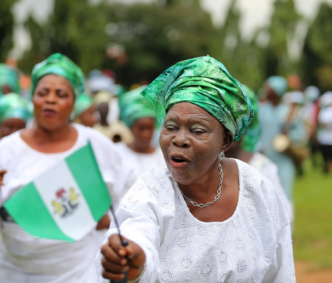
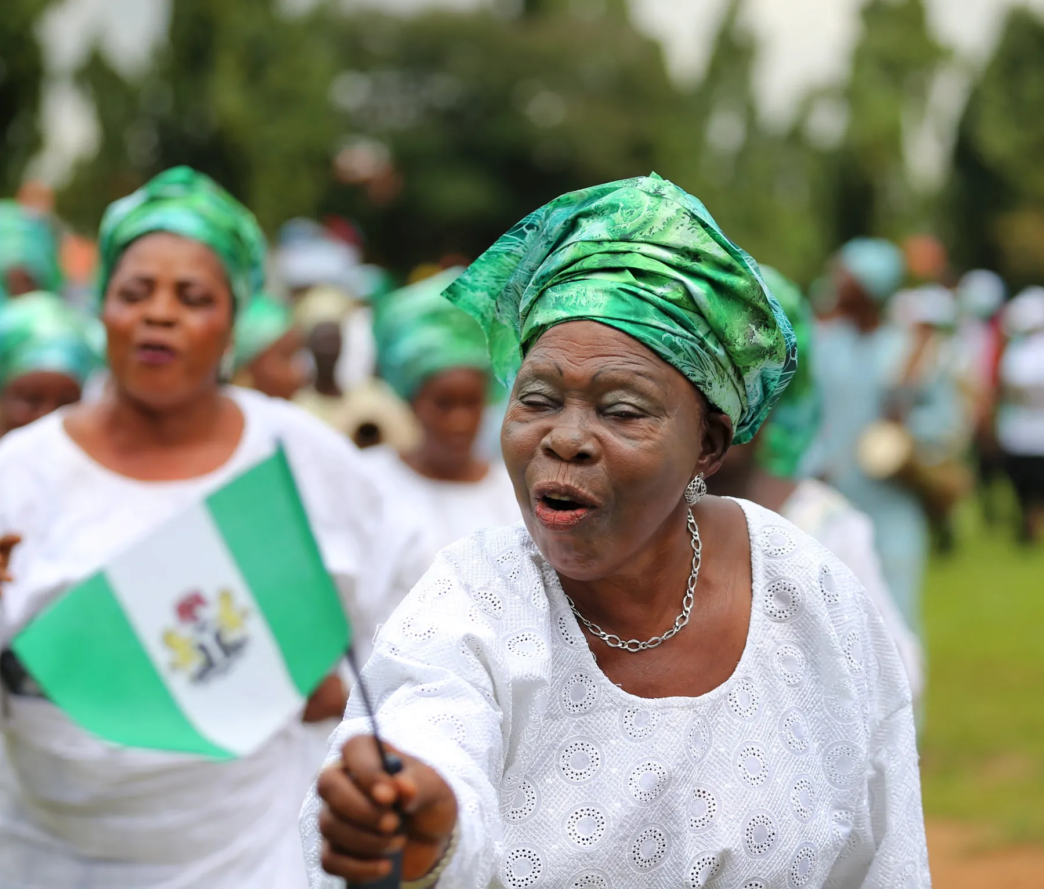
On October 1, 1960, Nigeria became independent. But independence did not produce the Nigeria we know today. That country had not yet been invented.
The Nigeria of 1960 had three regions, a young parliamentary democracy and an economy whose productive confidence rested largely on agriculture. Cocoa travelled out of the West. Groundnuts moved from the North. Palm produce defined much of the East. Railways stitched together trading routes. The country was poor, but it was not yet the country of oil, military coups, GSM, fintech, Japa or artificial intelligence.
Nigeria, as we know it, was assembled afterwards.
Some of it was planned. Much of it was accidental. Some of it was imposed by crisis.
The first great rupture came in 1966.
A coup, a counter-coup and the violence that followed broke the young republic’s political architecture. The civil war followed. The country emerged formally united in 1970, but it was no longer quite the country that had entered independence a decade earlier. Military rule had become a governing possibility. Centralisation had deepened. The relationship between the state and its constituent peoples had changed.

Then came oil.
In the 1970s, petroleum transformed not only Nigeria’s economy but its imagination of government. Money that once had to be earned through production could increasingly be obtained from beneath the ground and distributed from the centre. The country built roads, bridges, universities and grand projects. Cities expanded. A new political economy took shape.
But oil also altered an older Nigerian instinct: the idea that regions could build prosperity from what they produced.
By the 1980s, the bill arrived.
Oil prices fell. Debt mounted. The economy contracted. Structural adjustment followed. The naira was devalued. Industries struggled. Nigerians learnt new words for old anxieties: austerity, retrenchment, scarcity.
Yet something else was happening beneath the statistics. Nigerians were learning how to survive a state that could not always provide.
They traded. They improvised. They migrated. They built informal economies. They sent children abroad. They found ways around broken systems.
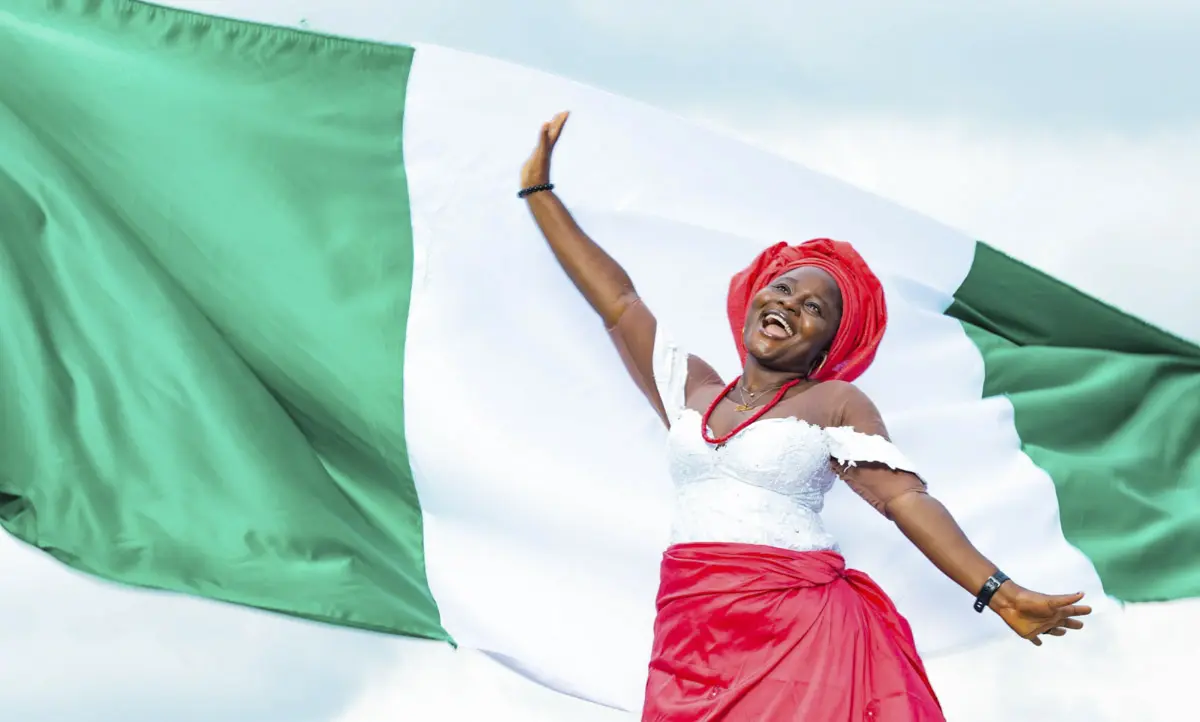
Then, in 1999, democracy returned.
It did not return Nigeria to 1960. There was no going back. The military had altered the federation, expanded the states and concentrated power at the centre. Democracy inherited all of that.
But it also reopened political space.
And then came a small device that would change the country perhaps more quietly than any constitution: the mobile phone.
The arrival of GSM in the 2000s did more than make Nigerians reachable. It changed commerce, relationships, banking, journalism and eventually politics. A person who had once waited for a landline could now run a business from a market stall with a phone in his pocket.
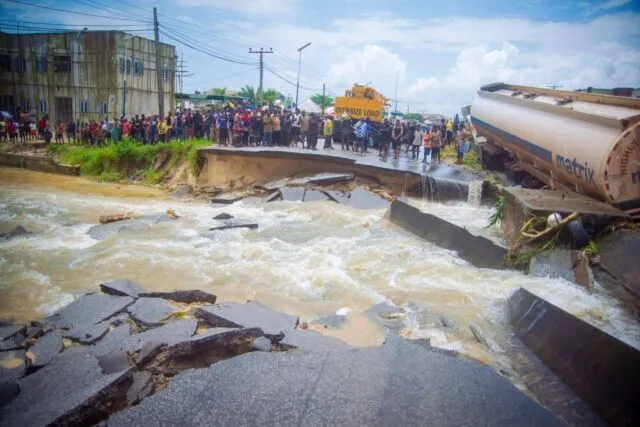
The country was becoming digitally connected before its physical infrastructure had caught up.
Then came the 2010s, and the phone became something else: a political instrument.
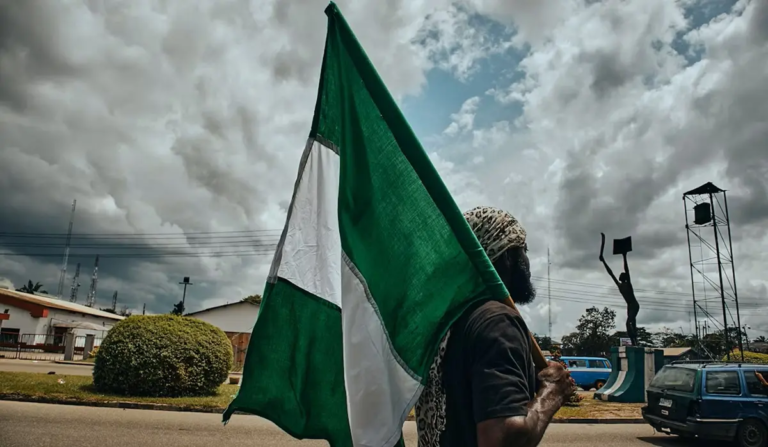
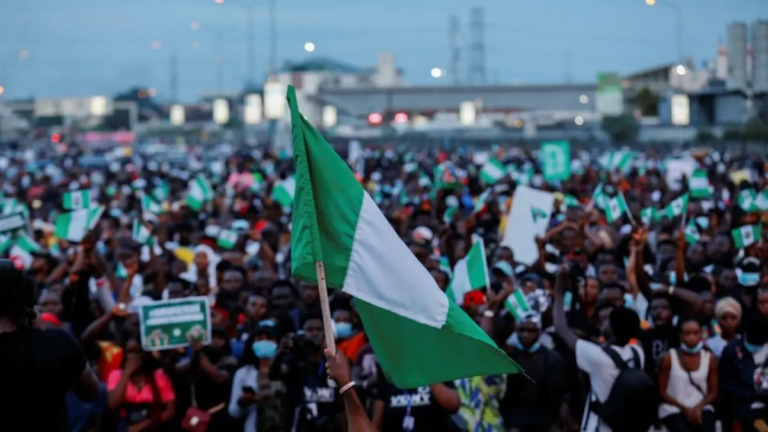
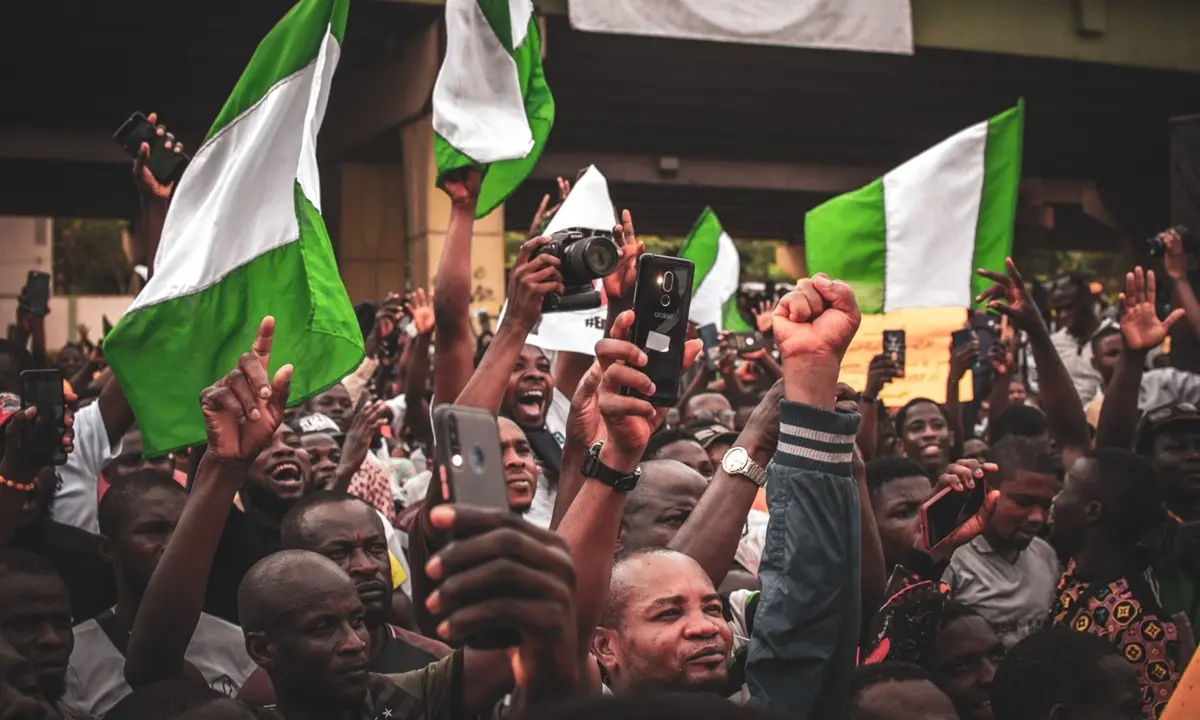
Social media compressed distance. A protest in Lagos could become a national conversation within minutes. Hashtags became political spaces. Citizens could document police violence, organise protests, challenge official narratives and build movements without waiting for television or newspapers to validate them.
The Nigerian public sphere moved from the newsroom to the timeline.
The 2020s have brought another Nigeria.
Japa has turned migration into a household conversation. Fintech has made the bank branch less necessary for millions. Insecurity has altered where people travel and how communities think about safety. Inflation has made the price of ordinary things a political fact. Reforms have reopened old arguments about subsidies, taxation, currency and the role of government.
Now AI is arriving in a country still trying to solve problems that predate the internet. That contradiction may be the most revealing thing about Nigeria at 66.
We are simultaneously building the future and repairing the past.
A Nigerian can send money across the world in seconds and spend hours trapped in traffic. A young person can work remotely for a company thousands of kilometres away while struggling with unreliable electricity. A fintech startup can raise millions while a farmer still struggles to move produce from the farm to the market.
This is not one Nigeria.
It is several Nigerias occupying the same geographical space. There is the Nigeria inherited in 1960, the Nigeria broken and reconstructed after 1966, the oil Nigeria of the 1970s, the austere Nigeria of the 1980s, the democratic Nigeria of 1999, the connected Nigeria of the 2000s, the networked Nigeria of the 2010s and the restless, mobile, digitally ambitious Nigeria of the 2020s.
They did not replace one another completely…They accumulated.
That may be the real story of our 66 years.
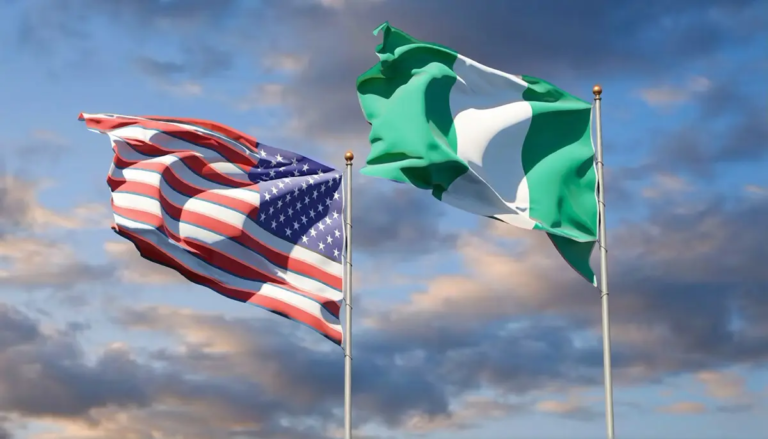
Read More : October 1: US Reaffirms Stronger Nigeria Ties
Nigeria has not travelled in a straight line. It has moved in loops, ruptures and improvisations. We have carried old institutions into new technologies, old grievances into new political movements and old survival instincts into new economies.
So, on October 1, the more useful question is, “After 66 years of becoming, what kind of country have we actually made?”
The answer is somewhere between the Nigeria we inherited and the Nigeria we are still trying to invent.