Trending
Dear Lagos Elite,
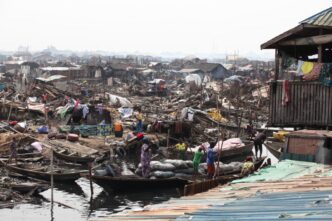
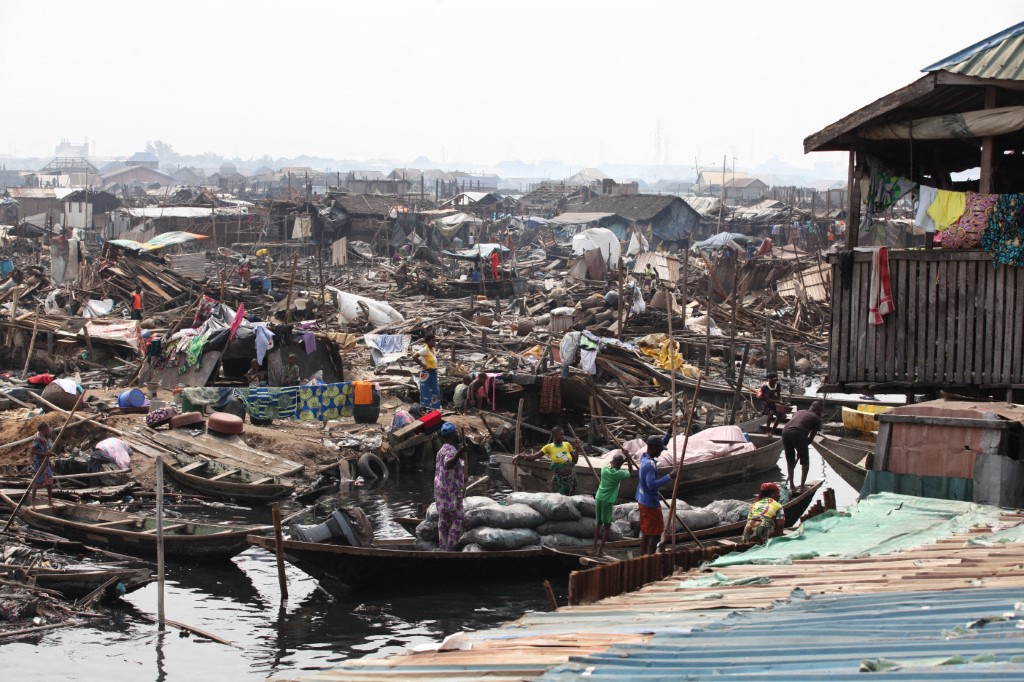
I get it. Makoko, Oworonshoki, Bariga, etc., assault your senses. They are slums. They are dirty. They are not pretty. We’d prefer high-rises overlooking the waterfront. They’ll be nicer, have higher commercial value, and the Lagos State Government will get more taxes. Hopefully, to be used to improve social services for more citizens. Honestly, I get it!
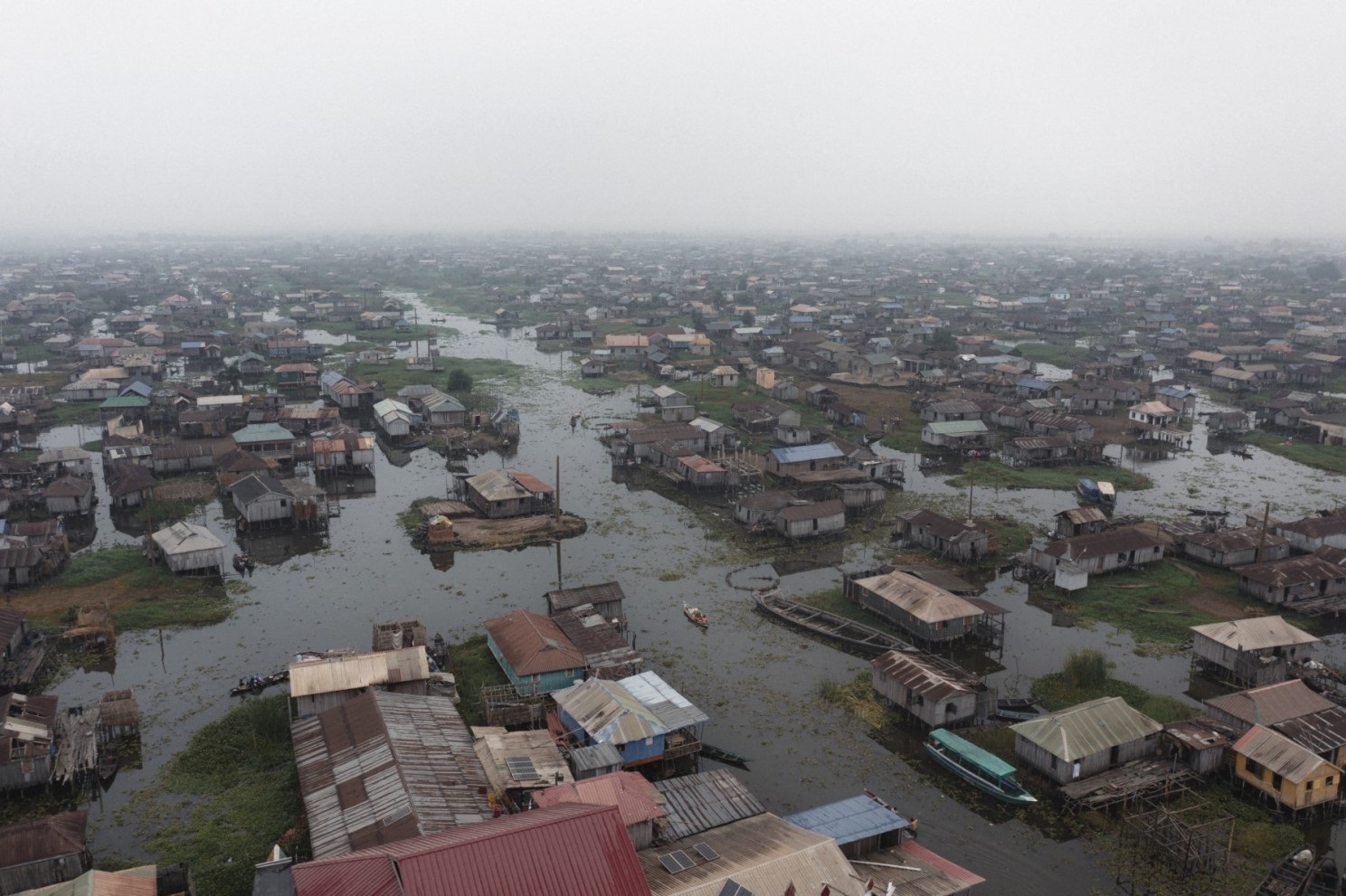
However, we can’t build a megacity on the blood and bones of the poor. People live in these places. HUMAN BEINGS. And your disgust with their living environment is not their fault. It is a stark reminder of governance failure. It’s not complicated. Venice (Italy), Amsterdam (Netherlands) & Ganvié in neighbouring Benin are cities on water that we pay to visit.
Read More : Defections, Divisions and Tinubu’s 2027 Edge
That said, all we ask Lagos State to do is relocate and compensate residents when the spaces they call home or their businesses are needed for other uses. After all, the state owns the land. In addition, the government must ensure that they can earn a living. If I fish for a living and you move me to a place without water in sight, what exactly are you expecting me to do?
Makoko is the community currently in the spotlight. Demolitions started November last year and continued into January of this year, with the governor and the House of Assembly feigning ignorance of the happenings. As the rains have returned and we sleep soundly with the gentle patter of raindrops on our roofs, Makoko residents, including children & the elderly, are in their canoes in pools of water because Governor Sanwo-Olu demolished their homes. This is despite several court orders restraining the state and a Supreme Court judgment stating that inland waterways belong to the federal government. That the federal government has said nothing in this matter speaks volumes.
Concerned citizens and members of affected communities protested to the Lagos State House of Assembly on Wednesday, January 28th, which allowed local and international media to continue the coverage of the destruction and death authorised by Lagos State. The peaceful protest upset the state enough to result in illegal arrests, assault, and beatings by the Nigeria Police Force that led to hospitalisation for several protesters.
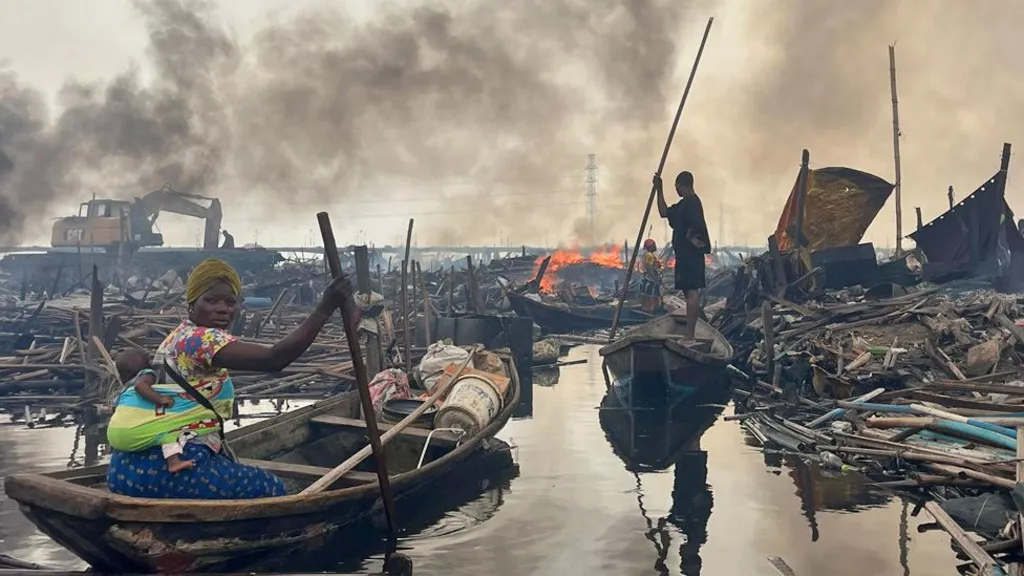
However, some good news followed: a public hearing by the House of Assembly, a brief visit to Makoko, and a follow-up meeting to discuss the terms of engagement for a committee to determine compensation and relocation. Might I remind us that Lagos State had previously stated that it planned to compensate Makoko residents? How do you compensate people you haven’t enumerated? The enumeration process has just started AFTER the destruction of homes, and there is no clear plan to provide temporary accommodation and support while a permanent solution is designed.
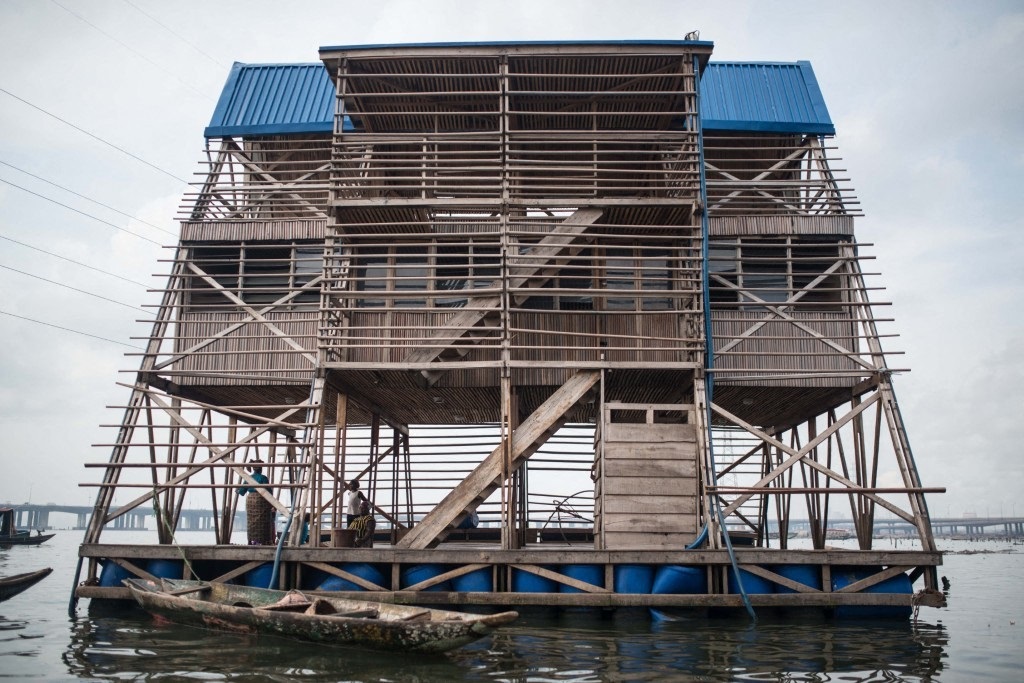
In 2011, the Makoko Floating School was designed by Kunle Adeyemi as a pilot under the larger African Water Cities Project, which focused on adapting coastal cities to climate change. The project was shelved. In 2020, facilitated by JEI, the community engaged the Lagos State government to discuss alternatives for an inclusive redesign of the space, involving the state government and development partners. This was meant to be an alternative to FBT Coral, which had gotten a concession to reclaim land (you can see it from Third Mainland Bridge) near the community.
The government is now loudly speaking about “Water Cities” and its commitment to invest $2 million. This was not a planned announcement. It was a forced response to questions about the destruction of people’s homes and the deaths that have followed. However, the apparent absence of international donor agencies in the current plan (according to an SA’s remarks during the public hearing) makes accountability to the original vision unlikely.
A popular unattributed quote states, “The only thing necessary for the triumph of evil is for good men to do nothing.” This is not just about Makoko. It’s about our daily choices to “unlook” the slow dehumanising of ourselves as we delude ourselves into thinking we’re building a society that makes sense. This level of assault on people’s minds and well-being is unsustainable. When the dam breaks, it is the elite who have the most to lose, and we will pay heavily for this level of wickedness & callousness.
Governor Babajide Sanwo-Olu – what exactly is the plan? A lot of mistakes have been made. I pray that your inaction does not lead to more deaths.