Trending

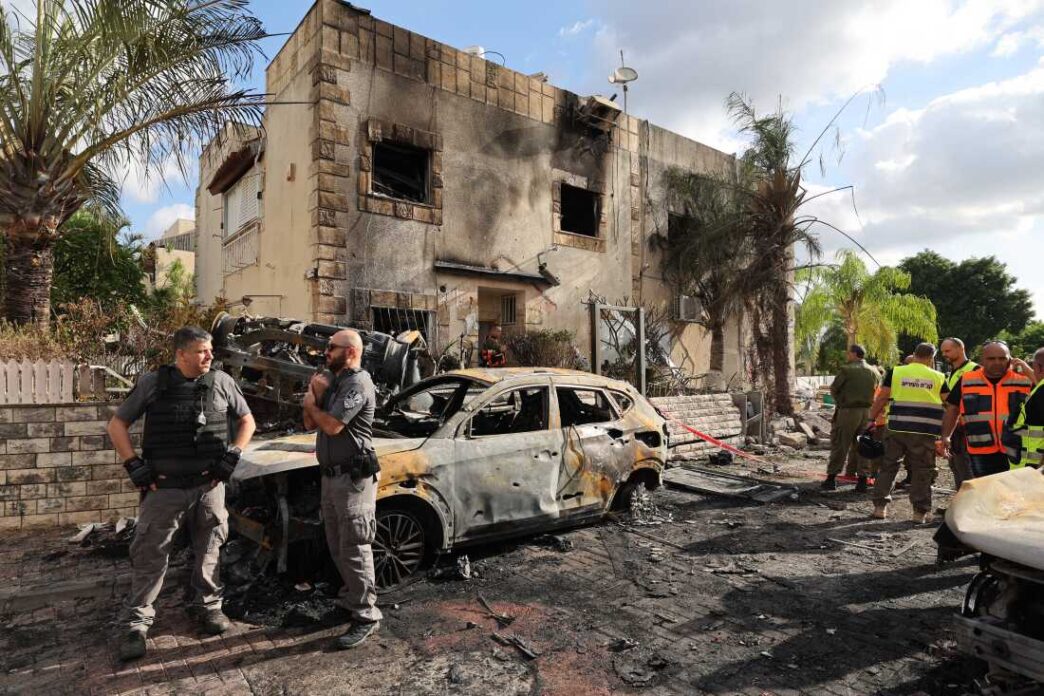
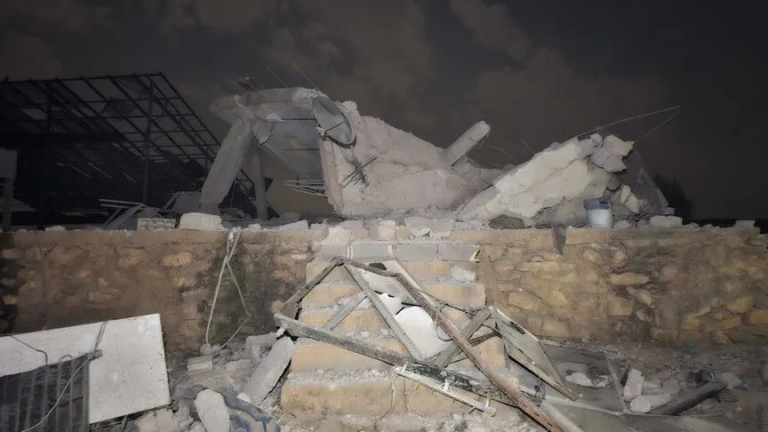
Hezbollah issued a defiant warning on Saturday, declaring it has “no option” left but to continue its armed resistance following a series of Israeli airstrikes that killed eight of its operatives.
The group’s leadership characterised the strikes in eastern Lebanon as a “new massacre,” asserting that military confrontation is their only remaining means of national defence.
This escalation comes at a volatile moment, as the Lebanese government had just prepared to launch the second phase of a military plan aimed at disarming the Iran-backed group in the south.
The Israeli military confirmed it targeted several Hezbollah command centres and missile infrastructure in the Baalbek area, claiming the strikes were necessary to neutralise “terrorists.”
Reports indicate that the eight Hezbollah members, including a commander, were killed while attending a meeting in the Bekaa region.
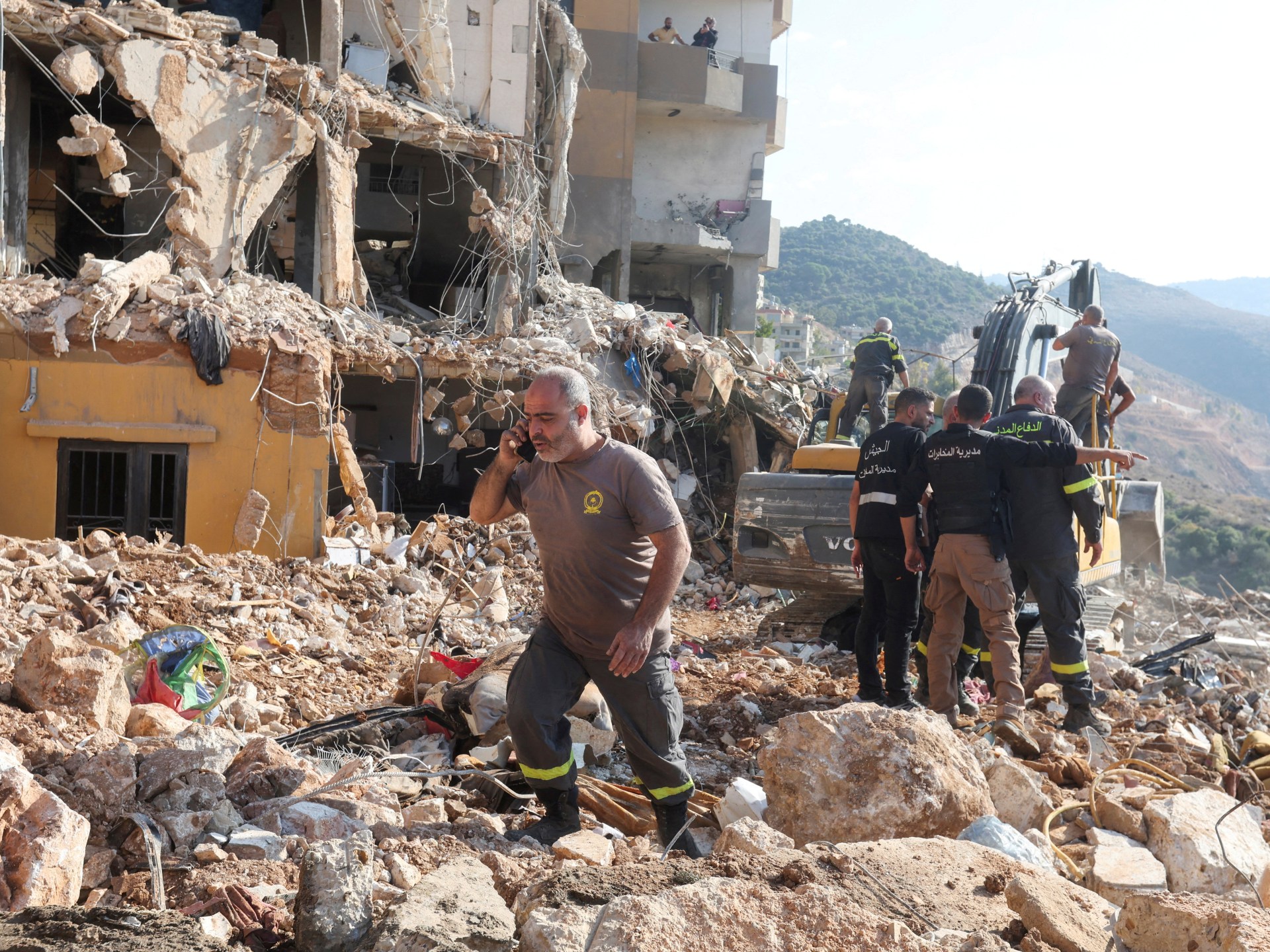
Furthermore, Israel conducted raids in southern Lebanon targeting Hamas-linked sites within a Palestinian refugee camp, which Lebanese health officials say resulted in additional civilian casualties.
These hostilities have placed immense strain on a ceasefire brokered in November 2024.
Lebanese President Joseph Aoun condemned the raids as a “blatant act of aggression” intended to derail diplomatic efforts by the United States and other international partners to stabilise the region.
In response, Hezbollah lawmakers have called on the Lebanese government to suspend participation in the multinational ceasefire oversight committee until Israel halts its aerial campaigns, accusing the authorities of being passive observers to the violence.
Read More : Bolsonaro Defies Exit Ban, Flees to US
The broader geopolitical climate remains equally tense, with the conflict in Lebanon closely tied to the standoff between Washington and Tehran.
As the United States maintains a heavy military presence in the region and continues to pressure Iran over its nuclear programme, Hezbollah’s leadership has reiterated that any attack on their Iranian backers would be treated as a direct assault on the group itself.
This interconnected web of regional alliances and domestic disarmament pressures suggests that a return to full-scale stability remains elusive despite ongoing diplomatic interventions.