Trending
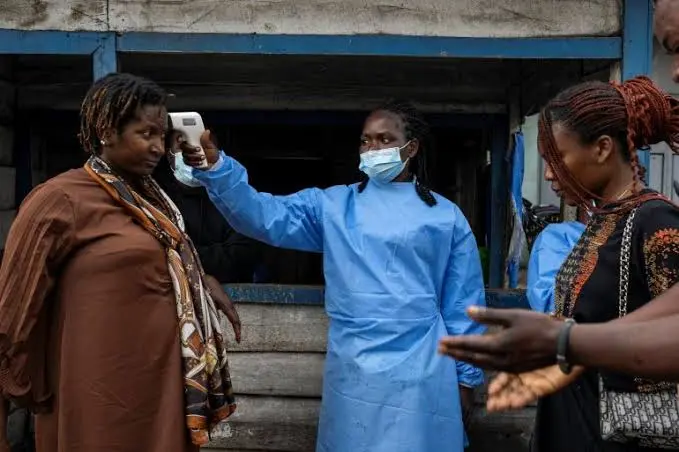
Hunger is making the fight against the Ebola outbreak in eastern Democratic Republic of the Congo (DRC) more difficult.
Three months into an outbreak of the rare Bundibugyo strain, communities already weakened by conflict, displacement and food insecurity are facing disrupted livelihoods, rising food prices and growing difficulty meeting their basic needs.
The DR Congo is battling an outbreak of Ebola disease caused by the Bundibugyo virus, a relatively rare strain of Ebola.
Read More : Kenya Confirms Second Ebola Death
The outbreak was confirmed in May 2026 in Ituri Province, northeastern DRC, and has since spread to other parts of the country.
The World Food Programme (WFP) said the Ebola outbreak has added another layer of hardship in communities where millions were already struggling to survive.
Ebola spreads through direct contact with the blood or other bodily fluids of an infected person, particularly when the person is showing symptoms.
The response has been complicated by conflict, displacement, insecurity and extensive population movement, including cross-border travel and movement linked to mining and trade.
These conditions can make surveillance, contact tracing and access to healthcare more difficult, allowing transmission to continue undetected in some communities.
The World Health Organisation (WHO) has classified the outbreak as a public health emergency of international concern, citing the risk of further national and regional spread.
As of September 6, WHO reported 6,686 confirmed cases and 3,226 confirmed deaths in the DRC, giving a case fatality ratio of 48.3 percent.
The outbreak had spread to 61 health zones across six provinces, with Ituri remaining the main centre of transmission and more than 1,000 confirmed cases recorded in North Kivu.
Hunger is Worsening The Outbreak
In Mongbwalu, an eastern Congolese mining town at the centre of the outbreak, residents say fear of the virus has disrupted daily life and made food increasingly unaffordable.
Dorica Hanibaliye, a mother of seven who previously earned a living selling sweets around mining sites, told WFP that the outbreak had taken away her ability to work normally.
“Food is becoming scarce and prices are rising beyond what many families can afford,” she said.
The virus has spread from three health zones in one province to 57 health zones across six provinces since the first cases were reported in Mongbwalu in May.
The outbreak has struck some of the country’s most vulnerable communities, with the agency warning that Ebola is worsening an already severe hunger crisis.
An estimated 26.5 million people in the Democratic Republic of the Congo are facing acute food insecurity.
“To end Ebola, we must address both the health emergency and the hunger it is worsening,” David Stevenson, WFP country director in DRC, said.
The agency said the outbreak is also affecting people whose livelihoods depend on movement and trade.
Pascal Kanane Mokara, a motorcycle taxi driver in Mongbwalu, told WFP that fear of Ebola had reduced the number of passengers using his services.
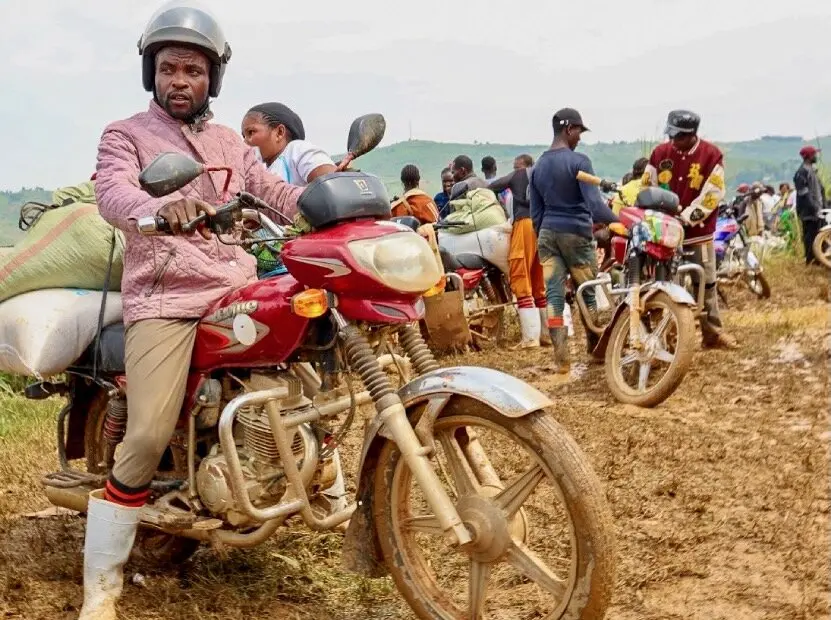
With customers disappearing, his income has fallen, making it harder to feed his family of nine.
“Fear of Ebola changed everything,” he said.
The disruption is also being reflected in local markets.
According to WFP market monitoring, the cost of a basic food basket increased by nine percent in the three months to July 2026, while the depreciation of the Congolese franc further weakened households’ purchasing power.
The agency said food insecurity can also complicate efforts to contain Ebola because people struggling to feed their families may move in search of food or work, potentially increasing the risk of disease transmission.
Food assistance can therefore do more than simply feed vulnerable households.
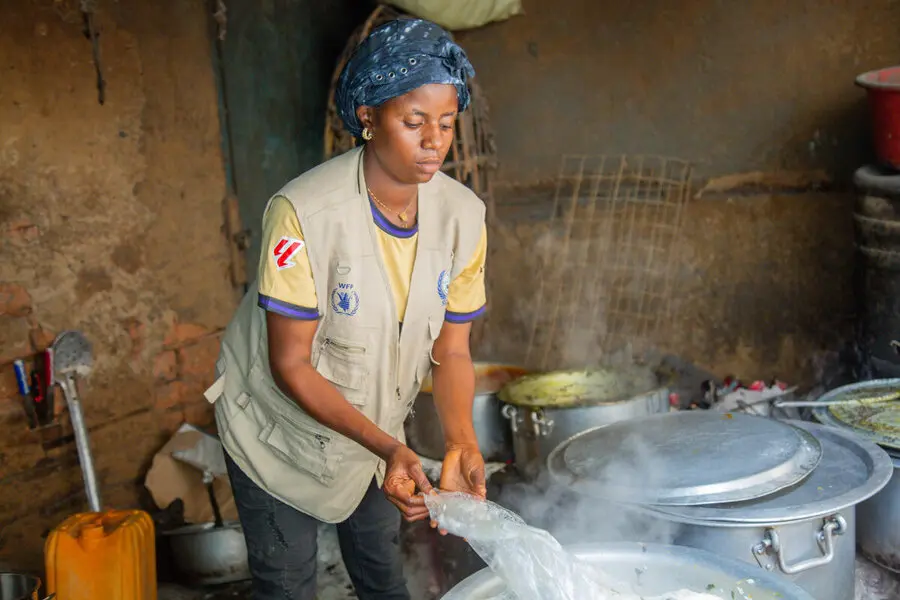
WFP has provided hot meals and dry food rations to nearly 87,000 people affected by the outbreak, including patients, caregivers, frontline workers and vulnerable families.
In Ituri Province, where Mongbwalu is located, the hunger crisis is particularly severe.
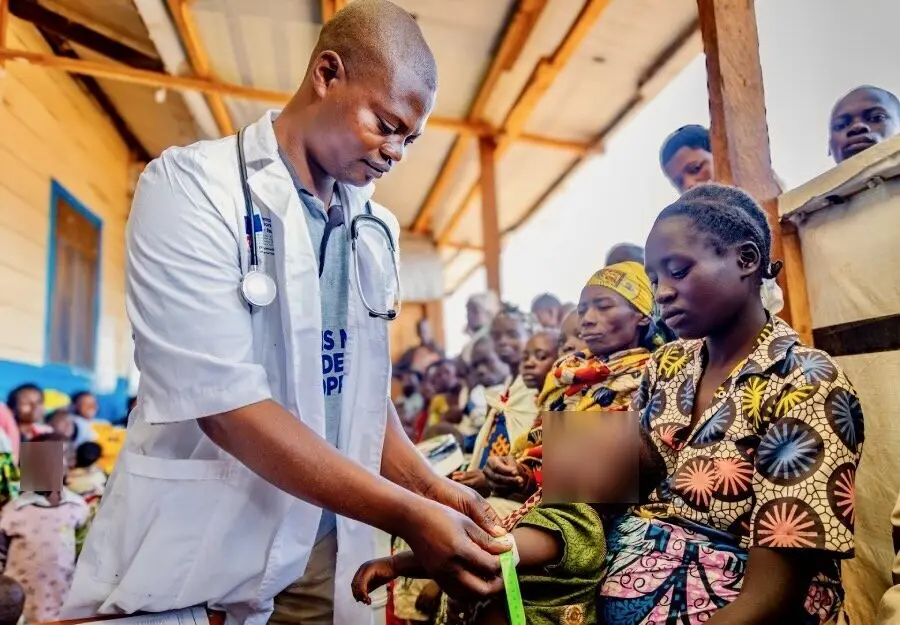
At the WFP-supported Salama Health Centre in Bule, head nurse Jean de Dieu Nduwingalo said the facility is seeing families arrive with multiple malnourished children.
“We often see three or four malnourished children arrive at the same time, accompanied by their mothers, who are also malnourished. The entire family lacks food,” he said.
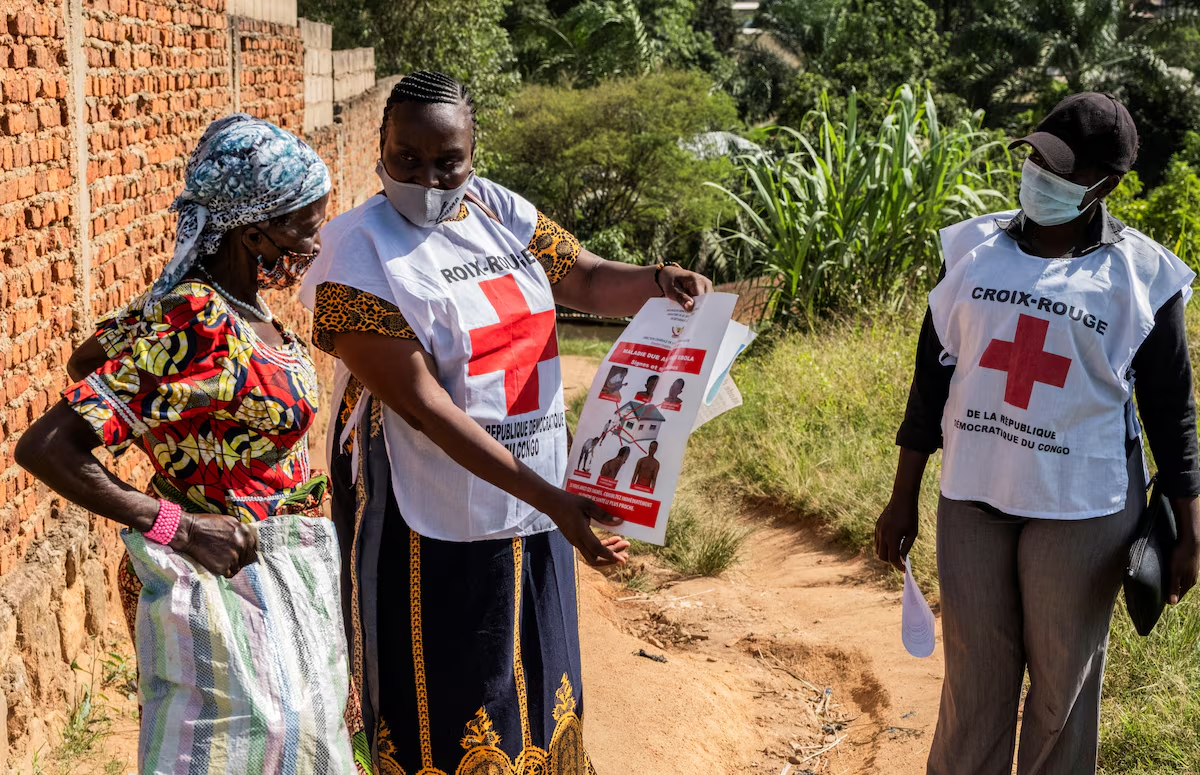
Credit: Reuters
The health centre can treat only the most critical cases, while some children return to malnutrition after treatment because their families still cannot afford enough food.
WFP said it is providing food and nutrition assistance to more than 68,000 displaced people in the area.
Across eastern DRC, the agency has assisted nearly 480,000 food-insecure people with food and cash since the beginning of 2026.
But the agency said funding is failing to keep pace with the needs created by the Ebola outbreak and the wider humanitarian crisis.
WFP estimates it needs $50 million to sustain hot meals, support quarantine measures and reach communities newly affected by Ebola.
The agency described food and nutrition assistance as the largest unmet need in the Ebola response.
“Food assistance is helping families to stay fed and stay safe while supporting efforts to contain Ebola,” Stevenson said.
“What we do not have is the funding needed to address them together.”
For families already facing displacement, hunger and lost incomes, containing the virus is not only a medical challenge. It is also a struggle to keep food on the table.