Trending
Disclaimer: At News Central TV, we believe in the power of diverse voices. The following piece is an op-ed; the insights and arguments presented are those of the author alone. Their publication here does not constitute an endorsement by News Central TV, but rather an invitation to engage with the complex issues shaping our world.
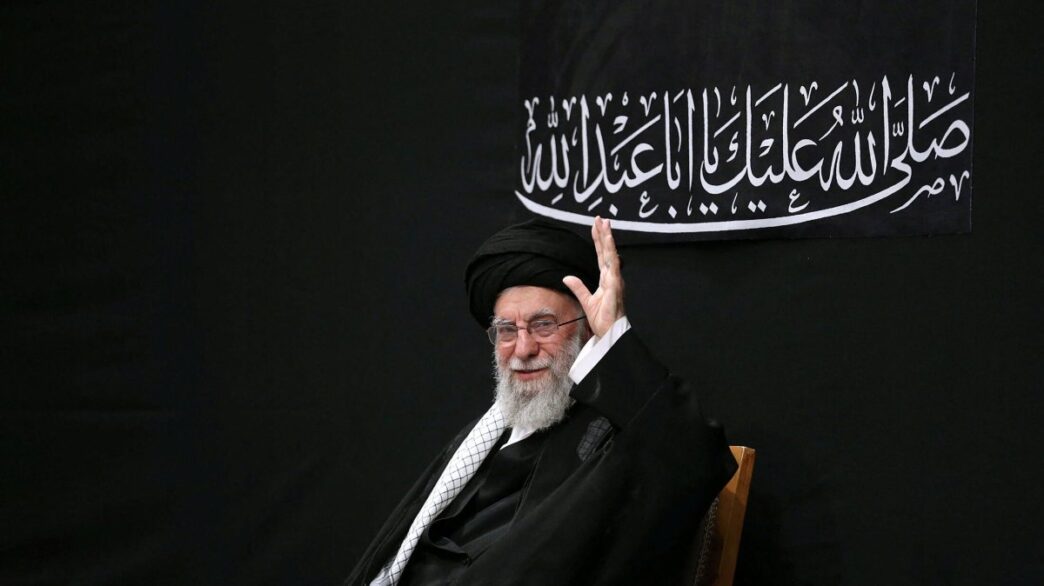
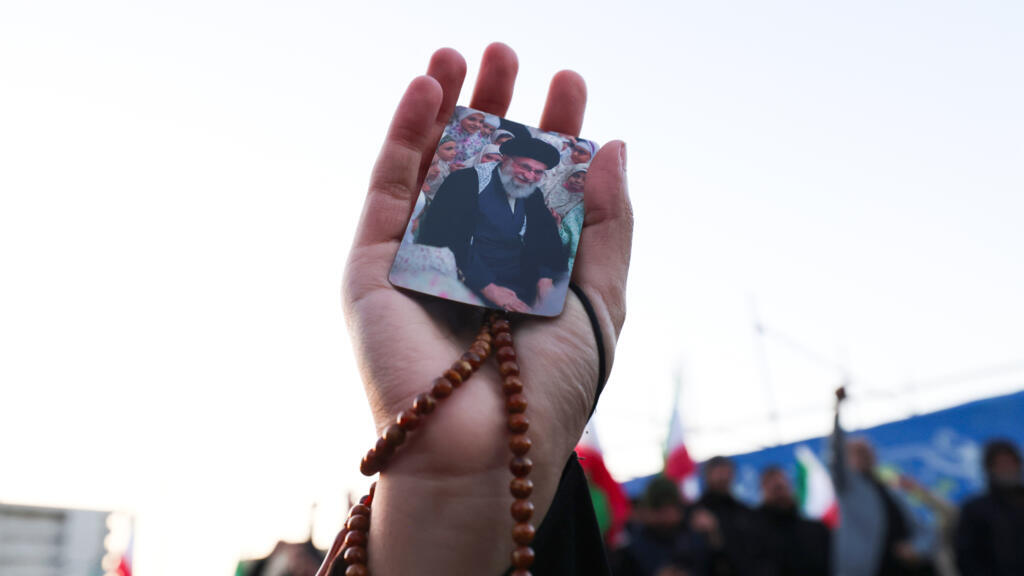
Relief, then anxiety. That was the emotional arc of anyone watching the news when Ayatollah Ali Khamenei was confirmed dead. Relief for most of the 92 million Iranians freed from the grip of an 86-year-old dictator who, across nearly four decades, ran his country with an iron fist. But when the relief fades, and the harder questions arrive, where does this go next? The picture turns considerably darker.
The Tyrant Is Gone, But the Regime Remains
Khamenei was the hardest of hardliners. He shaped the modern Islamic Republic into a suffocating hybrid of clerical authority, military corruption, and bureaucratic repression. He defined Iran’s unyielding opposition not only to America, the West, and Israel, but to freedom for his own people. His death will be unambiguously good news for many Iranians, but the question is whether it translates into anything better for them in practice.
Because toppling a tyrant from the air is not the same as toppling a tyranny. First off, there is virtually no modern example of a government falling without military forces on the ground to do the actual toppling, moreso the record of American-sponsored regime change in the Middle East has never ended well, from Afghanistan to Iraq to Libya. Iran may be different; its people are well educated, digitally connected, and desperate for freedom, but anyone who expects a swift democratic transition is likely to be disappointed.
Trump’s Admission and the Complexity He Recognises
Perhaps a striking moment in President Trump’s conduct of this war was not the bombing itself, but the timeline he floated afterwards. By suggesting the conflict could go on for some time, Trump implicitly acknowledged that this is not a surgical strike with a clean exit, but a prolonged campaign against a regime that will not simply collapse on cue. That admission, whether intentional or offhand, reflects a dawning recognition of Iran’s complexity that regime change from altitude is messier and slower than campaign rhetoric suggests.
Trump has already begun searching for off-ramps. He has floated the idea of negotiating with new leaders of the same regime, a significant retreat from the explicit call for the Iranian people to overthrow their government that he made in his speech announcing Operation Epic Fury. But that retreat carries its own problem: once you publicly define the purpose of a war as regime change, that becomes the only measure of success or failure. Anything short of it looks like defeat.
A Pattern Emerges: From Maduro to Khamenei
Step back further, and a pattern emerges that should concern observers beyond the Middle East. The United States has now effectively removed, or overseen the removal of, two of the world’s most entrenched authoritarian leaders in rapid succession: Venezuelan President Nicolás Maduro and now Khamenei. Whether by sanctions, proxy pressure, or direct military force, Washington under this administration has demonstrated an appetite for confronting dictatorships that once seemed too costly or complicated to challenge.
For the long-suffering populations under those regimes, there is something genuinely hopeful in that posture. But the manner in which it is being done matters enormously. In neither case did the United States work carefully through international institutions, build a broad coalition, or consult Congress and the American people in any meaningful way. Operation Epic Fury was fast, furious, and driven as much by the theatre of strength as by strategic doctrine.
The Message to Xi and Putin
Which brings us to the most consequential audience of all: the leaders watching from Beijing and Moscow. As other countries look around and assess the world they are now living in, the rules they can rely on, and which institutions offer any stability, they are confronted by a stark reality. The nation that created the international rules-based order has now said, loudly and without apology: might makes right.
That message will gladden the hearts of Xi Jinping and Vladimir Putin. Both have long argued that the liberal international order is a fiction, a set of rules invented by Americans to serve American interests, discarded the moment those interests change. Every time Washington acts unilaterally, without coalitions, congressional authorisation, or international law, it lends that argument fresh credibility. It makes the world safer for the next authoritarian who decides that borders are negotiable and institutions are inconvenient.
What Comes Next
The most likely near-term outcome in Iran is not a flowering democracy but a badly bruised government that survives with new faces. Perhaps the military grows more powerful as the clerical class weakens. Perhaps Tehran returns to nuclear negotiations with even greater concessions, having seen what American air power can do. Those would be meaningful outcomes, but they fall well short of what Trump’s own rhetoric promised.
Iran may have been weakened, but it still appears resolute if the fury of its retaliatory strikes is anything to go by. Its military has been battered, and dozens of its leaders have been killed. Its allies, Hezbollah and Hamas, are in near tatters while Israel, Saudi Arabia, and the UAE bristle with military capability.
The regional balance may have shifted, but weakness and collapse are not the same thing and a war begun without clear legal authority, without allied buy-in, and without a plan for the morning after, risks trading one set of problems for another while teaching the world’s remaining authoritarians exactly the wrong lesson about how power works.