Trending
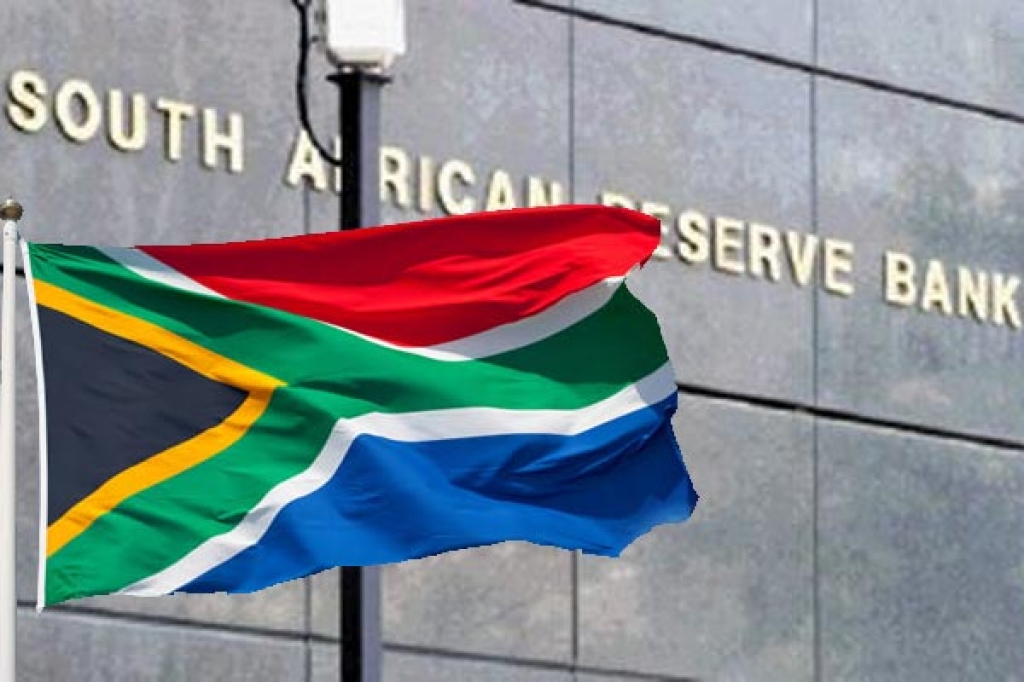
The South African Reserve Bank will revise its risk scenarios ahead of its next interest rate decision, as the escalating Middle East conflict raises oil prices, the central bank governor said.
Lesetja Kganyago told Reuters that the bank is preparing for its March 26 policy meeting, following a split decision in late January to keep the main lending rate at 6.75%.
At that time, policymakers noted the need to observe further declines in inflation expectations.
Read More : ANC Faces Voter Backlash Over Municipal Failures
“We had a our baseline (in the January meeting) and we had an optimistic scenario and an adverse scenario,” Kganyago said.
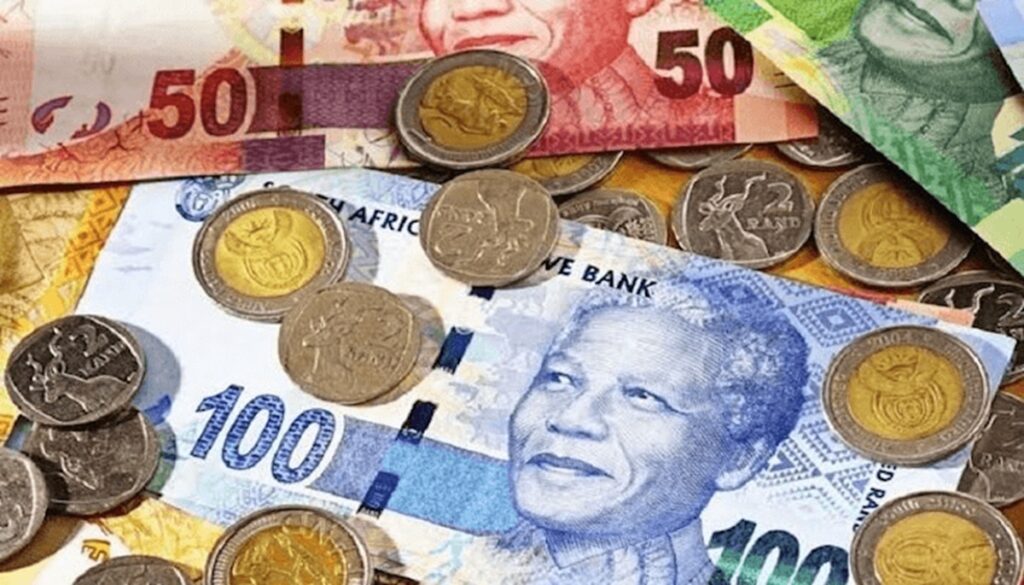
He noted that the previous adverse scenario assumed an average oil price of $75 per barrel and the rand at 18.50 to the dollar.
He stated that the unfavourable situation from before “is gone – it was in the in the past … we will come up with a completely new one.”
The conflict caused by Israeli and US bombing in Iran has pushed Brent crude futures above $94 per barrel this week, while the rand strengthened slightly to 16.82 to the dollar.
Read More : Mob Beats Foreigner to Death in Durban
Kganyago said the exchange rate has a stronger effect on inflation than oil prices, noting that a 10% move in the rand would affect prices more than a similar jump in oil prices.
“Yes, it’s the adverse scenario, but it is not playing out as we had feared,” he said, adding that the central bank will only respond to persistent inflation, not transitory price shocks.
“The call that as a policy maker you must make is – is this transitory, or is it persistent? And you only respond to the persistent, not to the transitory – and that is not an easy call to make.”