Trending
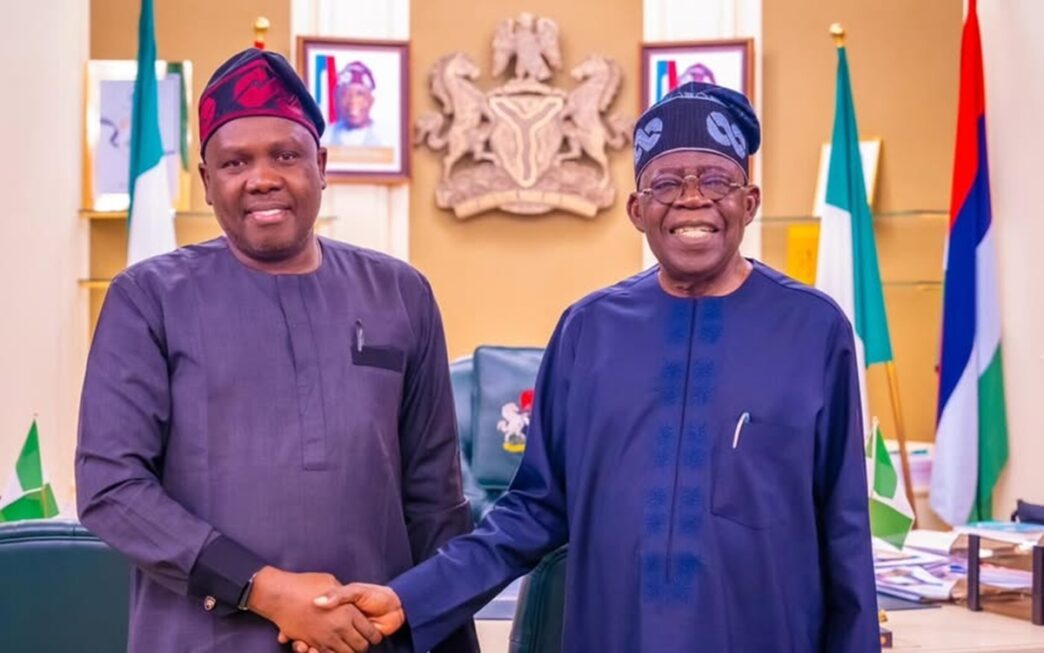
Daniel Bwala, Special Adviser on Policy Communication and Media to President Bola Tinubu, has denied calling the president a “drug lord,” saying the claim arose from distorted social media content that was amplified by some media outlets.
Speaking in an interview with News Central TV, Bwala challenged those making the claim to produce any video evidence supporting it, saying he has never made such a statement at any point.
He maintained that the accusation was false and invited his interviewers to end the discussion if any proof existed.
“I have never in my life addressed Bola Tinubu as a drug lord. In fact, I have never believed in it,” he said.
“If you have it here, we can shut the interview and you produce it,” he added.
Bwala also addressed a separate viral claim that he once suggested that even 30 years in office would not change Tinubu’s administration.
He said the remark was taken out of context from an interview he granted Channels Television on December 25, 2023.
According to him, his actual comment was directed at policy effectiveness, not the president’s tenure, stressing that he had argued that “a fundamentally flawed policy would not be corrected even in 30 years.”
He added that the statement had been stripped of its original meaning before being circulated online and republished by mainstream media outlets.
Bwala said he still possesses the original interview video and is willing to present it publicly to clarify the context.
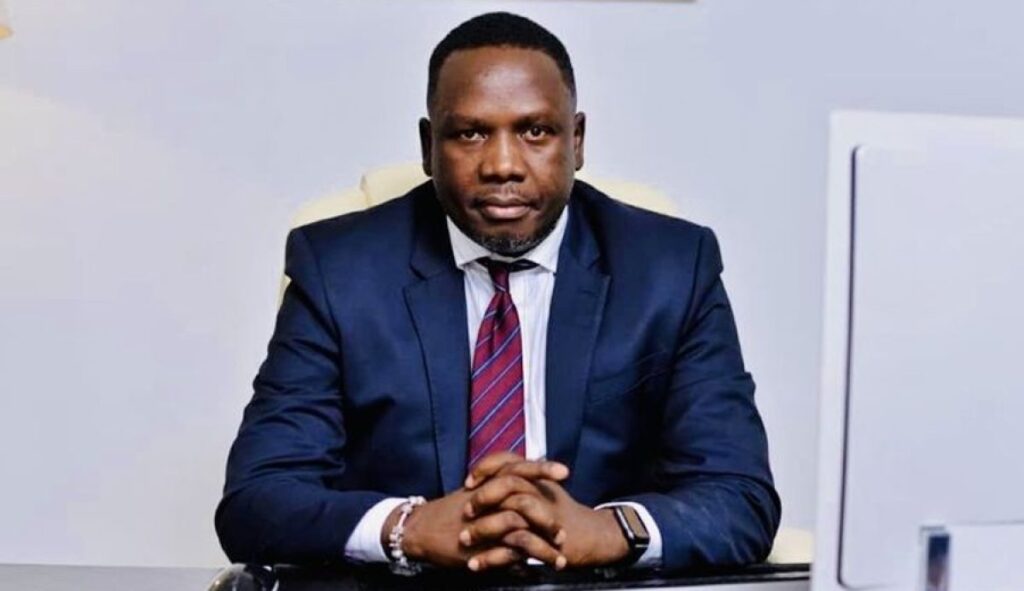
Credit: Daily post.
The presidential aide claimed that social media narratives are increasingly being regarded as verified news and used the controversy to criticise what he called inadequate verification standards in some Nigerian media.
“Now, when you mentioned it was reported in the paper, that is the second question that the Nigerian media should begin to look at, how social media now set the tone and agenda for mainstream media. And this is where we have the problem in Nigeria today.
“Believe me, I’m telling you, I see some television houses, not all of them, where they report stories on social media that were unverified, as though it is a verified information and people run to town with it,” he said.
He added that journalists should trace claims to their original sources before publication, comparing the practice to academic research, where referencing without consulting the original material is considered inadequate.
Bwala acknowledged that credible journalists are being overshadowed by a minority who exploit social media outrage for attention and monetisation.
He further noted that responsible journalism requires verification and context, warning that failure to do so fuels misinformation.
“If, for example, assuming you’re running a newspaper, and you see a social media that says something like that, for the purposes of verifying your information, which is part of the ethics, we need to say, let me go to the source. Now, as a researcher, I will tell you the discipline in research. It is not enough that you are citing a reference, or that you come across a reference.
“It’s important you go to the source of the book that was referenced. So you can get the context of the author, and where necessary, to also stretch it further and see peer review, what was the opinion of others regarding that point that was highlighted, so that when you say something, it will be cast in stone.
“But I can understand that journalism now has taken a different dimension, that very good journalists, their good work is being overshadowed by the conduct of very few minority who have mastered the nuances of social media that feeds off of vitriol and hate for the monetisation of revenue,” he said.
Read More : Zamfara Police Arrest Youth Over Video Threat
Bwala, who previously served as spokesperson for Atiku Abubakar’s 2023 presidential campaign before joining the Tinubu administration, said he had consistently rejected the “drug lord” label even during his time in opposition politics.
His comments, however, have sparked mixed reactions online, with some users resurfacing old video clips and accusing him of inconsistency following his political realignment.