Trending
The World Bank reported on Tuesday that Nigeria’s economy remains resilient and is projected to grow by approximately 4.2% in 2026.
During a presentation in Abuja, lead economist Fiseha Haile noted that while the ongoing conflict between the U.S., Israel, and Iran has driven up global prices, domestic business activity continues to expand.
The report suggests that the ambitious economic reforms initiated by President Bola Tinubu, including the removal of subsidies and currency devaluation, have helped stabilise external buffers and reduce the debt-to-GDP ratio for the first time in ten years.
Read More : Uyo Police Nab Two Suspects, Seize Drugs
Despite this positive growth outlook, the World Bank warned that rising fuel costs and persistent inflation pose significant risks to household incomes and poverty reduction efforts.
Although inflation dropped to roughly 15% in February, the Middle East crisis has caused fuel prices to surge by over 50%, putting renewed pressure on food and transport costs.
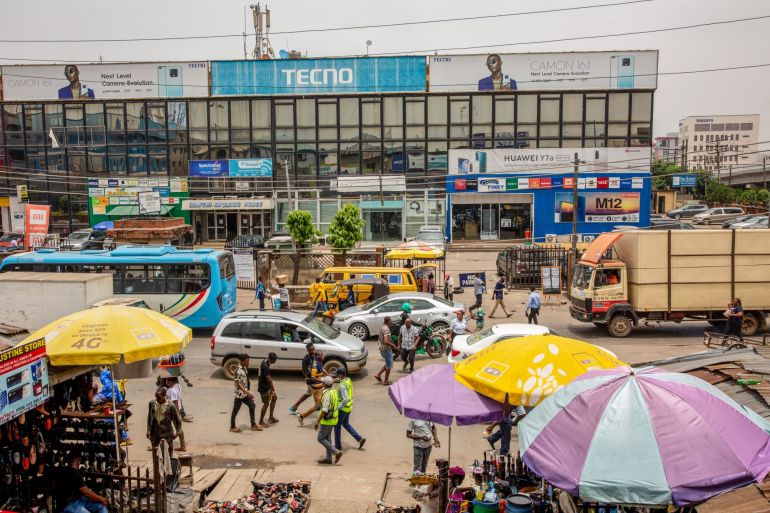
To mitigate these shocks, the bank recommended that the Nigerian government consider lifting restrictions on fuel imports and maintain a tight monetary policy to prevent further erosion of purchasing power.
Read More : NAFDAC Destroys Fake Products in Rivers
The report also highlighted a critical “crisis” in human capital, noting that Nigeria continues to struggle with high child mortality and stunting rates.
Beyond macroeconomic stabilisation, the World Bank urged authorities to prioritise early childhood development, spanning health, nutrition, and foundational learning.
For long-term inclusive growth, the bank emphasised the need for a coherent, child-centred policy package to ensure that economic gains translate into better living standards for the most vulnerable populations.