Trending
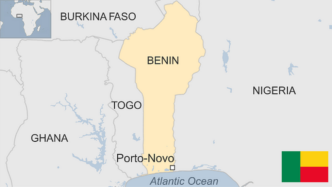
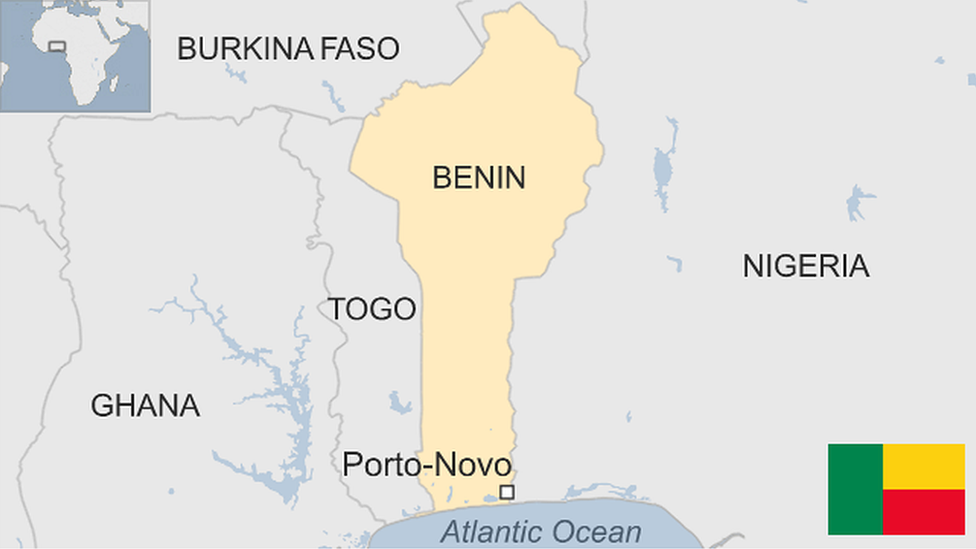
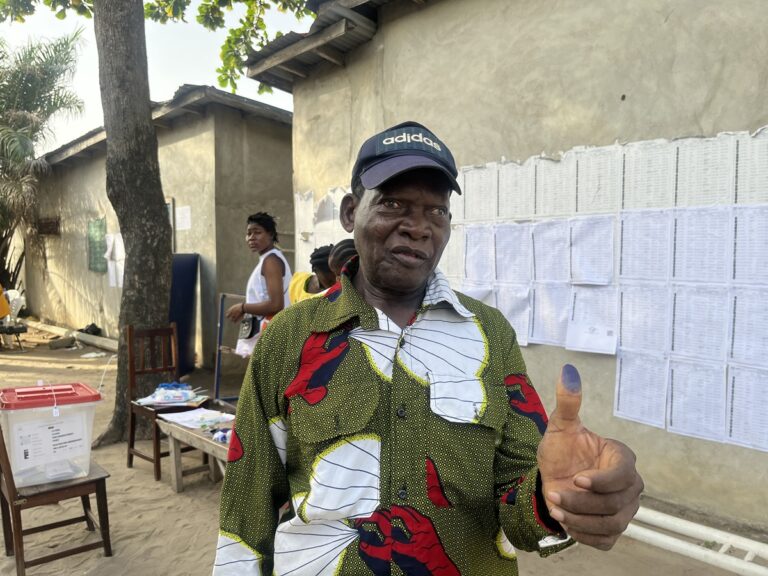
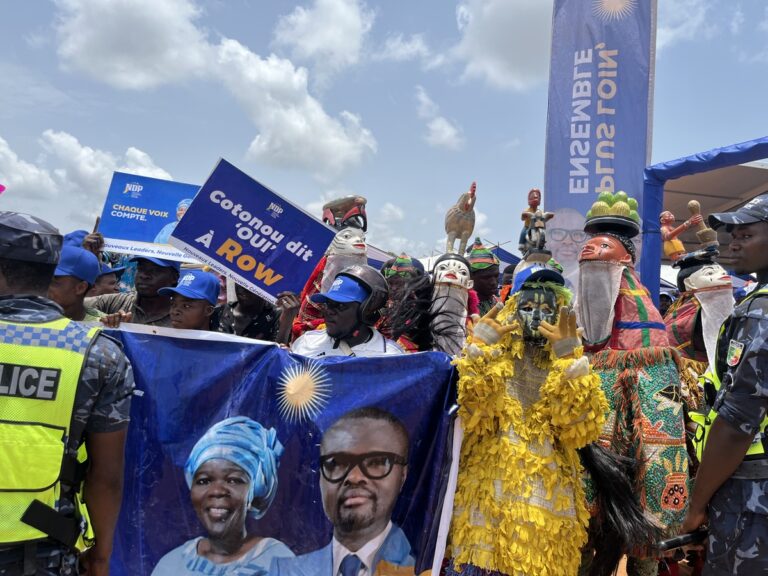
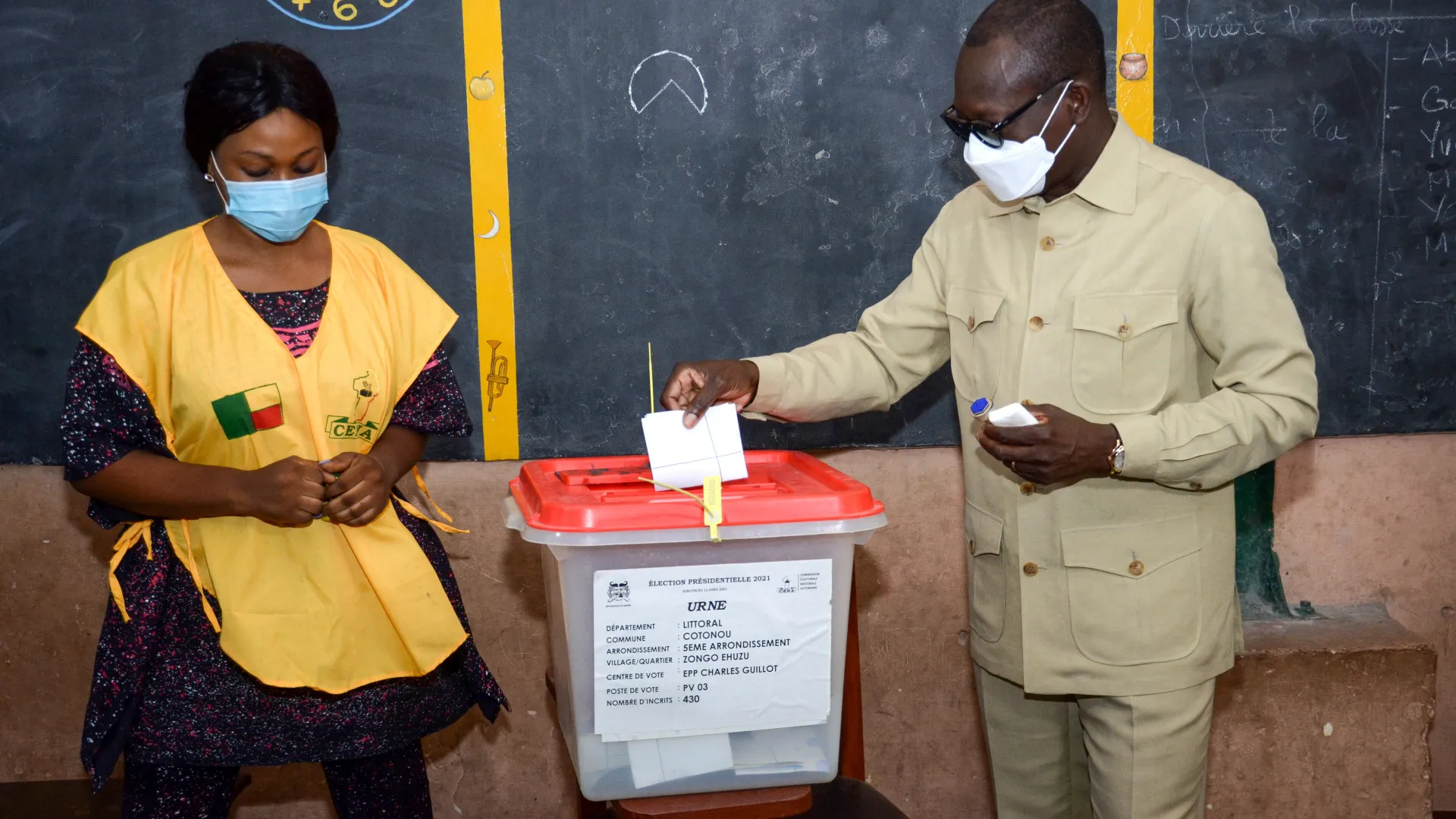
As Beninese head to the polls on Sunday, April 12, attention turns to the country not just because of the emergence of a new president, but because there is a lot at stake for its economy, politics, and security.
President Patrice Talon‘s time is up after two terms, and voters will choose between two candidates: the ruling party’s favourite and a moderate opposition candidate.
Here are five important facts to know ahead of the presidential poll:
Read More : Benin: Wadagni Forms 24-Member Cabinet
Firm Economic Growth
With about 14.4 million people, Benin is one of the fastest-growing economies in West Africa. According to the World Bank, the economy grew by 7.5 percent in 2024, the best performance since 1990, and there is no sign of a slowdown.
Benin isn’t just rich in minerals, but it’s also endowed with cotton, with almost 650,000 tonnes produced this year, putting it among the top exporters worldwide. The major city, Cotonou, has improved significantly with new infrastructure. However, poverty is still a heavy concern, especially in the rural areas, where about 30 percent of people struggle to get by.
A Two-person Contest
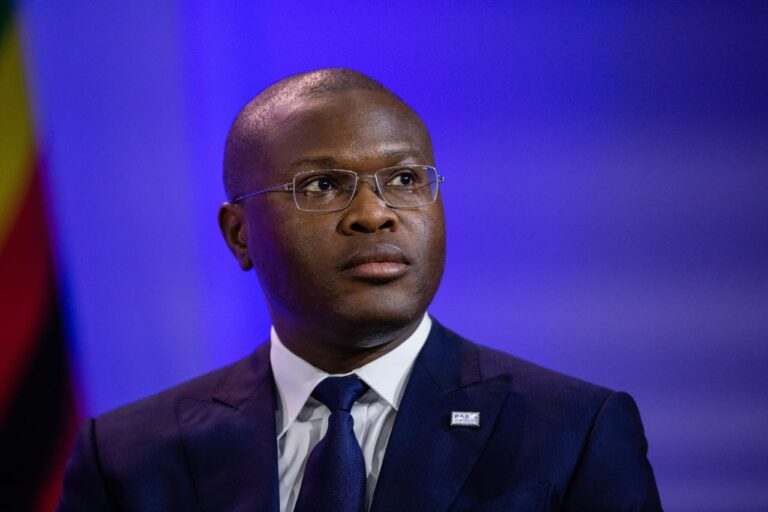
The election is a contest between Romuald Wadagni, the Finance Minister and a member of the ruling party, and his challenger, Paul Hounkpe, a former Culture Minister and a moderate opposition figure. Wadagni seems to be the people’s favourite because of his work on economic reforms.
Concern Over Political Space
A major concern for some is that Benin’s vibrant democracy has suffered under Talon. Some opposition leaders are either jailed or in exile, and the rules governing elections are strict, thereby reducing the list of political parties.
For example, the leading opposition party, the Democrats, isn’t allowed to run this year because they couldn’t access enough endorsements. The government says the new rules help reduce political chaos, but critics view it differently, saying they are silencing opponents.
Growing Security Risks
Benin experiences attacks connected to Al-Qaeda and ISIS affiliates operating in the Sahel region, mostly within the northern borders.
Unfortunately, things took a deadly turn in 2025 when dozens of soldiers were killed in a single attack. The government responded by sending troops to those areas, though officials rarely discuss the incidents publicly.
Cultural Pride and Global Connections
Benin’s history as a former French colony means it has close ties with France and other Western countries, especially in the fight against terrorism. However, the country continues to invest heavily in culture and tourism.
Benin claims its place as the birthplace of Voodoo (Vodun in the local Fon language) with international festivals and efforts to restore terrible but important historic sites linked to the slave trade.
Additionally, since 2024, the country has made a bold move by offering citizenship to the descendants of enslaved Africans who were shipped to the Americas, in an effort to strengthen connections with the wider world.
As voters head to the polls, the results won’t just decide who Benin’s president will be, they will also show how strong the country’s democracy is, as West Africa witnesses great changes.