Trending
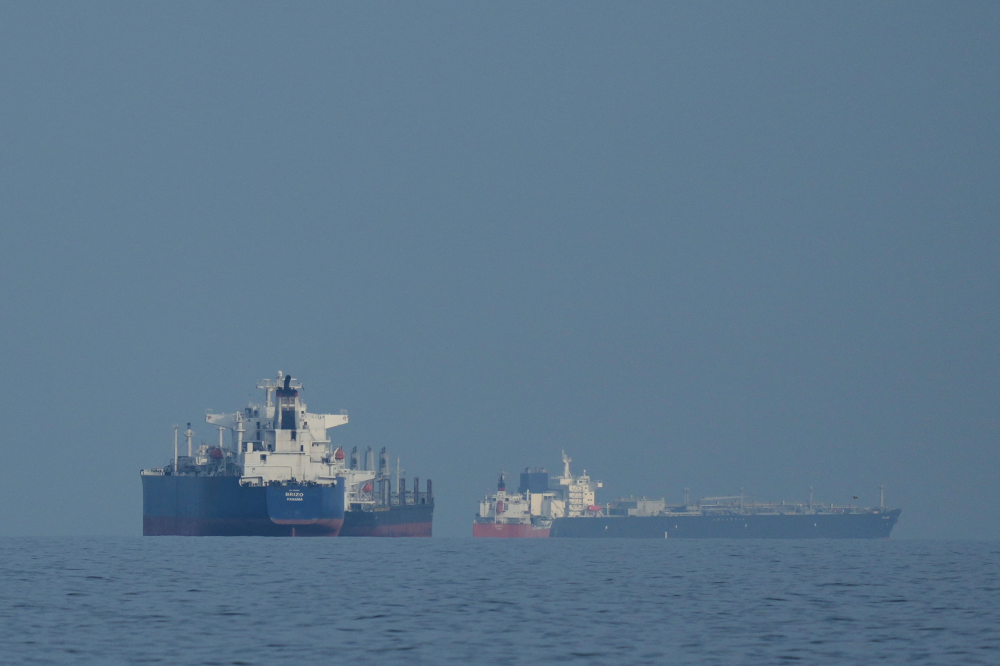
Iran has announced a renewed tightening of control over the strategically vital Strait of Hormuz, signalling a sharp reversal of its earlier decision to ease restrictions as part of ongoing negotiations with the United States.
The move introduces uncertainty into one of the world’s most critical maritime chokepoints, through which a significant portion of global oil shipments passes.
In a statement broadcast on state television, Iran’s central military command confirmed it would resume what it described as “strict management” of the waterway. The decision follows accusations that Washington failed to uphold its commitments under the negotiation framework, particularly regarding maritime access to Iranian ports.
According to the statement, the United States has continued its naval blockade of vessels travelling to and from Iran, a development Tehran views as a direct breach of prior assurances. Iranian authorities argue that the earlier easing of restrictions in the Strait of Hormuz was conditional, tied to guarantees of unhindered commercial navigation for ships engaging with Iranian ports.
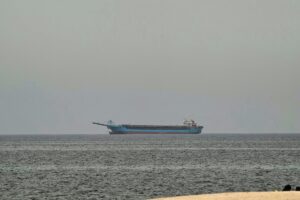
“The situation in the Strait of Hormuz will remain strictly controlled,” the command stated, adding that the policy would remain in place until the United States restores “freedom of movement for all vessels visiting Iran.” The language suggests a firm stance, with little indication of immediate de-escalation.
The Strait of Hormuz remains a geopolitical flashpoint, given its central role in global energy supply chains. Any disruption or heightened control measures can affect oil prices, shipping routes, and broader regional stability. Analysts note that the latest development could complicate diplomatic efforts and intensify tensions between Tehran and Washington, particularly if reciprocal measures are taken.
While no immediate operational changes have been detailed publicly, the announcement underscores the fragility of negotiations and the persistent volatility surrounding Gulf security dynamics.