Trending
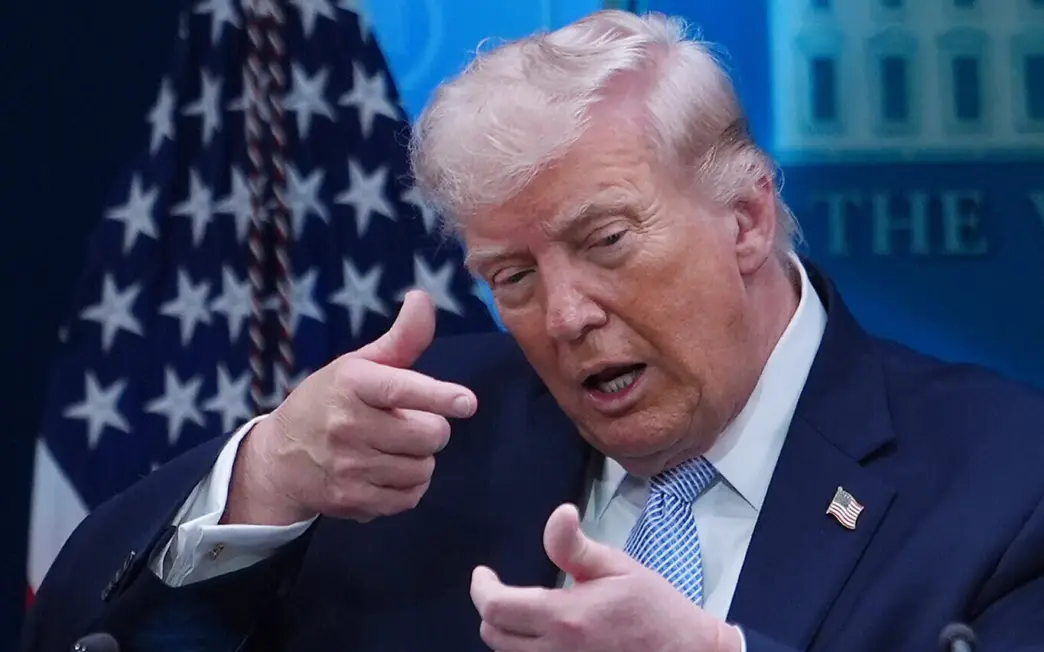
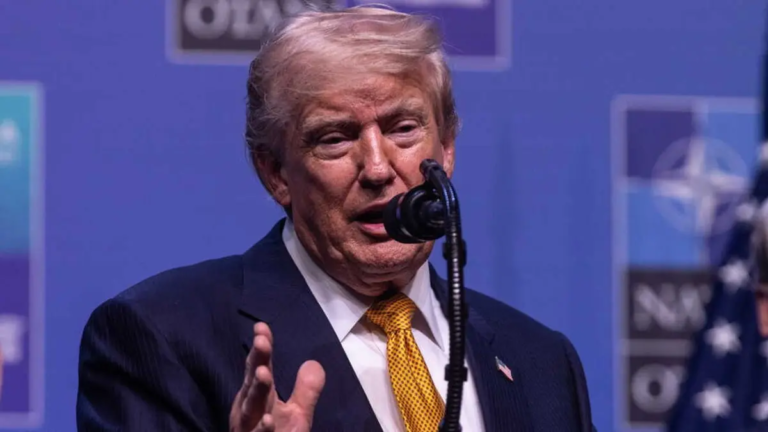
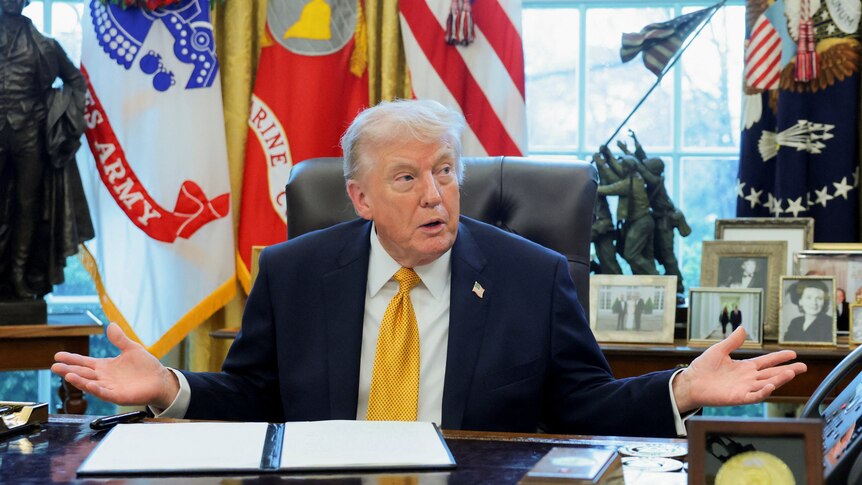
US President Donald Trump met with top national security advisors on Monday to evaluate a new proposal from Tehran aimed at ending the ongoing war.
The conflict remains in a stalemate, severely disrupting global energy supplies and driving oil prices to a two-week high.
While Iranian Foreign Minister Abbas Araqchi has been engaging in a flurry of diplomacy in Pakistan and Russia, face-to-face talks with U.S. envoys were recently cancelled by the White House, leaving current negotiations to proceed remotely.
Read More : Washington Tightens Iran Economic Squeeze
The Iranian proposal suggests a staged approach, beginning with a permanent end to U.S.-Israeli military actions and guarantees against future hostilities.
Crucially, Tehran seeks to delay discussions regarding its nuclear programme until after regional shipping disputes, specifically control over the Strait of Hormuz, are resolved.
This condition is expected to be a major sticking point for Washington, which maintains that nuclear concerns must be addressed from the very beginning of any peace process.
Read More : UNGA: Lavrov Offers Help in Gulf, Slams Europe
The war has caused a near-total collapse of maritime traffic in the Gulf, with daily ship crossings dropping from roughly 130 to just seven.
While a temporary ceasefire has paused direct strikes on Iran, violence has intensified in Lebanon, further complicating the diplomatic landscape.
As the U.S. blockade continues to turn back Iranian oil tankers, Trump faces mounting domestic pressure to resolve a conflict that has fuelled global inflation and weakened economic growth.