Trending
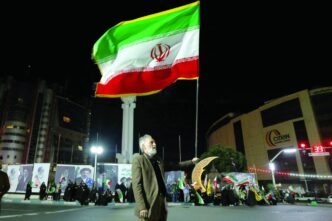
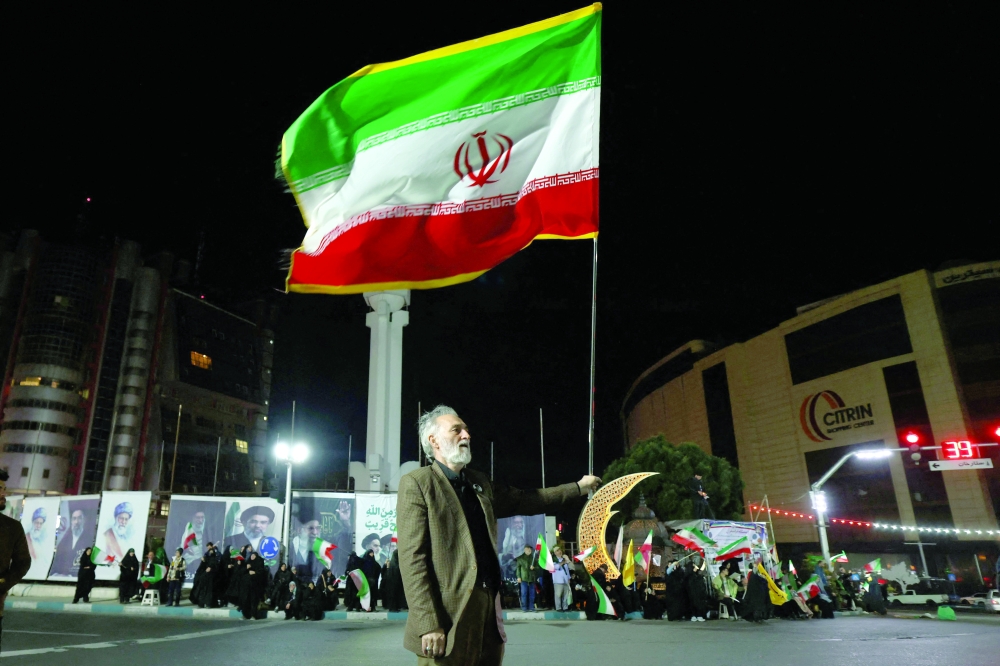
Diplomatic efforts to resolve the Middle East conflict reached a standoff on Tuesday as the United States reviewed a new Iranian proposal to reopen the Strait of Hormuz.
While the plan suggests a mutual lifting of blockades, with Iran easing its grip on the vital waterway and Washington ending its retaliatory port closures, President Trump remains sceptical.
Oil prices surged past $110 a barrel as markets reacted to the stalemate, while Secretary of State Marco Rubio questioned whether the Iranian negotiators possessed the authority to secure a definitive nuclear agreement.
Read More : UNGA: Lavrov Offers Help in Gulf, Slams Europe
The geopolitical friction has extended to America’s European allies, with President Trump publicly criticising German Chancellor Friedrich Merz.
The Chancellor had characterised the US approach as lacking a clear strategy, prompting a sharp social media rebuttal from the American leader.
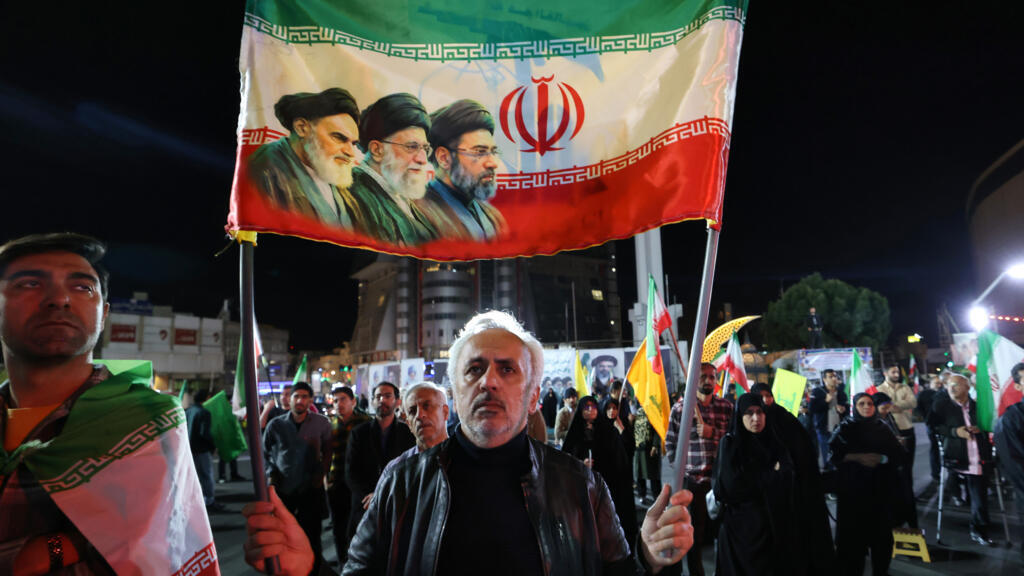
Domestically, the Trump administration faces mounting pressure to find an exit strategy as rising costs and the proximity of midterm elections make the ongoing war increasingly unpopular among the American public.
Read More : Trump Rejects Iran Proposal To Reopen Hormuz
Meanwhile, the situation on the ground remains volatile.
In Lebanon, the national army reported that Israeli strikes wounded its soldiers for the first time since a recent ceasefire began, while Israel announced the destruction of a significant Hezbollah tunnel network.
As Iranian officials warn of “unused cards” in their military arsenal and Qatari mediators caution against a “frozen conflict,” the regional economy continues to suffer, with local businesses in Tehran reporting near-total collapse under the weight of the war.