Trending

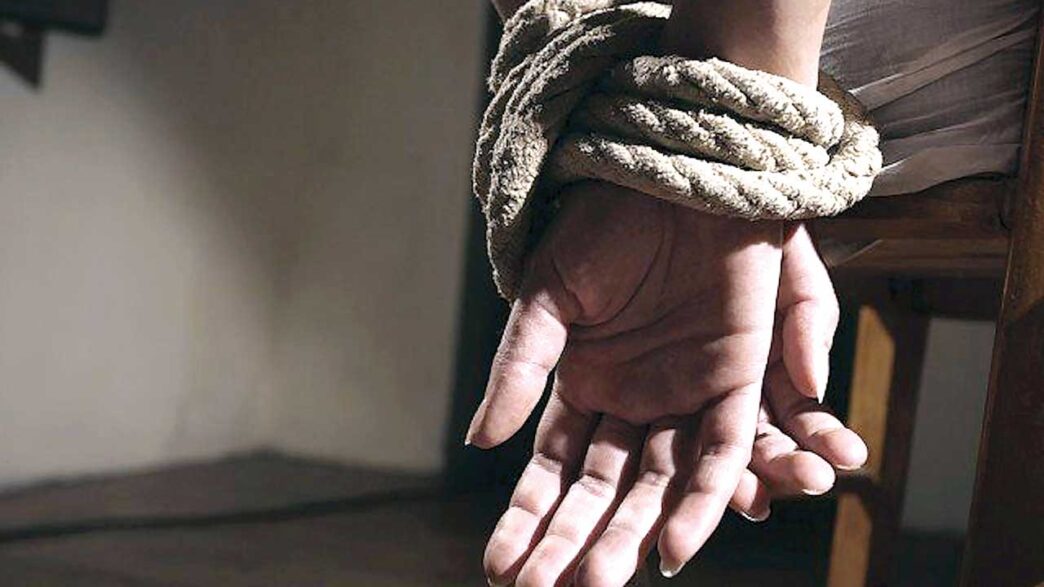
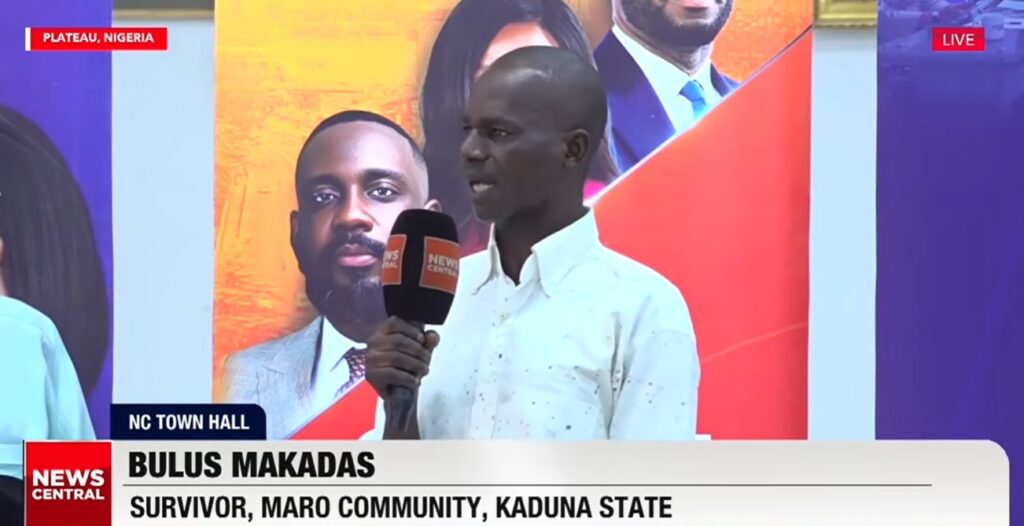
Bulus Makadas, a survivor of a terrorist attack and resident of the Maro community in Kaduna State, has revealed that some of the women who were abducted from the community and released from captivity returned to their homes pregnant.
Makadas, who spoke with News Central on Thursday during the Town Hall, themed, “The Middle Belt Question: Why Does The Violence Persist?”, said the abducted women were married before their abduction, but their husbands deserted them when they returned from captivity pregnant.
He also narrated an incident which occurred in July 2025 when terrorists stormed his community and abducted scores of people. He said many of them remain in captivity and appealed to the government to secure their release.
“While we were worshipping, the terrorists came and attacked. They killed some of them. Some tried to escape, but many were captured. And they’re still being held. I am pleading with the government to rescue them. While I was in Jos, I received news that some of the terrorists passed on bikes going into one of the locations in the village,” said Makadas.
“On July 3, 2025, some people were kidnapped, and some are still held. Some women were kidnapped and returned pregnant. They were married, but their husbands said they would not keep them as wives.”
The violence in northern Nigeria is complex and long-running. Analysts say the violence is driven by a mix of land pressure, ethnic tensions, and disputes between farming and herding communities.
Clashes between farmers and herders, especially involving pastoralist cattle herders and farming communities in states such as Plateau, Benue, Nasarawa, Kaduna, and parts of Taraba and Kogi, are common. These conflicts often revolve around access to land, grazing routes, and water.
There are also ethnic, religious and communal tensions. In states like Plateau State, long-standing grievances between different ethnic and religious communities have periodically erupted into violence.