Trending
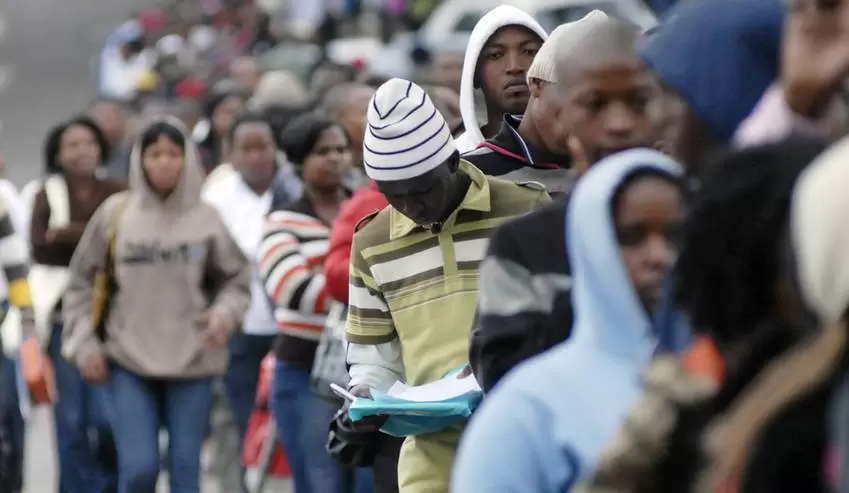
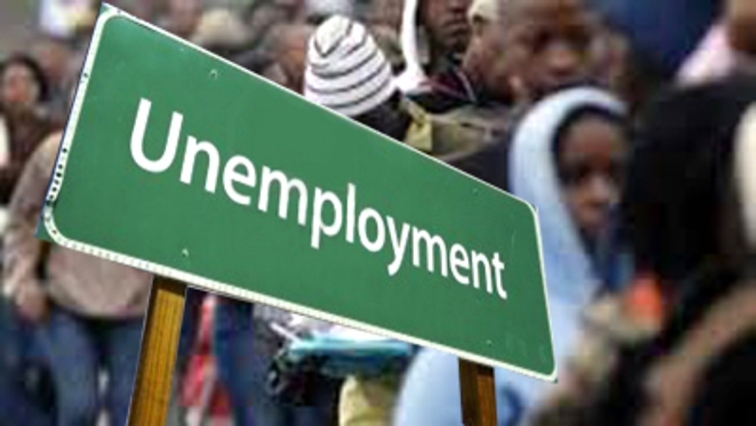
The promise of the “African Century” is currently facing its most gruelling test as the continent grapples with a youth unemployment surge that threatens to turn a demographic dividend into a disaster.
For millions, the cost of survival has shifted from a metaphor to a daily gamble.
Across the continent, statistics tell a story of stagnation; in South Africa, the unemployment rate hit 33.5 per cent in Q1 2026, with youth joblessness nearing 60 per cent.
Read More : From Ojuelegba Bridge to the Ballot Box
Meanwhile, in Nigeria, the combined rate of unemployment and underemployment reached 42 per cent as of March 2026.
Compounding this internal struggle is the volatile Middle East crisis, which has sent shockwaves through global markets and directly fuelled domestic inflation.
The closure of the Strait of Hormuz, a vital artery through which a fifth of the world’s oil flows, has caused energy prices to skyrocket.
This geopolitical chokehold led Brent crude to surge past $119 per barrel by late April 2026, its highest level in four years.
For African nations, this translates to higher transportation costs, more expensive food, and a crippling rise in the general cost of living.
In Egypt, this inflationary pressure saw food prices peak at 38 per cent in February 2026, stripping the purchasing power of the middle class and forcing young professionals into the informal economy just to eat.
In Kenya, the Silicon Savannah saw a contraction in tech startups by January 2026 as capital dried up amid global instability.
Similarly, Ghana’s public sector hiring remained frozen as of April 2026, closing the door on traditional paths to stability for thousands of university leavers who are now priced out of their own futures.
What makes 2026 different is this polycrisis, the convergence of soaring energy costs, regional conflict, and a mismatch between education and the job market.
When survival becomes the primary goal, young people opt for survivalist entrepreneurship, small-scale trading that yields immediate cash but zero long-term growth.
This hollows out the tax base and prevents states from funding the infrastructure needed to create sustainable jobs.
If African leadership fails to address these compounding pressures, they risk losing the trust of a generation that has simply run out of patience.