Trending
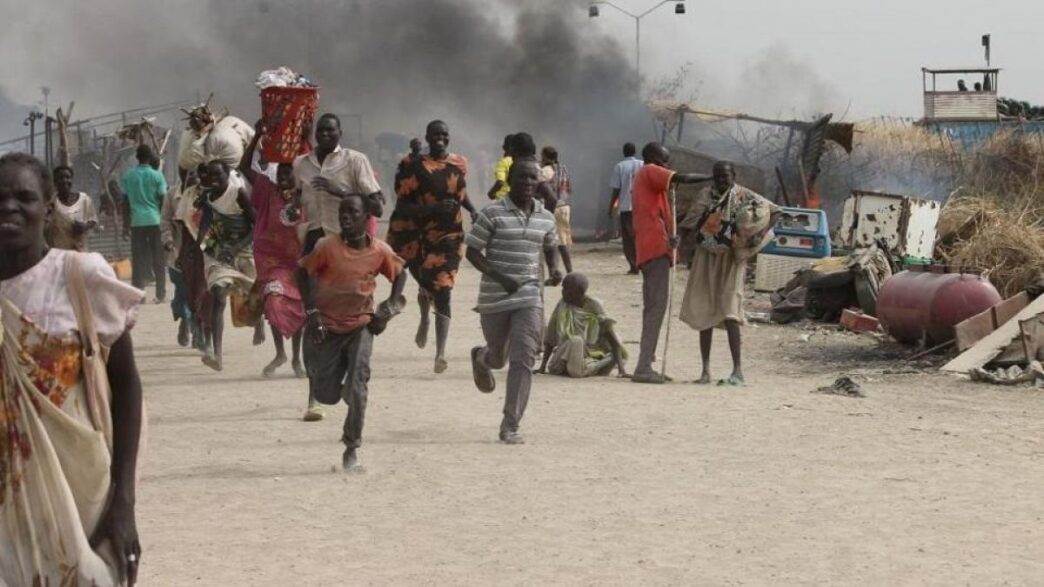
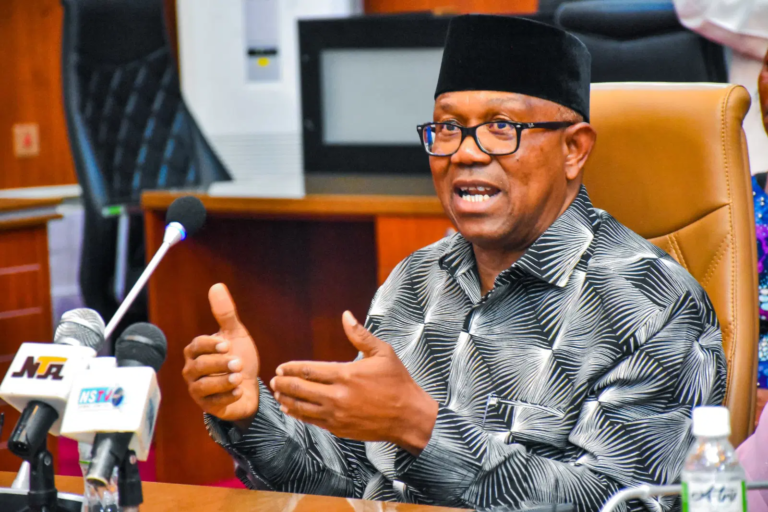
Doris Magaji, an advocate for survivors of violent attacks, has blamed the persistent attacks in northern Nigeria on what she described as a disconnect between the government and affected communities.
Magaji, while speaking during News Central TV’s Town Hall, themed “The Middle Belt Question: Why Does The Violence Persist?”, on Thursday, said the government is in denial of the persistent attacks.
“The government is in denial of the persistent attacks because government officials are not directly affected,” said Magaji.
Read More : Iran Claims Capture of US Underwater Drone
“Trust me when you wake up in the morning, and you hear a gunshot in your area. And you start to look for a place to hide; maybe you will take this issue seriously. This issue persists because of our individual interests. Because some people are financially benefiting, the lives of our people do not matter.”
She alleged that the local government chairman of Kachia had denied an attack in the region in which over 30 people were abducted. She also accused the chairman of sacking a councillor because he granted a media interview following a violent attack.
“Tell me why an attack will happen in Kachia and Kajuru local government, and the local government chairman will come out to deny it. 37 people were recently taken from Kachia. Five people were killed. The local government chairman came out to deny it,” Magaji claimed.

“We had to stand our ground and insisted that this issue had happened, and some of us received threats from him. The councillor representing our ward was removed from his portfolio. The chairman has no right to do that, but because of how injustice has eaten deep into our system, he was sacked for granting an interview to a media house.”
Magaji added that survivors and victims of attacks have lost trust in the security agencies. She questioned why communities in proximity to military bases would be attacked, and security operatives would arrive hours later.
“With due respect to our security agencies present, we have sort of lost trust in you people. Tell me why a community just 15 minutes from a military base is attacked, people are killed, and security operatives will not show up for hours.”
The violence in Northern Nigeria and the middle belt is complex and long-running. Analysts say the violence is driven by a mix of land pressure, ethnic tensions, and disputes between farming and herding communities.