Trending
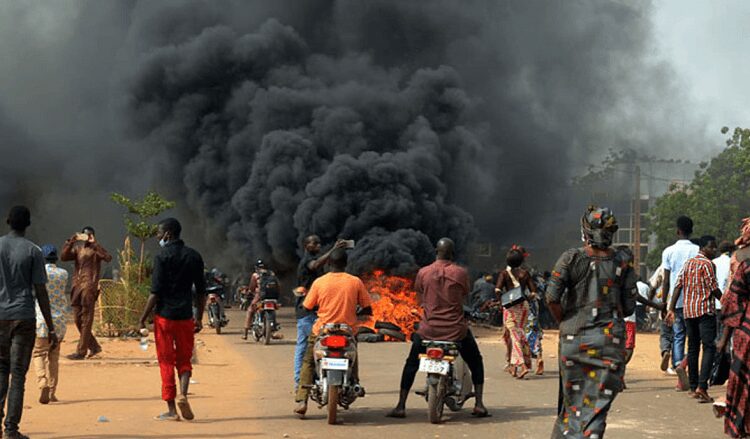
Lamu Idris, a Plateau State civil servant, has called for specialised intervention to address a “triple threat” of farmer-herder clashes, religious tension, and criminal theft fuelling regional instability.
Speaking at News Central TV’s Town Hall on Thursday, Idris urged the deployment of conflict management experts to provide counselling and bridge the deep social divides that have left both farmers and pastoralists destitute.
He warned that the total breakdown of law and order has not only crippled the local economy but has also replaced community life with a pervasive culture of fear.
Read More : Shettima Reiterates Calls For UN Reform
The human cost of this instability has been devastating for all ethnic groups in the state.
Idris noted that while the Fulani communities have seen their livelihoods destroyed through the loss of livestock, ethnic groups like the Berom have been stripped of their ancestral farmlands.
This economic paralysis is matched by a total collapse of social cohesion; Idris lamented that basic human interactions, such as weddings and community gatherings, are now overshadowed by the constant fear of sudden violence.
To move forward, Idris called on organisers and authorities to bring in professionals specialised in conflict resolution and management.
He argued that the community needs expert counselling and structured dialogue to bridge the widening gaps between feuding groups.
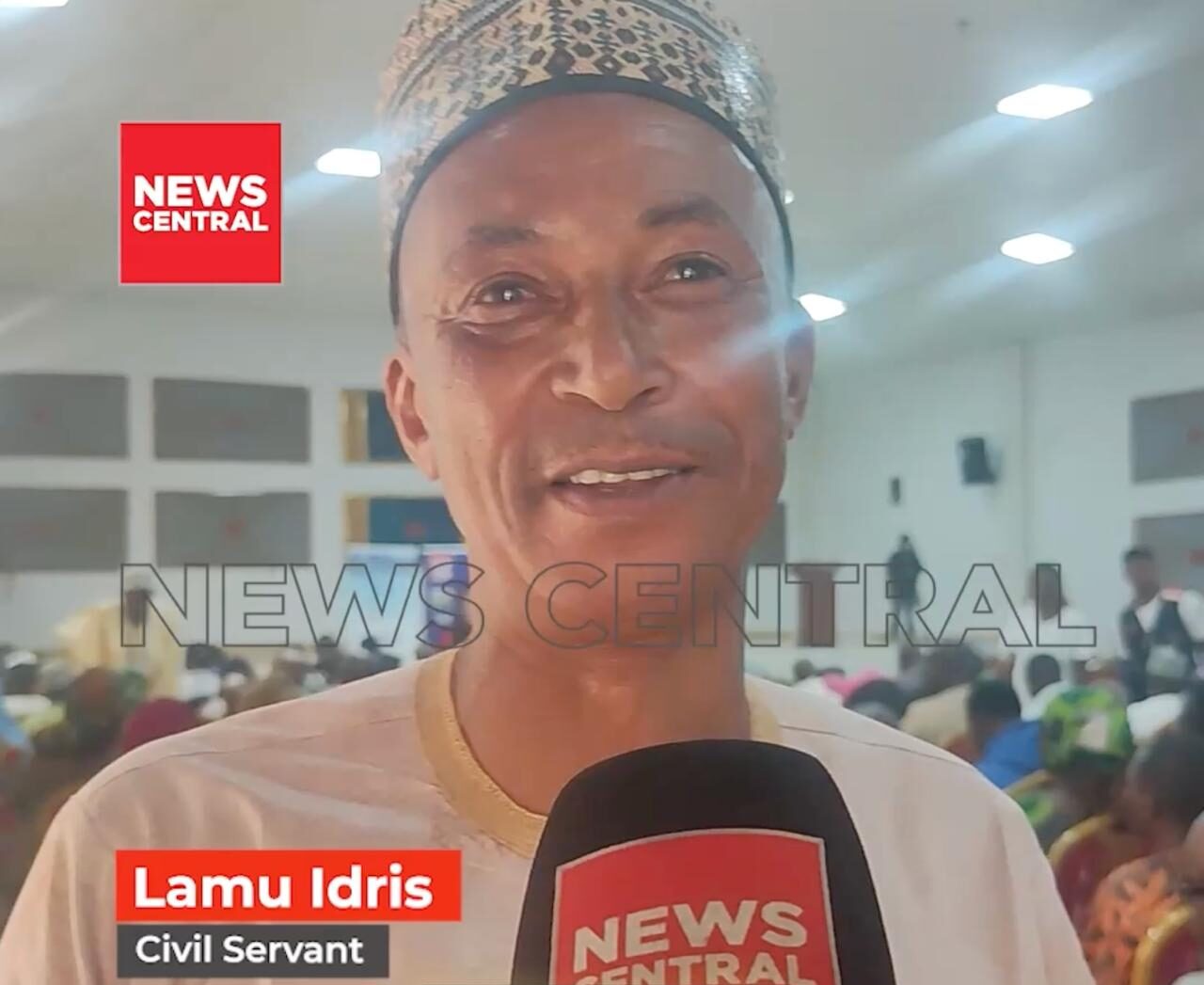
“When there is war, there is no law and order,” Idris warned, highlighting that the inability to safely tend to farms or move cattle has effectively frozen the state’s development.
Plateau State has been a historical flashpoint for communal violence in Nigeria’s Middle Belt.
Read More : Abia Arrests 86 Over Sanitation Violations
For decades, the region has struggled with cycles of reprisal attacks, often simplified as “religious wars,” though they are deeply rooted in competition for fertile land between nomadic pastoralists and sedentary farmers.
This “Jos crisis” has claimed thousands of lives over the years, leading to segregated neighbourhoods and a deeply fractured social landscape.
Despite various government peace committees, the underlying issues of land rights, justice for theft, and mutual trust remain significant hurdles to lasting stability.