Trending
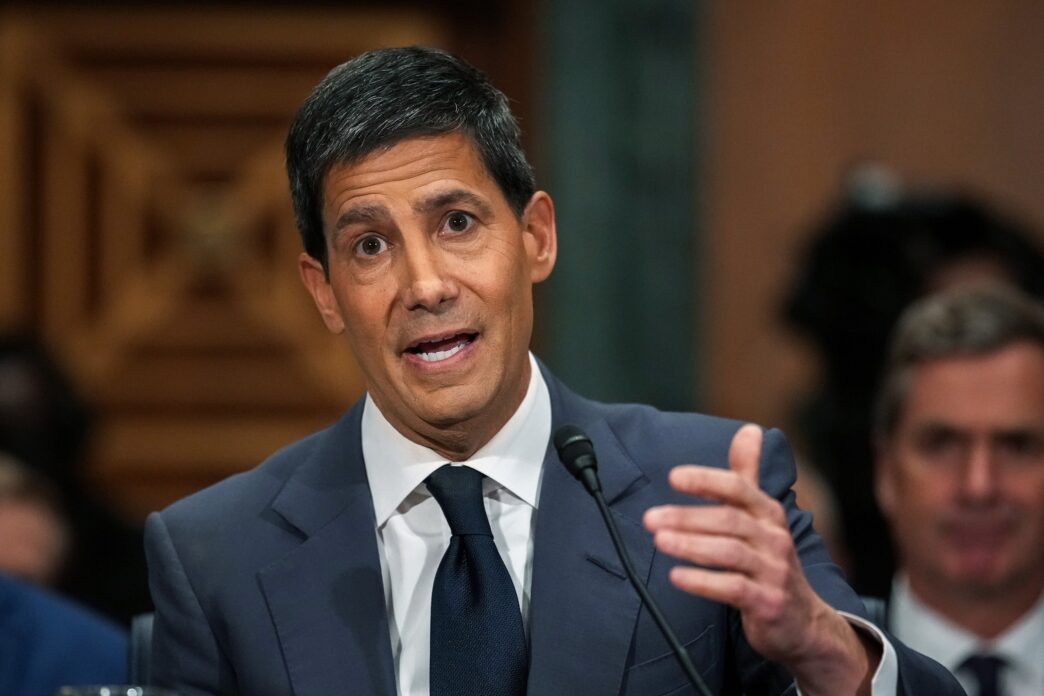
The United States Senate has confirmed Kevin Warsh as the new chairman of the Federal Reserve, placing him at the helm of the US central bank at a time of rising inflation and growing political pressure from President Donald Trump.
Warsh was confirmed by a 54-45 vote, with Republicans securing approval for Trump’s nominee to succeed former Fed chair Jerome Powell.
The new Federal Reserve chairman, who will serve a four-year term, assumes office as debates intensify over interest rate policy and the central bank’s independence.
Read More : Trump Expects US-Iran Talks to Resume This Week
Previously regarded as a strong advocate of tighter monetary policy to combat inflation, Warsh has recently aligned more closely with Trump’s calls for lower interest rates.
He has also criticised the Federal Reserve’s operations, arguing that the institution has become overly political and too transparent in its communication of policy decisions.
Despite expectations from the White House for lower rates, analysts say Warsh could face difficulty convincing policymakers at the Fed to cut rates immediately, especially with inflation remaining above the bank’s long-term two percent target.
Inflation in the United States rose to 3.8 percent in April, partly driven by higher energy prices linked to the US-Iran conflict.
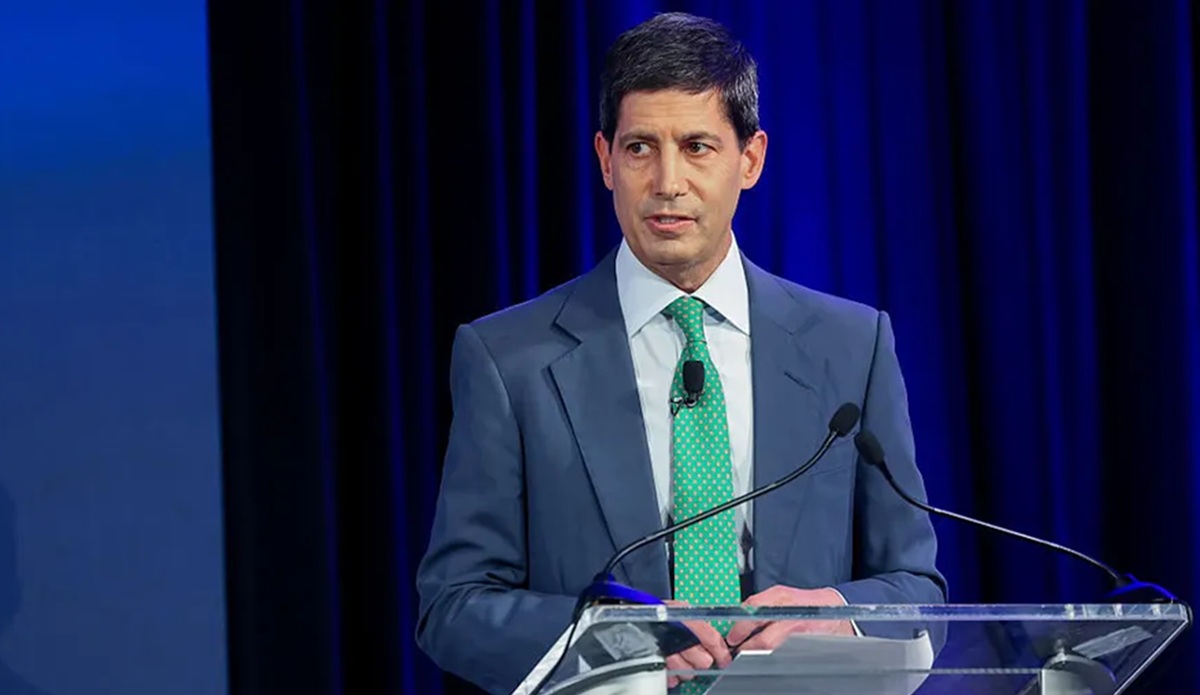
Economic analysts say Warsh’s leadership could place him in a delicate position between pressure from the White House and divisions within the Federal Reserve’s rate-setting committee.
David Wessel, a senior fellow at the Brookings Institution, said Warsh’s biggest challenge may be managing relations with Trump, noting that the president has consistently pushed for lower interest rates and openly criticised the Fed’s independence.
“Warsh’s biggest challenge will likely be dealing with President Trump,” said Wessel.
“The president does not respect the independence of the Fed and he wants interest rates to be lower.”
Concerns over political pressure on the central bank have intensified in recent months following investigations and disputes involving senior Fed officials.
Earlier this year, Powell said a Justice Department investigation linked to renovation costs at the Federal Reserve appeared designed to influence monetary policy discussions.
The Trump administration also attempted to remove Fed Governor Lisa Cook from the board, although the legality of the move remains before the Supreme Court.
Legal scholar Kathryn Judge described the developments as unprecedented and warned that Federal Reserve officials are now operating under heightened political pressure.
Warsh takes office as the US economy continues to face inflationary pressures, weak job growth and uncertainty linked to labour shortages and global instability.
Read More : UK Police Foil Terror Attack on US Base
The Federal Reserve also remains divided internally over whether interest rates should rise further to combat inflation or be reduced to support economic growth.
US Treasury Secretary Scott Bessent welcomed Warsh’s confirmation, saying his leadership would usher in what he described as a new era for the Federal Reserve.
Democrats opposed the nomination, arguing that Trump’s repeated attacks on the central bank raised concerns about its independence.