Trending
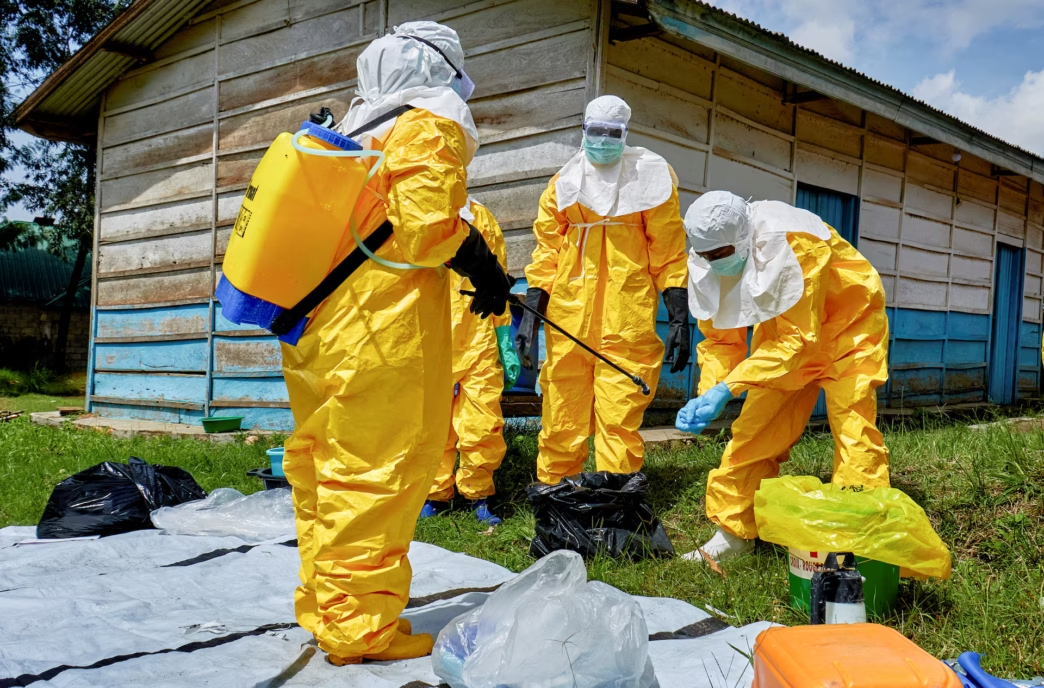
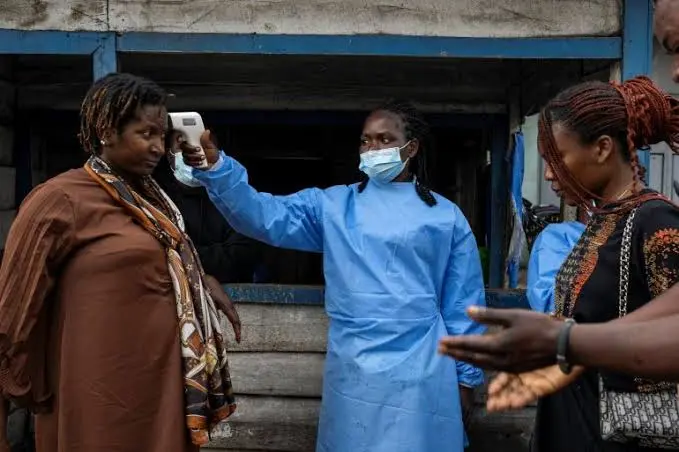
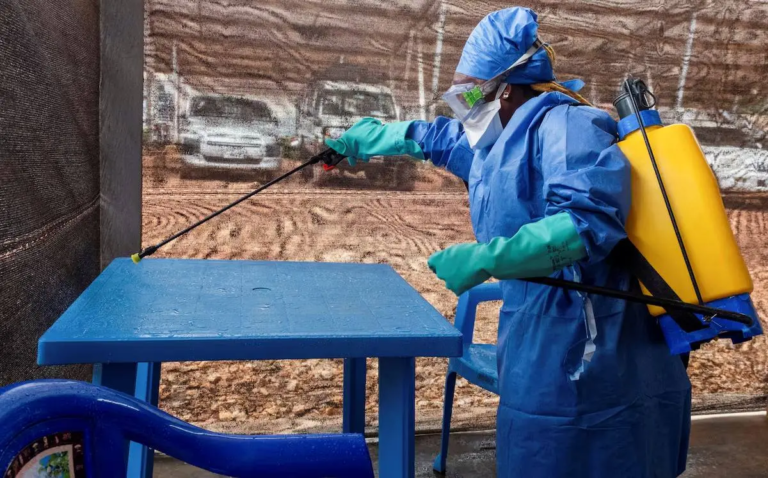
The World Health Organisation (WHO) has elevated the national risk level of the current Ebola outbreak in the Democratic Republic of Congo to “very high.”
This urgent reclassification follows the agency’s recent declaration of the situation as an emergency of international concern.
The surge in concern is driven by the rapid transmission potential of the rare Bundibugyo strain, for which there is currently no approved vaccine or targeted treatment, fundamentally shifting the dynamics of the regional medical response.
Read More : WHO: DR Congo Ebola Vaccine Trial to Start Soon
According to the latest figures, health officials have confirmed 82 cases and seven deaths within the country, though suspected cases have climbed to nearly 750 alongside 177 suspected deaths.
The virus has also breached borders, with neighbouring Uganda confirming two cases from travellers arriving from the DRC, resulting in one fatality.
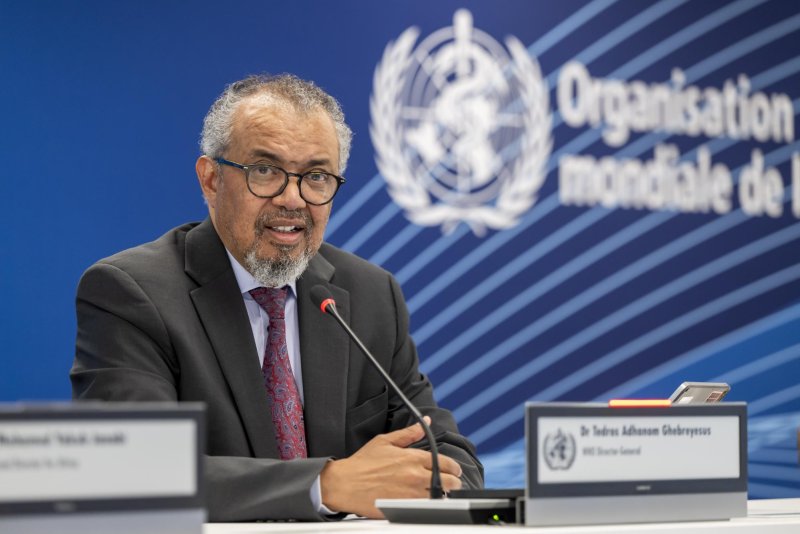
However, intense contact tracing and the proactive cancellation of mass gatherings have successfully stabilised the situation on the Ugandan side.
The crisis has also impacted international aid workers, with one American national evacuated to Germany for specialised care and a second transferred to the Czech Republic following high-risk exposure.
Read More : Kabila Joins Forces With M23 Armed Group
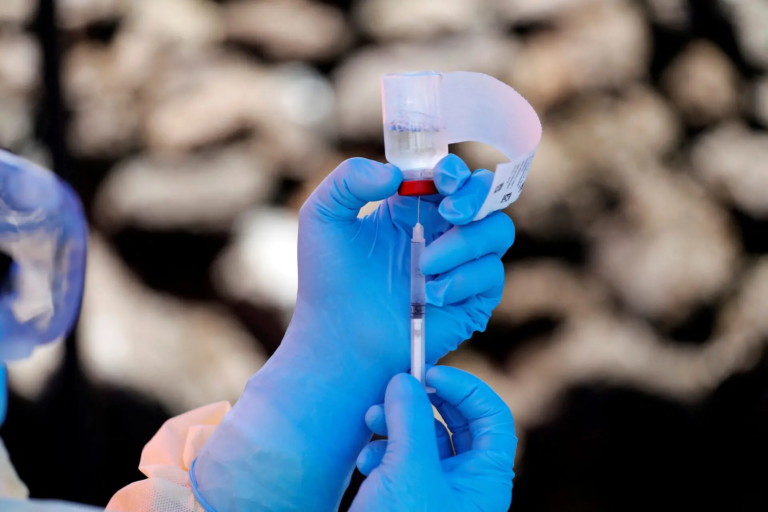
In a bid to halt further transmission, the WHO is exploring the use of an experimental oral antiviral drug, Obeldesivir, under a strict protocol to prevent exposed contacts from developing full-blown symptoms.
Global health officials acknowledge they are in a race against time, as surveillance data suggests the outbreak quietly began two months before it was officially detected.
While improved tracking mechanisms are finally identifying more cases, authorities warn that the virus is still actively transmitting and that local case numbers will inevitably continue to rise as emergency teams work to contain the spread.