Trending
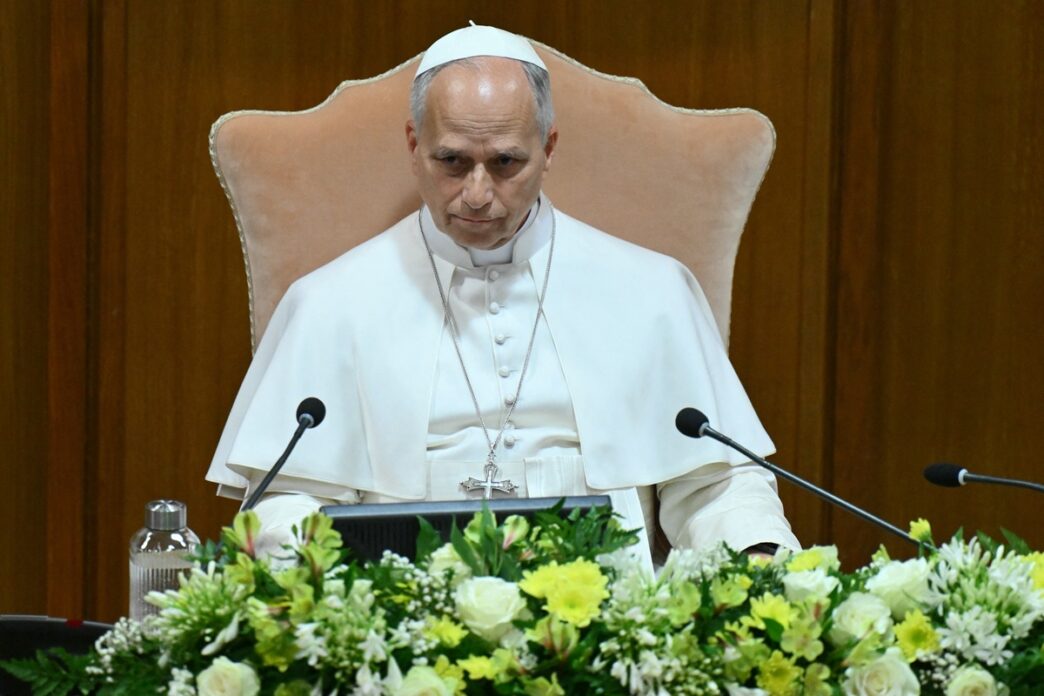
Pope Leo XIV has called for the “disarming” of artificial intelligence on Monday in his long-awaited manifesto on the rapidly developing technology, warning of “new forms of slavery” behind its rise.
In his first encyclical, “Magnifica Humanitas” (Magnificent Humanity), the pope wrote that the “just war” theory, espoused recently by the Trump administration, was “outdated” and that “no algorithm can make war morally acceptable.”
The first US pope, who has clashed with the White House over the Iran war and its use of religion to justify conflict, sounded the alarm over AI-directed weaponry.
It was “not permissible to entrust lethal” decisions to tech, Leo wrote.
“Disarming AI means freeing it from the mentality of ‘armed’ competition,” the pope wrote in the encyclical, which he presented in person at the Vatican alongside AI experts, including the co-founder of US giant Anthropic.
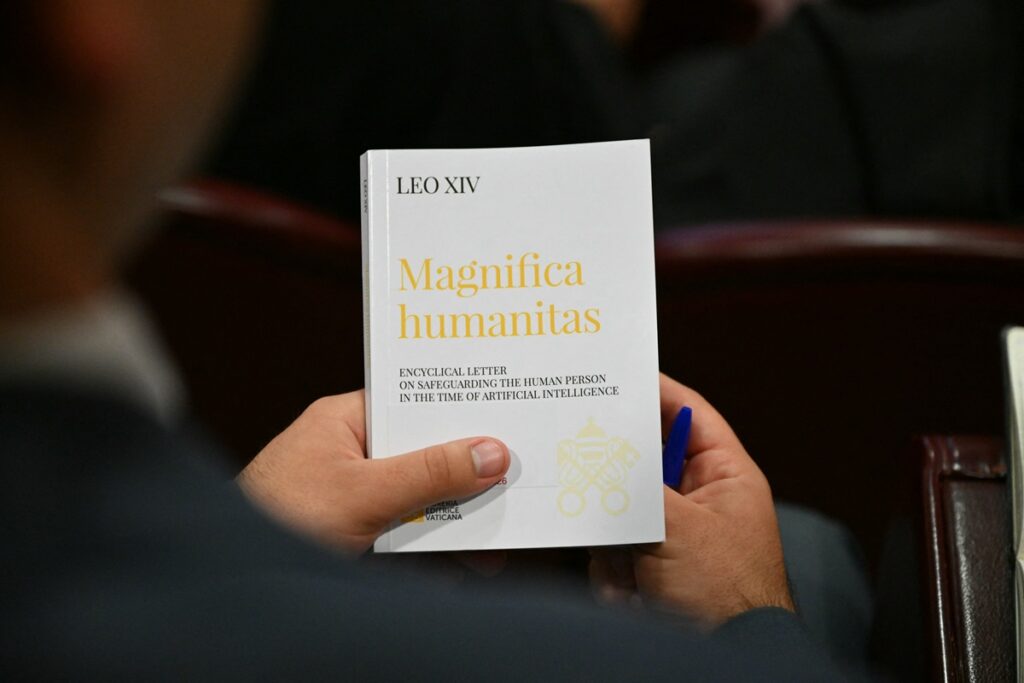
He slammed “a race for ever more powerful algorithms and larger datasets, driven by the desire to secure geopolitical or commercial dominance.”
“To disarm does not mean rejecting technology, but preventing it from dominating humanity,” Leo wrote.
AI should be “human-friendly,” accessible to all and opened to discussion and debate, he added.
Leo warned of new forms of slavery fuelling the technological revolution, noting that “nothing in the world of AI is immaterial or magical.”
Read More : Gunmen Kill Six in Plateau
“Every seemingly immediate and flawless response… relies on the silent work of millions of people,” from content moderators forced to watch disturbing material, to children who extract the rare earth elements on which AI depends.
They are “scarred, injured and worn down so that computational flow may continue uninterruptedly,” he wrote.
Greater efficiency or innovation did not excuse “a chain of exploitation that remains deliberately hidden,” he said, while more must be done to reduce AI’s environmental impact.