Trending
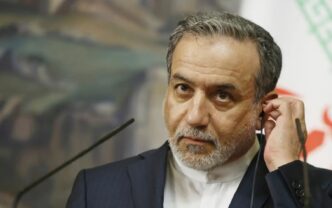
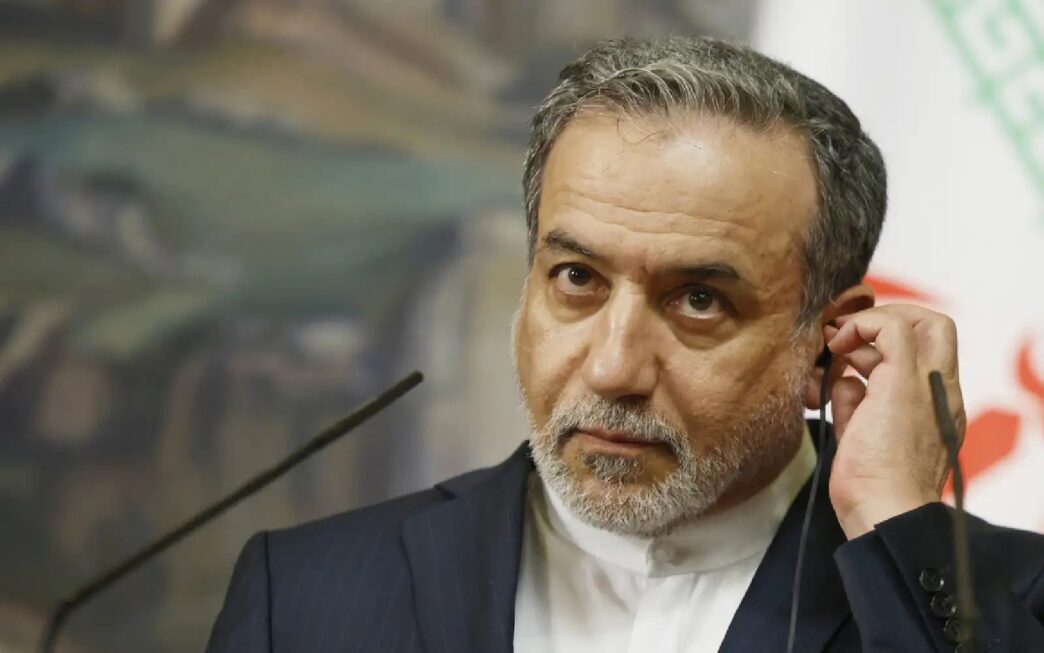
Iran announced on Wednesday that it views a return to war with the United States as highly unlikely, even as structural sticking points continue to stall negotiations over the blockaded Strait of Hormuz.
Senior Iranian Revolutionary Guards official Mohammad Akbarzadeh declared the possibility of renewed conflict “low” due to what he termed “the enemy’s weakness,” asserting that Tehran’s armed forces remain fully prepared with loaded magazines.
The statement, along with growing hopes for a diplomatic peace deal to reopen the vital trade route, instantly sent global oil prices tumbling by more than five per cent.
Optimism initially surged after Iranian state television reported that a draft framework required Washington to lift its naval blockade, restore maritime traffic, and withdraw American forces from the Gulf region.
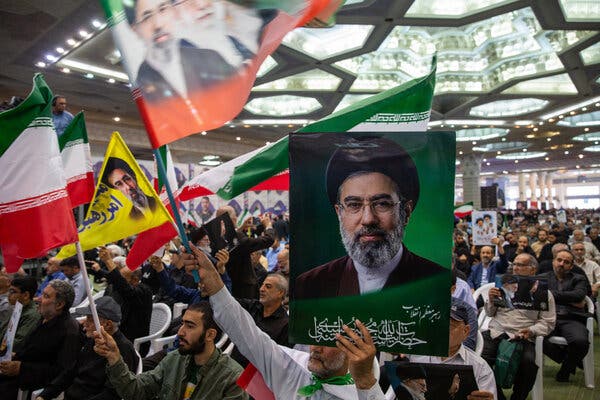
However, the White House aggressively pushed back on X, branding the reported agreement a complete fabrication and warning the global public to disregard Iranian state media.
The diplomatic clash follows recent U.S. “self-defence strikes” against Iranian missile sites and mine-laying boats, which prompted Akbarzadeh to warn that Iran would turn its coast into a graveyard for aggressors.
While Pakistan leads mediation efforts to resolve the standoff, neither nation seems ready to compromise on core issues like Iran’s nuclear programme or control of the shipping lane.
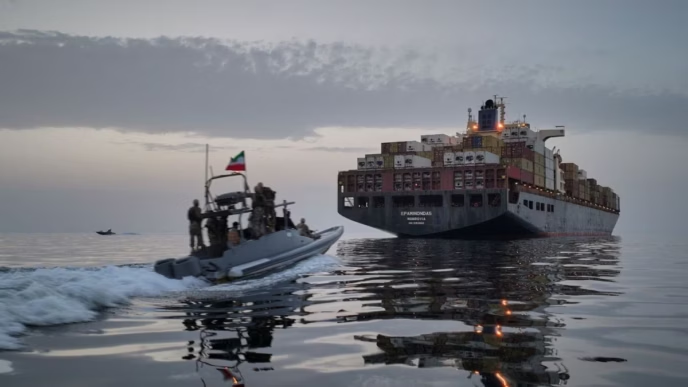
The Revolutionary Guards’ navy reiterated that only vessels adhering to Iranian orders may pass, directly challenging U.S. Secretary of State Marco Rubio’s assertion that the strait would reopen one way or the other.
Meanwhile, the conflict’s secondary front escalated violently as Israel launched massive air and ground strikes deeper into Lebanon against Hezbollah, defying the unravelling regional truce and keeping local populations on high alert for renewed missile strikes.