Trending
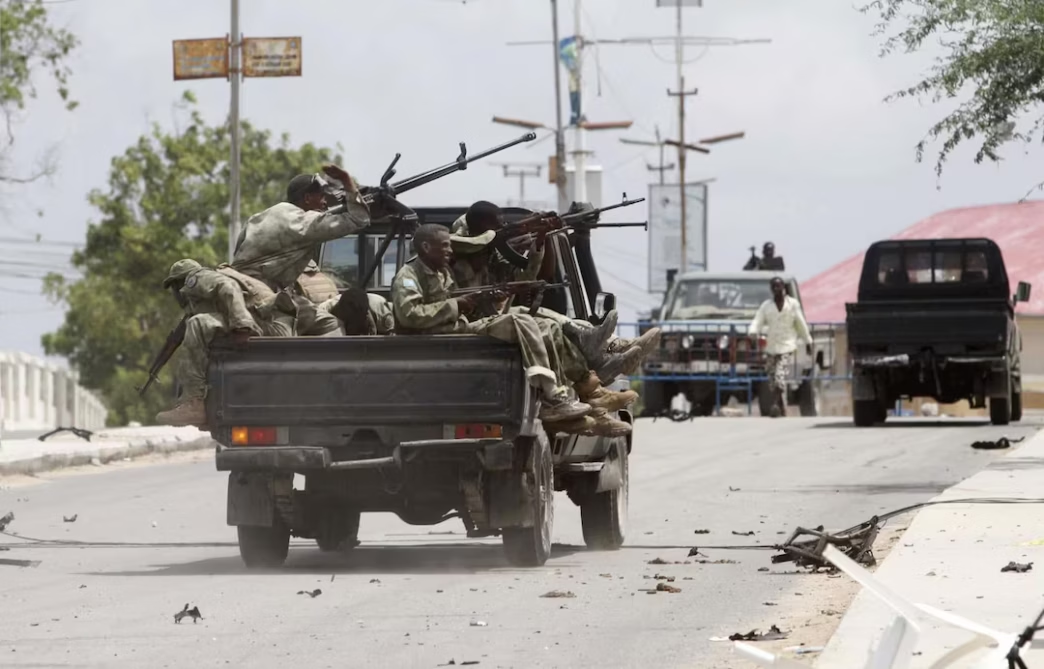
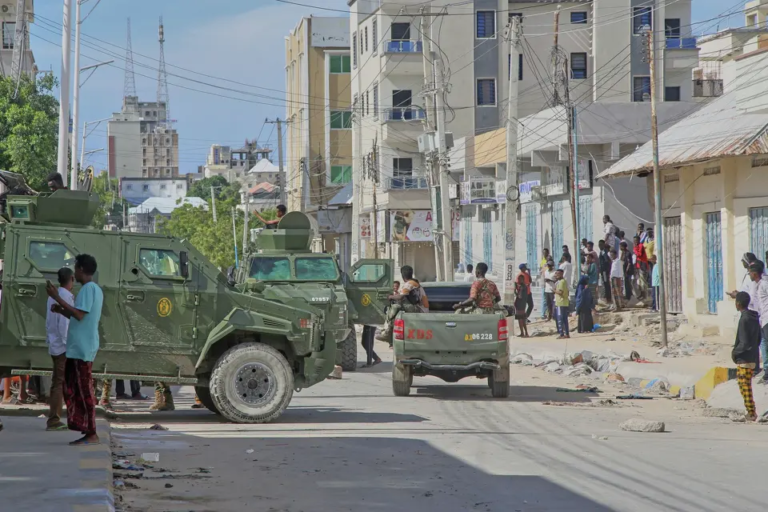
Fighters loyal to the ousted South West State leader, Abdiaziz Hassan Mohamed Laftagareen, clashed with government troops on Saturday in the southern Somali city of Baidoa, leaving several people dead.
The heavy fighting in the capital of the South West State erupted months after the national army removed the state’s former president from power in March.
Baidoa’s police chief, Sadiq Dudishe, confirmed that security forces successfully repelled the armed elements who entered the city to create disorder, noting that calm has now returned to the area.
Read More : Somali Pirates Briefly Seize Ship off Yemen
The battle resulted in multiple casualties among both combatants and residents.
Military commander Hussein Ali reported that his forces counted approximately six bodies of the attackers, whom he described as young men exploited by politicians.
A resident, Mohamud Ibrahim, also witnessed the bodies of four combatants and two civilians killed by stray bullets.
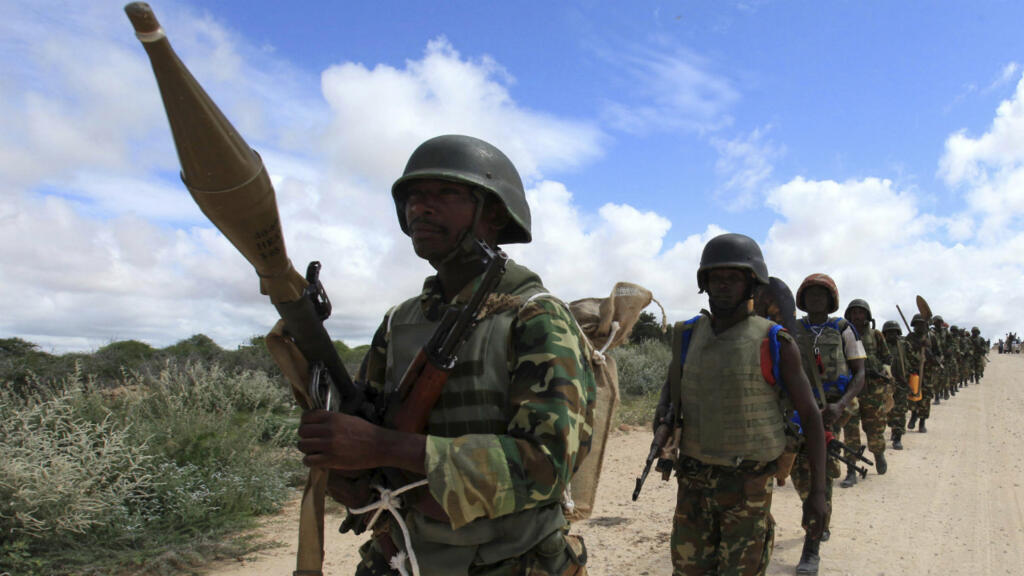
Ibrahim noted that the pro-Laftagareen militia briefly seized control of several city districts before government troops forced them to withdraw.
Local authorities stated that the militia launched the attack just as officials prepared to swear in newly elected members of the state legislature following the May 10 votes.
The political violence stems from Laftagareen’s fierce opposition to constitutional reforms adopted in early March.
These reforms extend the national presidential mandate from four to five years and introduce universal suffrage, moving the country away from a traditional indirect voting system heavily dominated by clan elders.
Read More : Pirates Hijack Cargo Ship Off Somali Coast
The clashes highlight deep national tensions as Somali President Hassan Sheikh Mohamud attempts to transition the fractured country toward democratic elections.
Although Mohamud’s own mandate ended on May 15 without a successor agreement, the government maintains it is operating in a transitional period.
Deep divisions among rival clans and widespread territorial control by the insurgent group Al-Shabaab continue to stall election progress outside a few localised pockets.