Trending

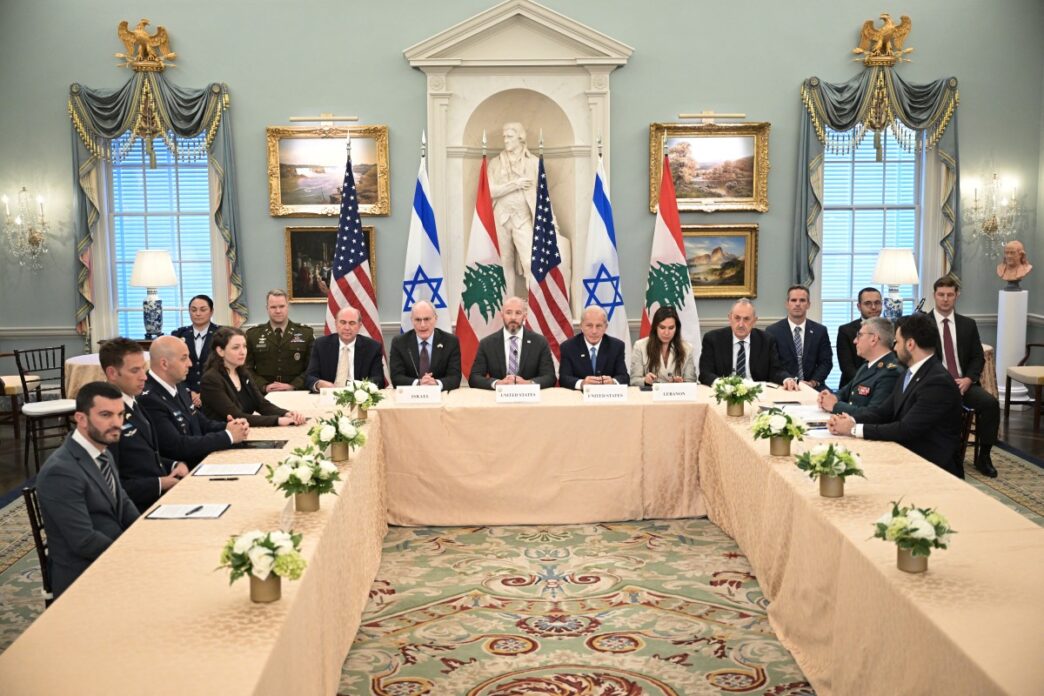
Israel and Lebanon have reached a conditional agreement to implement a ceasefire, contingent on a “complete cessation” of fire by Iran-backed Hezbollah, according to a joint statement released following US-led talks in Washington on Wednesday.
The two nations, which lack formal diplomatic relations, also committed to creating “pilot zones” in southern Lebanon, where the Lebanese armed forces will exercise exclusive control, excluding all non-state actors.
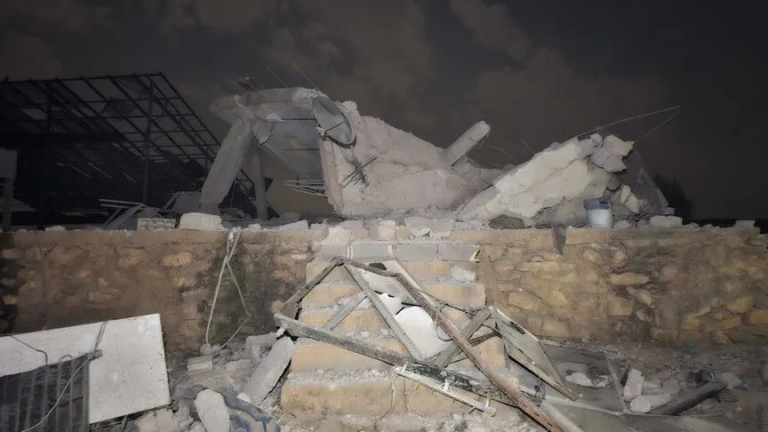
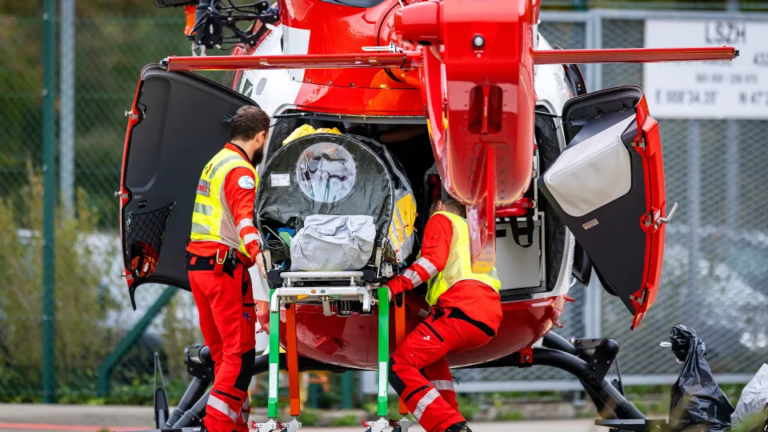
The agreement comes amid ongoing hostilities. Hezbollah reported targeting Israeli troops, while Israeli strikes killed at least ten people in southern Lebanon, including four Syrians, two Palestinians, and three paramedics, according to the Lebanese health ministry.
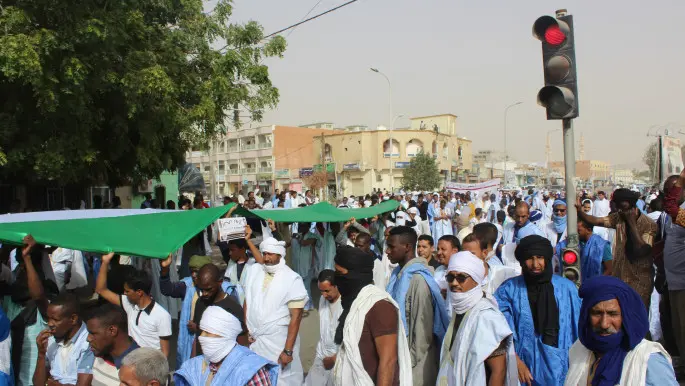
Read More : Mauritania Students Protest Transport Fare Hike
Images circulated by the ministry showed one ambulance, affiliated with the Risala Scouts Association, severely damaged with medical supplies scattered on the road. Lebanon’s army confirmed a soldier was killed and others wounded, denouncing what it called Israel’s “deliberate targeting of army personnel, vehicles and positions.”
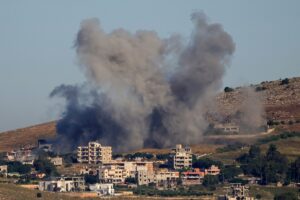
Just hours after the announcement, northern Israel sounded air raid alarms after identifying a “suspicious aerial target,” though no casualties were reported. The Israeli military said it intercepted a hostile aircraft and two projectiles crossing from Lebanon.
Hezbollah, in turn, claimed it had fired rockets and deployed drones targeting Israeli positions in southern Lebanon, including near Chqif Castle and the town of Al-Qantara, asserting the attacks were in response to Israeli violations.
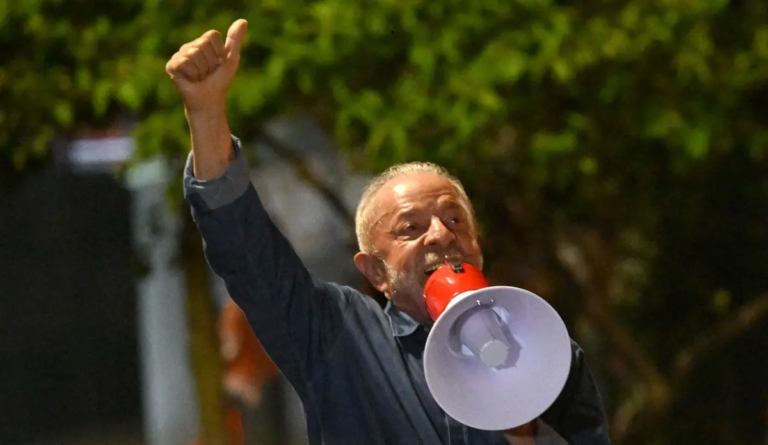
Read More : Brazil’s Lula Turns 81, Vows 24-Hour Workday
The talks in Washington were the fourth round of direct diplomacy since March 2, when Hezbollah renewed attacks on Israel in support of Iran. The statement confirmed both sides will meet again the week of June 22 “with a view toward reaching a comprehensive agreement.”
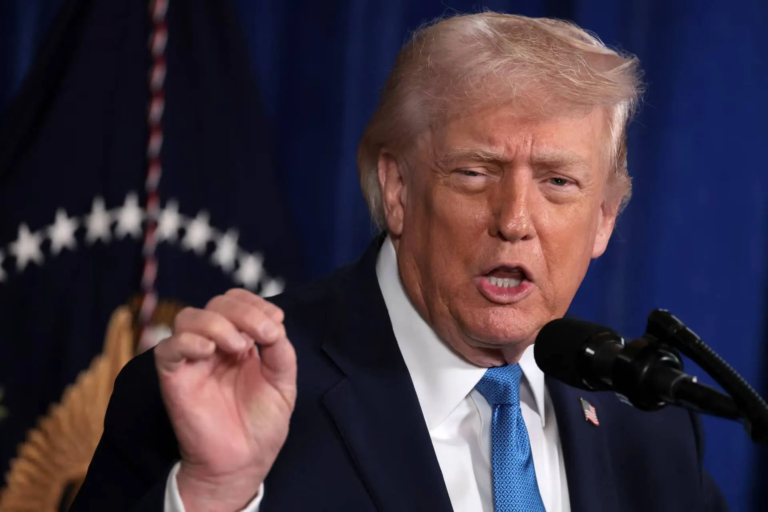
US President Donald Trump emphasised separating these talks from broader US-Iran discussions, while Iran’s Foreign Minister Abbas Araghchi warned that any attack on Beirut could trigger a “full-scale resumption” of war.
The fragile ceasefire underscores the difficulty of halting the cycle of violence, with both sides accusing the other of violations and at least 130 emergency and health workers killed since the fighting began.