Trending

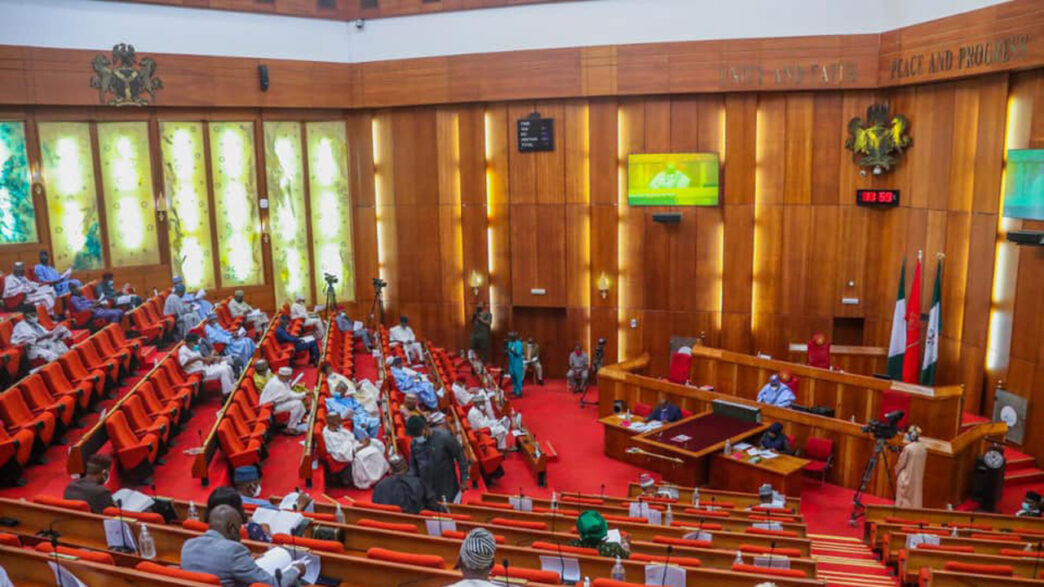
The upper chamber of Nigeria’s bicameral legislature, the Senate, has approved a new excise duty regime on sugar-sweetened beverages.
Under the new framework, the existing N10-per-litre excise duty will be replaced with a percentage-based levy tied to retail prices. The exact rate will be determined by the Minister of Finance, in line with global best practices.
The decision followed the consideration and adoption of a report by the Joint Committee on Finance and Customs, Excise and Tariff on the Customs, Excise Tariff, etc. (Amendment) Bill during plenary.
Presenting the report, Chairman of the Senate Committee on Finance, Sani Musa, said the current flat-rate tax has been eroded by inflation and is no longer sufficient to discourage excessive consumption or generate meaningful fiscal impact.
Musa also raised concerns over the rising prevalence of non-communicable diseases such as diabetes, obesity, hypertension, and cardiovascular conditions, which are increasingly linked to high sugar consumption and unhealthy dietary habits.
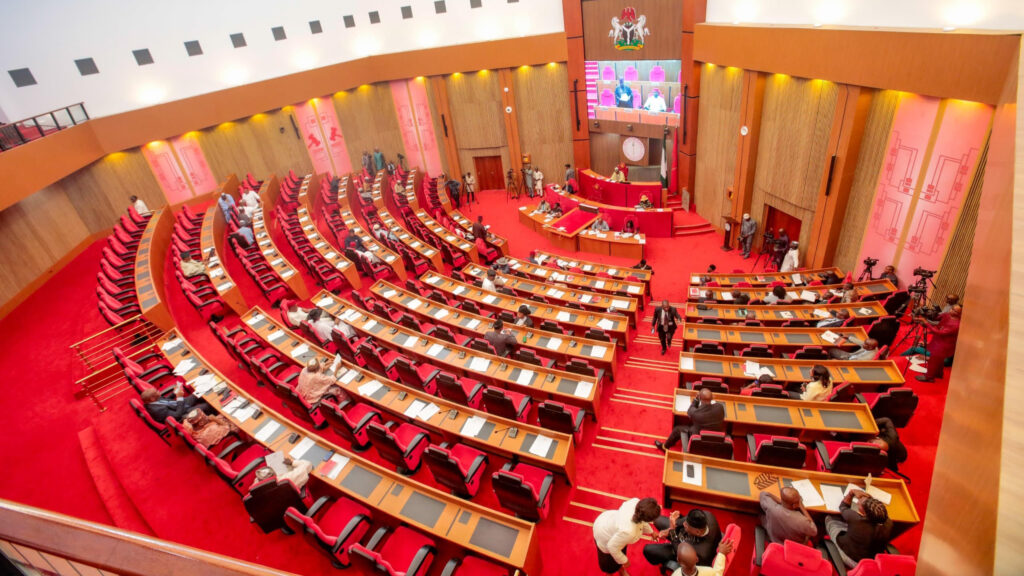
Credit: The SUN
The Senate directed the Minister of Finance to determine an appropriate levy structure consistent with global standards and ensure that implementation aligns with Nigeria’s broader health and fiscal objectives.
It also recommended stronger enforcement of excise collection, continuous stakeholder engagement, and complementary measures such as nutrition awareness campaigns.
Why This Matters
Nigeria is one of the largest consumers of sugar in Africa, with annual consumption estimated at about 1.8 million metric tonnes.
More than 90 per cent of this demand is met through imported raw sugar, which is refined locally by major industry players such as Dangote Sugar Refinery and Golden Penny.
Health experts warn that high sugar consumption, particularly from ultra-processed foods and beverages, is driving a rise in lifestyle-related diseases, including diabetes, obesity, hypertension, and cardiovascular conditions.
These conditions are already widespread in the country. Estimates suggest that about 8 per cent of Nigerians live with diabetes—roughly 18 million people—while hypertension affects at least 40 per cent of adults nationwide.