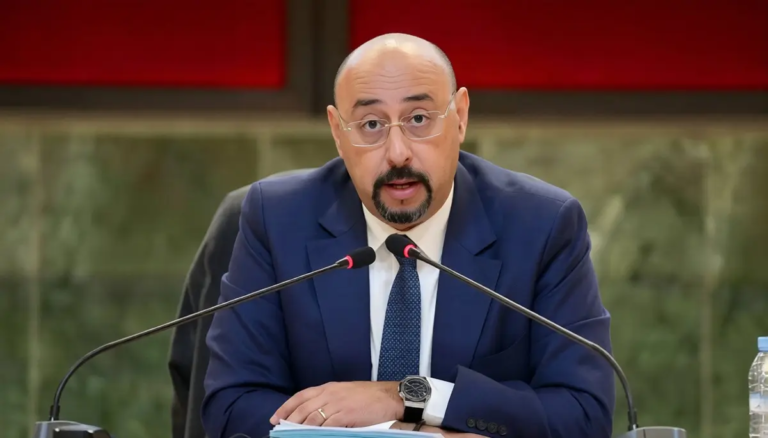
Department of State Services (DSS). Credit: The Guardian Nigeria News.
The Department of State Services (DSS) on Thursday urged the House of Representatives to remove provisions allowing international organisations to fund its proposed Security Trust Fund, warning that such contributions could compromise national security and expose sensitive intelligence operations to external influence.
The DSS made its position during a public hearing organised by the House Committee on National Security and Intelligence on bills to strengthen the operational capacity of Nigeria’s domestic intelligence agency through improved funding, training and research.
Credit: NewsCentral TV
Represented by Emmanuel Duabry, the DSS supported the establishment of the Trust Fund but recommended major amendments, including the removal of clauses permitting grants, donations and endowments from international organisations.
Duabry argued that foreign funding could threaten sovereignty and operational confidentiality.
“Allowing foreign funding for a security-related Trust Fund raises serious concerns relating to sovereignty, operational confidentiality, and institutional independence,” he said.
He added that such arrangements could introduce external influence over Nigeria’s internal security priorities, particularly in addressing insurgency, banditry and kidnapping.
The DSS recommended that the fund should only receive contributions from local organisations.
Despite its concerns, the agency described the proposed legislation as a positive step towards strengthening intelligence operations through sustainable financing, improved equipment, and faster response to security threats.
It said the fund would support intelligence gathering, counterterrorism operations, and emergency response while reducing delays associated with traditional budget processes.
The Service also proposed changes to the funding structure, recommending a clearer formula or fixed percentage allocation to ensure stable long-term planning.
On governance, the DSS suggested revisions to the composition of the proposed board, questioning the inclusion of the Nigerian Governors’ Forum and calling for legal representation through the Nigerian Bar Association.
It also recommended that the board secretary should be appointed by the President and be a serving or retired DSS officer with legal qualifications and at least 10 years post-call experience.
The agency further proposed that board members should be allowed to resign by written notice to the President, while the President should have powers to remove members for misconduct or incompetence.
However, the DSS urged lawmakers to pass the bill, describing it as vital to strengthening national security capacity.
“The bill represents a significant and commendable effort to strengthen the operational capacity of the Service through sustainable funding mechanisms,” it said.
The agency also raised concerns over another bill proposing a Strategic Intelligence Management Institute, warning that it overlaps with the National Institute for Security Studies established in 2019.
It recommended restructuring the proposed institute to focus exclusively on external intelligence and international cooperation to avoid duplication.
The House Committee on National Security and Intelligence, led by Ahmed Satomi, said the bills aim to improve funding, training, and indigenous technological capacity within Nigeria’s intelligence system.
He stressed that the public hearing was part of a democratic legislative process designed to gather expert input.
Speaker of the House of Representatives, Abbas Tajudeen, represented by House Leader Prof Julius Ihonvbere, also said national security remains central to Nigeria’s development, calling for stronger investment in intelligence and innovation.
Toyibat is a highly motivated Mass Communication major and results-oriented professional with a robust foundation in media, education, and communication. Leveraging years of hands-on experience in journalism, she has honed her ability to craft compelling narratives, conduct thorough research, and deliver accurate and engaging content that resonates with diverse audiences.
Weekly roundups. Sharp analysis. Zero noise. The NewsCentral TV Newsletter delivers the headlines that matter—straight to your inbox, keeping you updated regularly.
 Trending