Trending
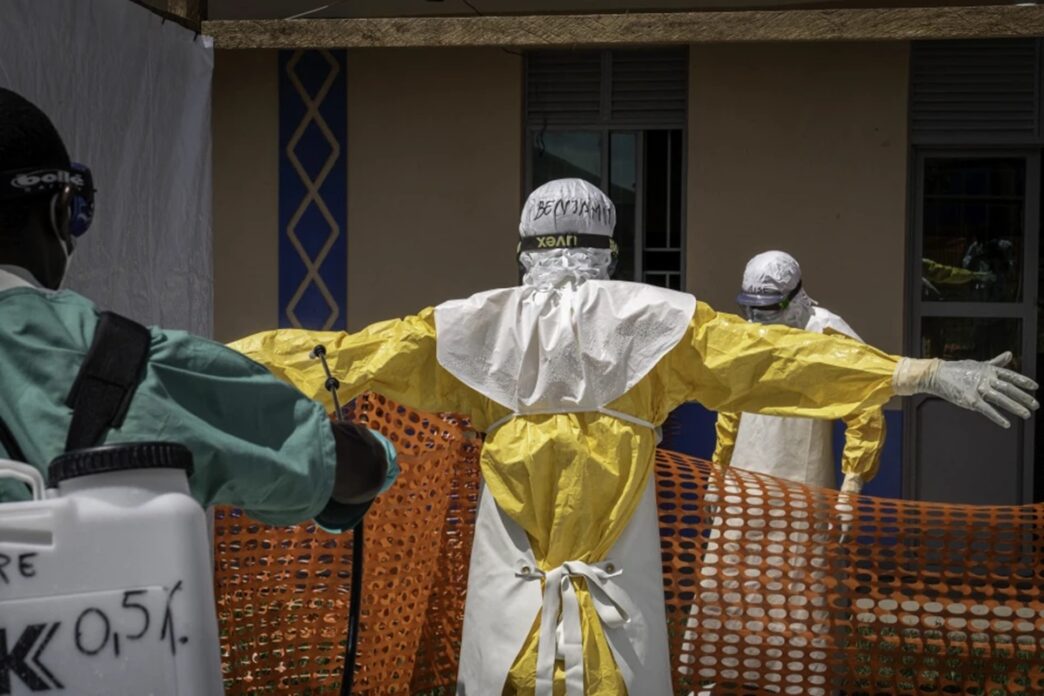
The Ebola outbreak in eastern Democratic Republic of Congo has crossed a grim milestone, with confirmed infections surpassing 1,000 and the death toll rising to 254, health authorities said. Efforts to track and monitor people who may have been exposed to the virus continue to face significant obstacles.
According to Congo’s Ministry of Health, the number of confirmed cases has reached 1,003 since the outbreak was officially declared on May 15. While 100 people have recovered, at least 365 patients remain hospitalised or in isolation facilities across the affected region, particularly in Ituri province.
The outbreak, driven by the rare Bundibugyo strain of Ebola, has become the deadliest in its first month. Unlike some other Ebola strains, there are currently no approved vaccines or treatments for Bundibugyo, raising concerns among health experts. Authorities have also acknowledged that the true scale of the outbreak may be far greater than current figures suggest, with the worst period potentially still ahead.
Read More : Surging Ebola Outbreak Overwhelms Congo
One of the biggest challenges remains contact tracing. Health officials say they have been able to monitor only about 55 per cent of people believed to have been exposed to the virus.
Authorities are also still searching for the outbreak’s patient zero while attempting to trace more than 35,000 individuals who had contact with infected persons as of last week.
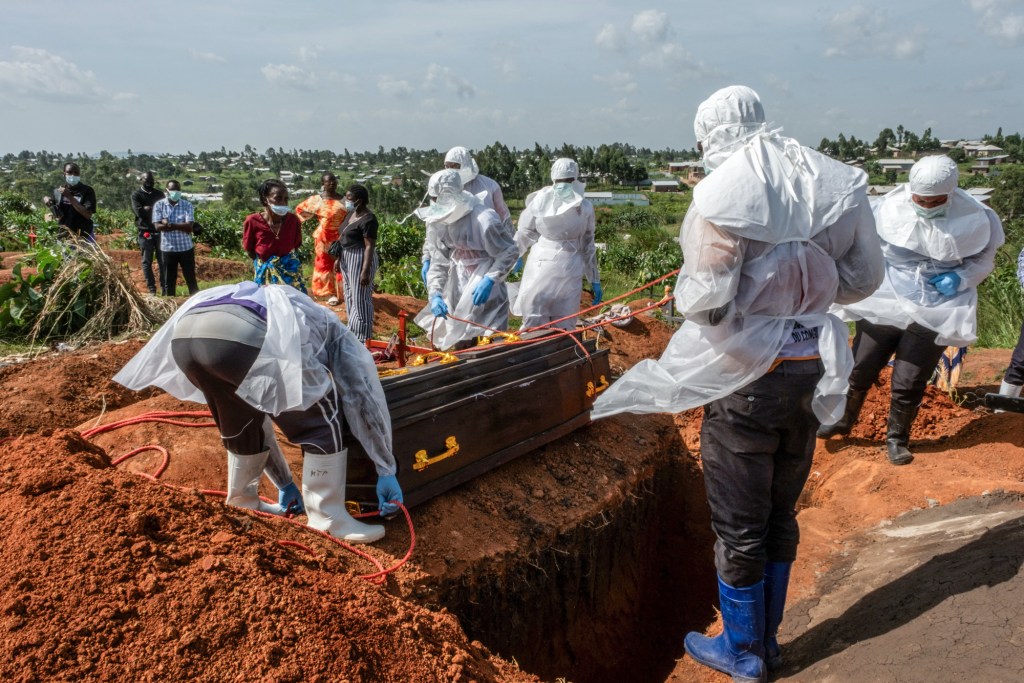
The response has been further complicated by insecurity in eastern Congo, where armed groups continue to operate. In Ituri province, attacks by the Islamic State-backed Allied Democratic Forces have left many communities inaccessible and forced thousands from their homes. Many displaced families are living in overcrowded camps, while others continue to move from place to place, making disease surveillance even more difficult.
More than a month after the outbreak began, officials fear the virus is spreading faster than response teams can contain it, leaving uncertainty about the outbreak’s actual reach.
Concerns emerged at the Kigonze displacement camp in Bunia, the capital of Ituri province, where camp officials reported that 10 people died under unusual circumstances last week. The deaths have heightened fears that the virus could be spreading among the camp’s more than 20,000 residents.
Although no Ebola infections have been confirmed at the camp, officials described the number of deaths as unprecedented and called for an urgent investigation.
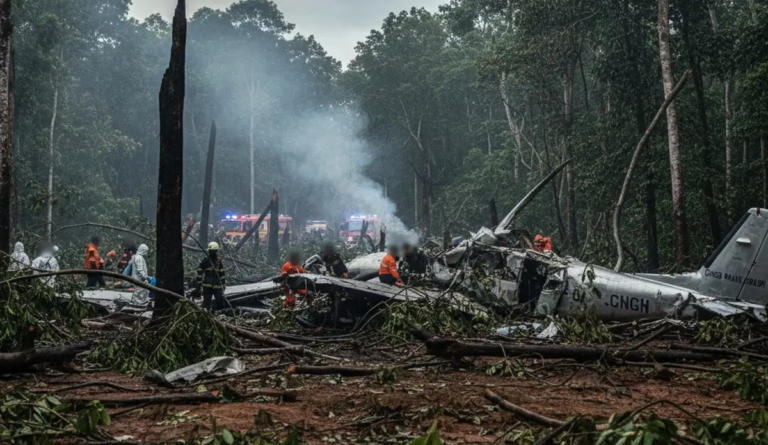
Read More : DR Congo Plane Crash Kills 17
The United Nations refugee agency estimates that at least 2 million displaced people, including more than 320,000 refugees, are living in areas of Congo considered vulnerable to the outbreak.
In a statement issued on Friday, the agency said it was “deeply concerned by the accelerating spread” of the virus and warned of “the growing risks it poses to displaced communities across the region.”
“If a disease or epidemic were to spread among the thousands of people living at this (Kigonze) site, it would be a real catastrophe given our already very precarious living conditions,” said Charité Banza, a civil society leader in Ituri.