Trending
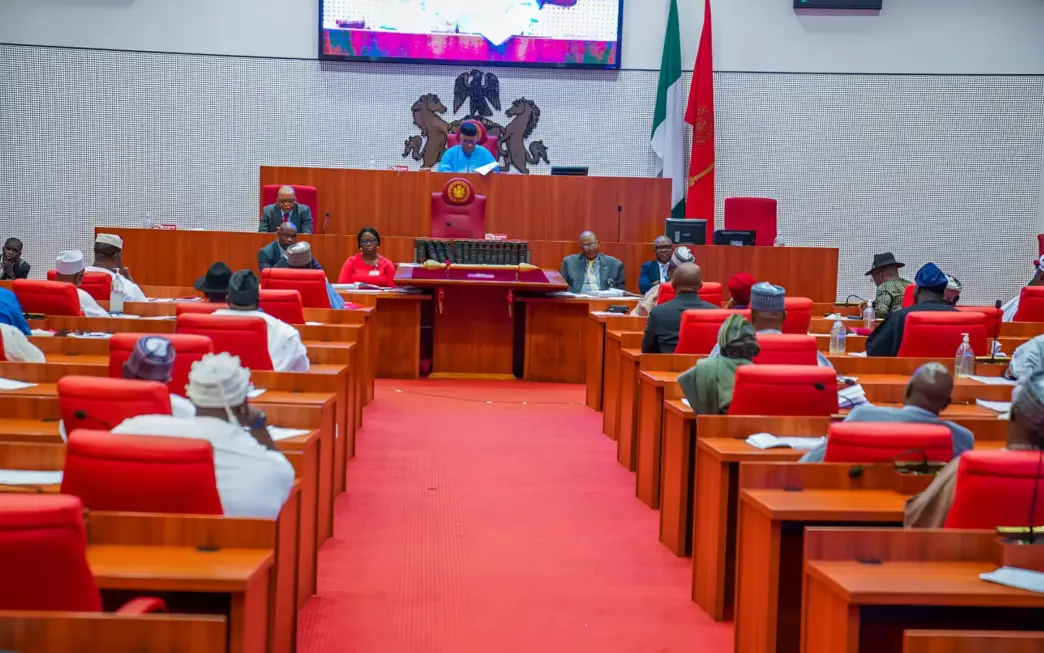
The Nigerian Senate has defended its passage of the State Police Bill, describing the proposed legislation as “a child of necessity” rather than political expediency.
The upper chamber passed the bill on Wednesday after more than two-thirds of senators voted in its favour.
The legislation has since generated mixed reactions. While supporters have welcomed the move as a step toward tackling insecurity, critics argue that state police could be abused by governors and worsen the country’s security challenges.
Read More : Abia Arrests 86 Over Sanitation Violations
Responding to the concerns in a statement issued on Sunday, the Directorate of Media and Public Affairs in the Office of the Senate Leader, Opeyemi Bamidele, said the bill was the product of a broad national consensus rather than political calculation.
According to Bamidele, the legislation addressed a matter of urgent national importance and could not be delayed for political reasons. He said participants at public hearings held across the six geopolitical zones in July 2025 overwhelmingly supported the creation of state police.
“The Bill is a child of necessity, not political expediency. It is also a product of national consensus, not cynicism,” he said.
Bamidele also said the bill enjoyed bipartisan support in both chambers of the National Assembly.
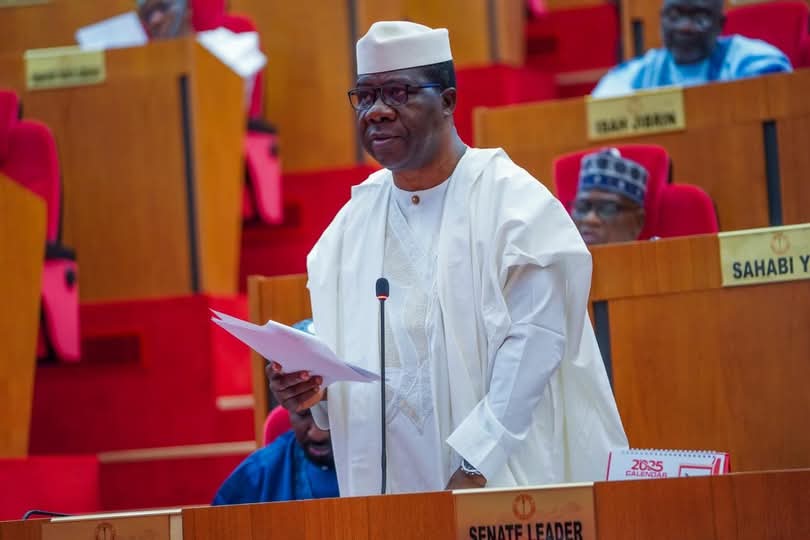
“Even though the APC is the majority, there are members of opposition parties — PDP, ADC, NDC and Labour Party — that exercised their discretion in favour of the Bill, mainly in the national interest and not on a parochial basis,” he said.
“In the Senate, for instance, 84 out of 109 members voted clause by clause in support of the Bill. This accounted for 77.06 per cent approval at the Senate alone.”
Read More : Gbajabiamila Denies PFIPC Allegations
He argued that national security should transcend partisan politics, noting that political leaders in other democracies often set aside party differences to support measures to strengthen national security.
The Senate leader also called on opposition parties to contribute constructive ideas to promote peace and stability, saying they had a responsibility to offer alternatives that would strengthen the country.
“Even when they disagree on some grounds, they are under obligations to provide credible and useful ideas that can make our nation better and greater. Unfortunately, they have not passed this critical test of opposition democracy,” he said.