Trending

The Director of Programmes at Serve Africa Initiative Katsina, Mohammed Maifada, has said Nigeria’s worsening insecurity escalated because many communities initially refused to accept that bandits were members of their own communities rather than outsiders.
Speaking at News Central Town Hall on Thursday, Maifada said the widespread belief that security was solely the responsibility of the government and the misconception that armed groups were foreign elements contributed to the growth of banditry across northwestern Nigeria.
“Previously, when this started, we thought security is no one’s business; it’s only government business,” he said.
Read More : Tinubu Hails Modi’s 25-Year Leadership
“People didn’t believe that these bandits are, or we refused to believe that they are among us, they are part of us, they are people living in our communities. This is what, in the first stage of the insurgency or the crisis, helped the progress of this.”
According to him, communities failed to recognise the local nature of the threat until it had grown beyond their control.
Maifada stressed that tackling insecurity requires active community participation, arguing that residents must see security as a shared responsibility rather than leaving it entirely to security agencies.

“So it’s good that we appreciate and we know that these are people within us and we have roles to play,” he said.
He said Serve Africa Initiative Katsina has been working with local communities to strengthen grassroots responses to insecurity through community-based structures that promote dialogue and early warning systems.
“In our organisation, we have worked with communities to build what we call community safety initiatives and community dialogue committees, where we bring together all sectors of the community around one table,” he said.
“People come together and discuss issues of security and create a pathway for reporting early warnings to the responsible agencies in these communities.”
Also speaking, a security advocate, Habibu Ruma, blamed Nigeria’s persistent insecurity on what he described as a lack of political will, arguing that security agencies have the capacity to defeat bandits if adequately supported by political leaders.
Ruma criticised ctiticised the government for allegedly failing to use high-profile engagements with the presidency to present the realities faced by victims of insecurity.
He referenced President Bola Tinubu’s recent visit to Katsina State, saying the opportunity should have been used to emphasise the plight of communities devastated by bandit attacks.

“Instead of our leaders using this opportunity by inviting those people that lost their loved ones, those farmers that cannot go to their farms, those children whose schooling has been truncated, they ended up hiring a gang of youth branded with T-shirts and banners carrying ‘Ba Korafi,’ meaning ‘no complaint.'”
He argued that portraying an image that everything was normal undermined efforts to draw attention to the security crisis.
Ruma expressed confidence in Nigeria’s security forces, insisting that the country’s worsening insecurity stems not from a lack of professionalism but from inadequate political support.
“It is only the lack of political will from our political office holders to provide a clear direction, collaborative engagement, resources and sophisticated equipment so they can go after these criminal groups.”
Read More : NLC Begins Indefinite Strike in Abuja
He called for stronger political commitment, better funding and improved equipment for security agencies, arguing that these measures would significantly strengthen efforts to combat banditry and other forms of violent crime across the country.
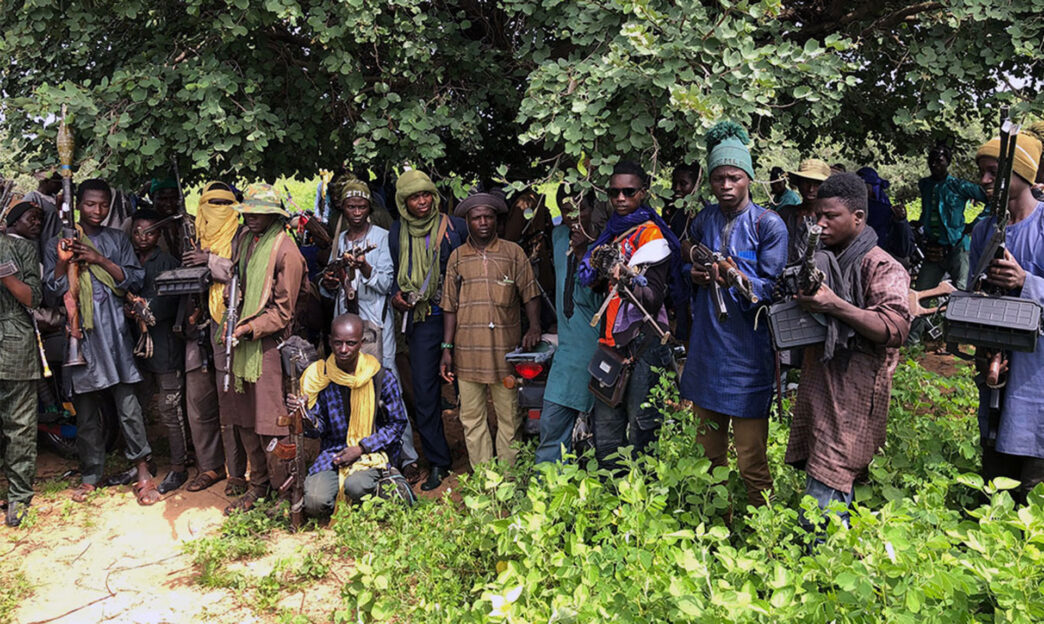
Banditry has remained one of Nigeria’s most pressing security challenges, particularly in Katsina and other northwestern states, where armed groups have carried out mass kidnappings, killings and attacks on rural communities. Security experts have increasingly emphasised the importance of community intelligence and early warning systems as part of broader efforts to curb the violence.