Trending
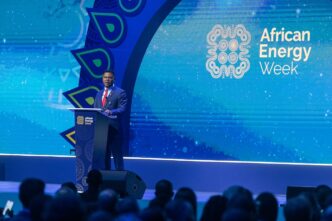
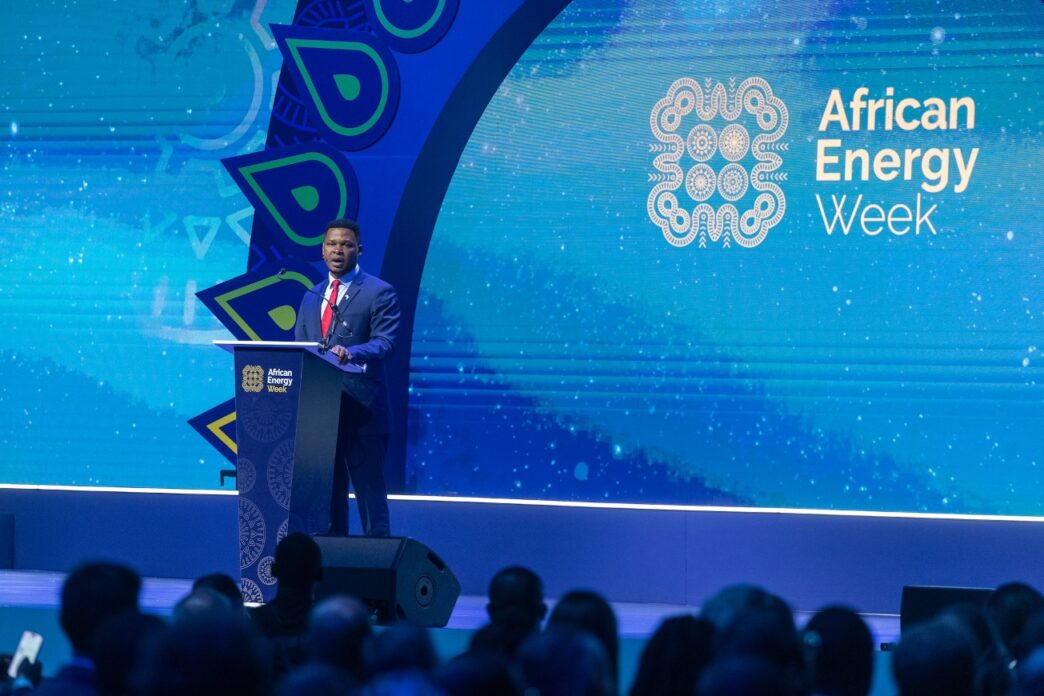
Pressure is mounting on South Africa to provide clear security assurances for African delegates attending African Energy Week (AEW) 2026 in Cape Town, as campaign groups, businesses and political voices across the continent call for stronger guarantees before the event.
The annual gathering, organised by the African Energy Chamber, is scheduled to be held from October 12 to 16 and is expected to bring together African governments, national oil companies, energy firms, investors, financiers and industry leaders to discuss opportunities across oil, gas, electricity and energy infrastructure.
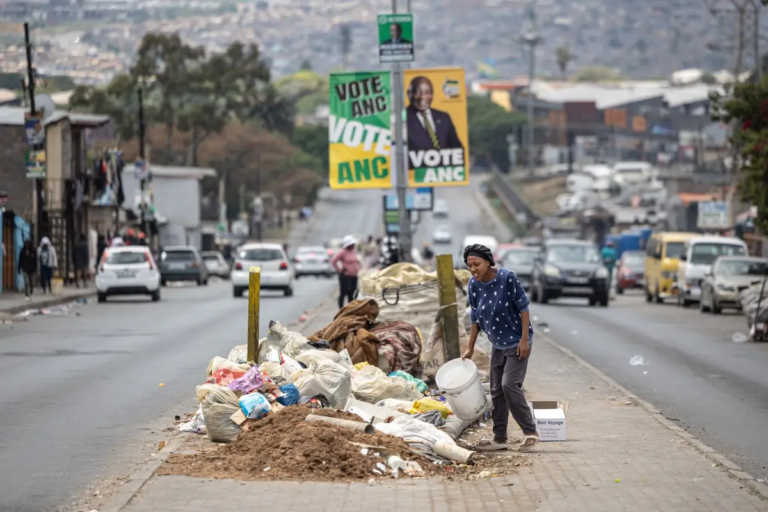
However, the conference has become part of a broader debate over xenophobic violence, anti-migrant sentiment and South Africa’s responsibility to protect Africans who travel to the country for business and professional engagements.
Read More : Kenyan Artist Revives Lamu Woodcarving Tradition
Campaigners pushing for a boycott argue that African governments, institutions and companies should reconsider their participation unless Pretoria provides firm commitments to protect delegates.
“Silence in the face of injustice is not neutrality; it is complicity,” one message circulated by boycott supporters stated, as advocates called for public assurances, stronger security arrangements and greater accountability from South African authorities.
The campaigners are also calling on the African Energy Chamber to seek specific measures from the government, including security coordination around conference venues and hotels, rapid-response mechanisms for incidents involving foreign delegates, and engagement with African diplomatic missions.
The pressure has expanded beyond concerns over migrant safety, with some climate advocacy groups also backing calls for the conference to be relocated. Critics of AEW have previously opposed the event because of its focus on oil and gas investment, arguing that it supports continued fossil fuel development.
Some campaigners are now combining concerns over xenophobia with criticism of Africa’s energy strategy, encouraging sponsors, speakers and delegates to reconsider involvement unless South Africa responds to their demands.
Potential alternative locations mentioned by critics include Rwanda, Morocco, Ghana and London.
The calls have created uncertainty around an event that plays an important role in Africa’s energy sector. AEW attracts government officials, executives, investors and industry stakeholders involved in major energy projects, financing agreements and business partnerships.
A withdrawal by major African delegations, companies or sponsors could affect the conference’s commercial appeal and raise questions about Cape Town’s position as a host city for major continental events.
Supporters of AEW, however, argue that the campaign unfairly targets an African-owned platform. They point to other major gatherings held in South Africa, including the Africa Energy Forum, which took place in Cape Town without similar boycott demands.
They also stress the economic benefits of hosting AEW, including revenue for hotels, transport providers, hospitality businesses, media companies, and event service organisations.
For supporters, the conference represents an opportunity to promote African energy development and attract investment into sectors that remain critical to industrial growth and electricity access across the continent.
Critics, however, argue that economic benefits cannot replace the need for safety assurances. Their position is that South Africa must demonstrate that African visitors are not only welcomed inside conference venues but are also protected throughout their stay.
The controversy has placed Pretoria under increasing scrutiny as the country seeks to maintain its reputation as a centre for African diplomacy, investment and business.
Read More : Africa’s Energy Shock Tests Economic Reforms
Observers say the government may need to move beyond general statements and provide clearer commitments, including coordinated security planning, delegate support systems and assurances that violence or intimidation against foreign nationals will not be tolerated.
For the African Energy Chamber, the debate presents a difficult challenge. AEW has positioned itself as a platform for African energy development, arguing that the continent should control its own resources, attract investment and shape its energy future.
But the growing calls for guarantees have introduced a wider question: how can a Pan-African event promote continental cooperation if some Africans feel unsafe travelling to the host country?