Trending
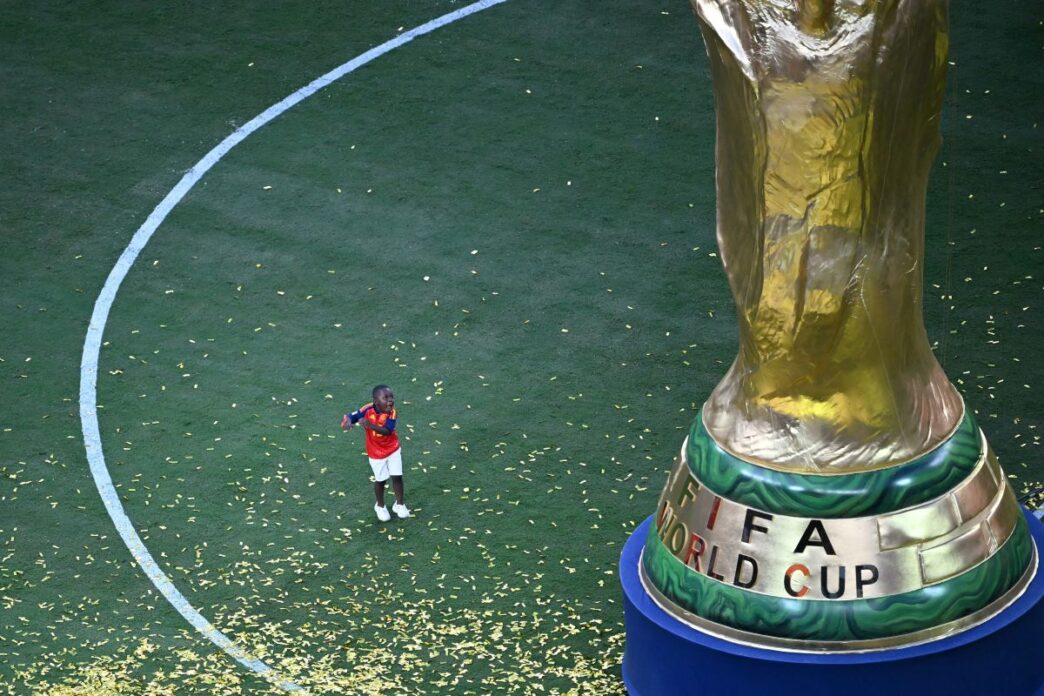
Spain has lifted the 2026 FIFA World Cup after a tournament that showcased football’s biggest stars, but it was a disciplined and organised La Roja side that ultimately claimed the sport’s biggest prize.
Despite the presence of global icons such as Lionel Messi, Kylian Mbappé, Jude Bellingham and Erling Haaland, Spain proved that tactical discipline and defensive strength could overcome individual brilliance, defeating defending champions Argentina 1-0 after extra time at the MetLife Stadium.
The first World Cup to feature 48 teams produced a record attacking spectacle, averaging 2.96 goals per game, the highest figure since 1970. Yet Spain’s triumph was built less on attacking fireworks and more on defensive excellence.
Read More : Kenyan Enterprise Gives Women New Start
La Roja scored just 14 goals in eight matches but conceded only once throughout the tournament, with Belgium the only team to breach their defence in the quarter-final. Their resilience at the back became the foundation of their second World Cup title.
Captain Rodri was at the centre of Spain’s success, earning the tournament’s best player award ahead of several attacking superstars. His leadership and control in midfield helped protect a defence that frustrated some of the world’s most dangerous forwards.
Full-back Marc Cucurella credited Spain’s collective approach for their achievement.
“When you don’t concede, I think it is much easier to win,” Cucurella said. “We attack together and defend together, and that is one of the key things about this team.”
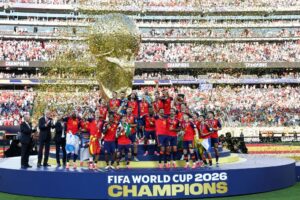
Spain’s defensive dominance was evident in the final, where Argentina failed to register a single shot on target as their attempt to become the first country since 1962 to successfully defend the World Cup title ended in disappointment.
Ferran Torres delivered the decisive moment, scoring in the 106th minute to secure victory after Spain had controlled much of the contest.
While Lamine Yamal entered the tournament as one of its biggest attractions, the teenage winger struggled to reach his best form after fitness issues and finished with one goal. However, his presence, alongside fellow teenager Pau Cubarsi, represents Spain’s promising future.
Read More : UNGA: Women Closing Africa’s Management Gap
Coach Luis de la Fuente, who replaced Luis Enrique after Spain’s early exit at the 2022 World Cup, has transformed the national team into champions once again.
“These players are exceptionally talented and it is an honour to accompany them,” De la Fuente said.
Spain’s latest success continues a remarkable era that has seen the country win two World Cups and three European Championships since 2008. They now look ahead to defending their crown in 2030, when they will become the first reigning champions to attempt a World Cup defence on home soil.