Trending
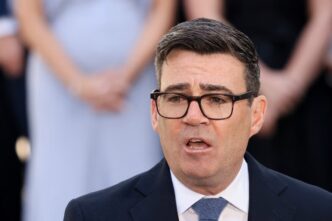
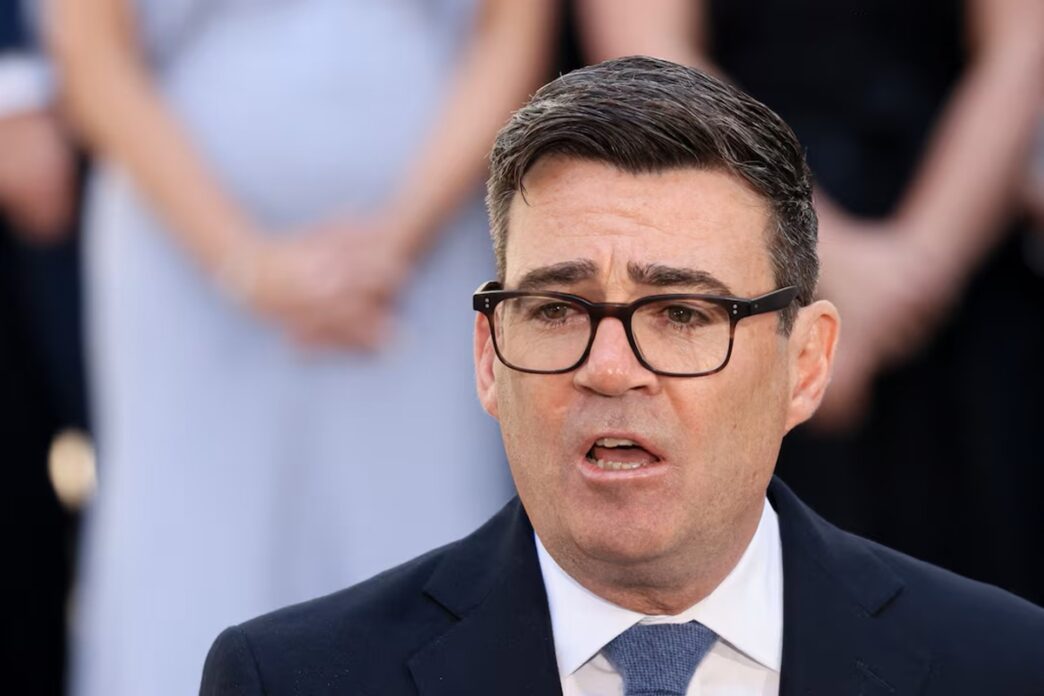
Britain’s new Prime Minister, Andy Burnham, began his first day in office on Monday by reshuffling the cabinet, removing several allies of his predecessor, Keir Starmer, and outlining plans for a decade-long programme to tackle the cost-of-living crisis and revive the economy.
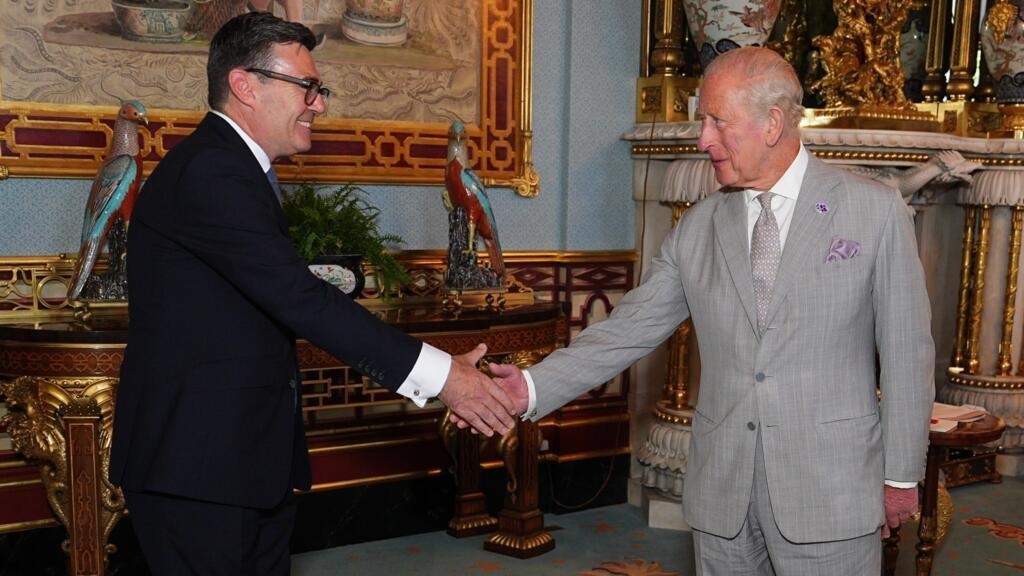
Burnham, 56, formally assumed office after meeting King Charles III at Buckingham Palace, becoming the fourth prime minister of the King’s reign and Britain’s seventh leader in just over a decade.
In his first address outside 10 Downing Street, Burnham said Britain needed a new political and economic direction, promising a 10-year national plan focused on easing living costs, rebuilding industry and shifting power away from Westminster.
He also pledged to provide immediate relief for households struggling with rising costs, saying the first measures would be announced on Tuesday.
The new prime minister said ending rough sleeping would be among his government’s priorities, alongside expanding public housing and using public procurement to support re-industrialisation.
Burnham argued that Britain had taken “wrong turns” during the 1980s and said essential services should be placed under stronger public control to make them more affordable.
Soon after taking office, Burnham held separate telephone conversations with US President Donald Trump and Ukrainian President Volodymyr Zelensky.
According to Downing Street, Burnham assured Zelensky that Britain remained firmly committed to supporting Ukraine against Russia’s invasion.
Trump described the discussion as productive, saying the two leaders talked about trade, defence cooperation and security in the Strait of Hormuz. He also expressed confidence in Burnham’s leadership and said the two would meet in the near future.
The new prime minister also moved quickly to reshape his government, dismissing several ministers closely associated with Starmer, including Rachel Reeves and David Lammy, while promoting allies and reassigning others.
Former defence secretary John Healey was appointed finance minister, Ed Miliband became foreign secretary, and Angela Rayner returned to the cabinet.
Wes Streeting was named defence secretary, while Shabana Mahmood retained her role as home secretary.
Burnham inherits a series of economic and political challenges, including sluggish growth, high borrowing costs, rising welfare spending and continued pressure over irregular migration, which has fuelled support for the right-wing Reform UK party.
He also takes office as uncertainty over global energy prices linked to the conflict involving Iran and the United States deepens, as well as evolving relations with Washington.
Starmer, who resigned after two years in office, said his government had left Britain “stronger and fairer” despite criticism over policy reversals and political controversies.
Burnham, the former mayor of Greater Manchester, was chosen by Labour MPs to replace Starmer without a leadership contest, a move that has prompted opposition parties to question his mandate and call for an early general election.
French President Emmanuel Macron congratulated Burnham on his appointment, expressing hope that his leadership would inject fresh momentum into relations between the United Kingdom and the European Union.