Trending
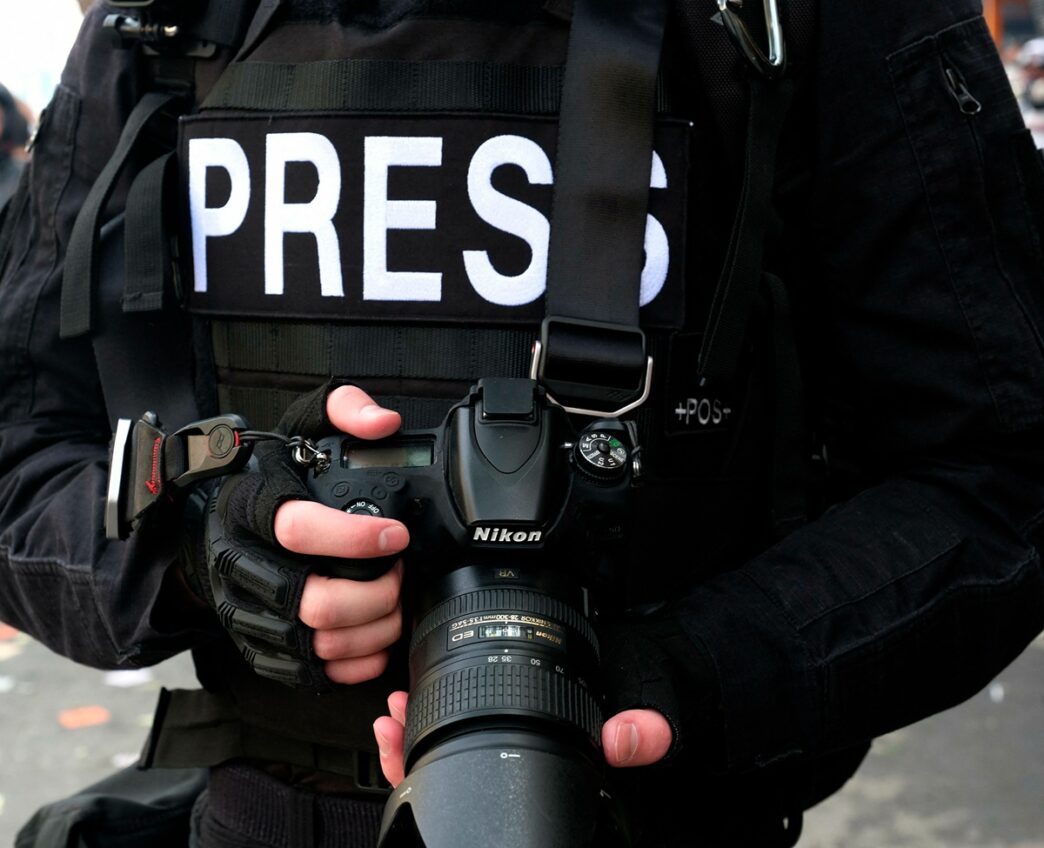
A journalist’s pen is not just ink on paper but a bridge between nations, a mirror to truth, a candle in the dark. But when that pen bends to rumour, when headlines chase applause instead of accuracy, it fuels division and distrust. Regions as tightly woven as West and Southern Africa, one careless flame can set two giants ablaze.
In an age where tweets travel faster than a diplomatic cable, integrity in journalism is no longer a virtue but a necessity. Falsehoods do not just misinform — they wound and turn partners into rivals, and misunderstandings into grievances that take years to heal.
The visit to Nigeria by the Minister of International Relations and Cooperation and Special Envoy on Migration, Mr. Ronald Lamola, on 27 July 2026, attracted unprecedented attention from the public and media alike.
The purpose of the visit was clear – to carry a message from President Cyril Ramaphosa to President Bola Ahmed Tinubu, and to address growing tensions around migration, public safety, and the treatment of Nigerian nationals in South Africa. But the excitement was quickly overtaken by falsehood, amplified by both mainstream media and social media.
Many newspaper reports in Nigeria claimed that President Tinubu “snubbed” Minister Lamola by delegating the Minister of State for Foreign Affairs, Ambassador Sola Enikanolaiye, to receive him. In newsrooms and on timelines, this noble gesture was twisted into insult — an omen of a fractured relationship rather than what it truly was – an extended hand of friendship meant to rebuild relations and restore trust between the two countries.
Let us be clear about protocol. It is not unusual for a Head of State to delegate a minister to receive a Special Envoy from another country. It is standard diplomatic practice across the world, and it is about efficiency, not disrespect.
Minister Lamola himself has been given this very role by President Ramaphosa multiple times — to receive envoys, to hold working meetings, to do the unglamorous work of diplomacy. Yet no media sensation was experienced in South Africa. No headlines screamed “snub.” It can only be a sinister bias that turns such a normal act of statecraft into scandal when it happens between African brothers.
What the sensational reports ignored was the substance that happened behind the headlines.
Had the meeting with President Tinubu proceeded in a ceremonial format, the South African delegation would not have had the opportunity to engage deeply and ventilate with their Nigerian counterparts on the very issues that brought them to Nigeria. Instead, a working-level engagement took place. It was key to addressing concerns from both sides. For the South African delegation, this was not a snub. It was a remarkable milestone in the journey of diplomatic relations between Africa’s two greatest nations.
In that room, at the ministry of foreign affairs, frank conversations were had. From concerns over the conduct of some Nigerians in South Africa and reports of exclusive enclaves in Sunnyside and Hillbrow, to allegations of extra-judicial killings during law enforcement operations in South Africa.
Both sides reaffirmed a zero-tolerance approach to xenophobia, agreed to joint working groups, and committed to protecting the rights of all Africans who call either country home. That is diplomacy. Quiet, difficult, and productive.
This is where the danger of sensationalisation becomes clear.
When media reduces a complex diplomatic engagement to “who met whom,” it strips leaders of the space to solve problems.
When a headline screams “snub,” it poisons public perception before facts have a chance to breathe. Within hours, hashtags and hot takes turned protocol into provocation. For millions who do not read past the first line, that became the truth.
The cost is real. Sensational reporting fuels reprisals. It endangers Nigerian businesses in South Africa and South African investments in Nigeria.
It gives ammunition to those who profit from division and it weakens the very idea of Pan-African solidarity that both countries have championed since 1994.
The media is not a bystander in this relationship. It is a steward. Every editor, every reporter, every content creator holds in their hands the power to build or to destroy.
We can choose to be amplifiers of outrage, or architects of understanding. We can choose to verify before we vilify, to explain before we inflame, to report what builds confidence instead of what breaks it.
Nigeria and South Africa enjoy relations that cannot be broken by omens of difference. Their economies are intertwined and their histories linked. Their future, in a changing world, depend on each other. A false headline today can become a trade barrier tomorrow. A careless post today can become a protest next week. This is the reason both countries must de-escalate political rhetoric on social media.
So, let this be the lesson of the Lamola visit – that the real story was not who stood where, but what was said in the room. That diplomacy is not theatre and that journalism, at its best, is not about clicks, it is about consequence.
Let the pens build bridges, not burn them. If the media does not protect the truth between Nigeria and South Africa, they risk setting fire to a house both countries call home.
Let the truth prevail, for lies have short legs.