Trending

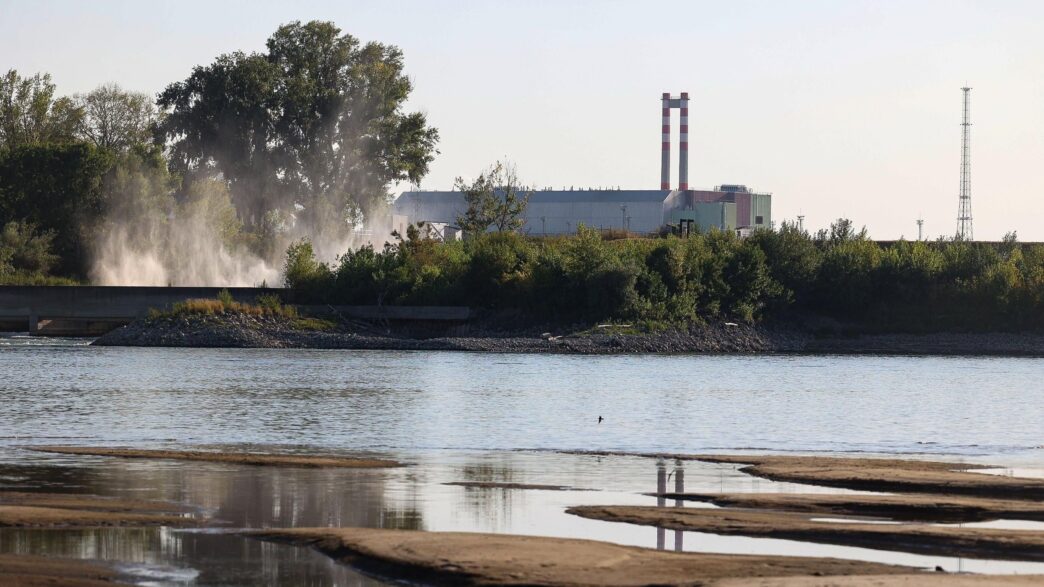
Hungary will shut down its sole nuclear power plant next week as dropping water levels in the Danube River threaten cooling operations amid a relentless Central European heatwave.
Prime Minister Peter Magyar announced Friday that the four-reactor facility at Paks, which generates nearly 40 per cent of the nation’s electricity, expects a full shutdown by Tuesday or Wednesday after already cutting output.
Jelenleg az energiaszolgáltatás rendben üzemel. A Paksi Erőmű 2000 helyett 960 megawatton termel. A hálózat csúcsterhelése tegnap a tervezett alatt maradt 151 megawattal az önkéntes korlátozások miatt.
Irány Százhalombatta és Paks.Read More : Xi, Trump Prepare For High-Stakes Talks
— Magyar Péter (Ne féljetek) (@magyarpeterMP) July 31, 2026
Drought and soaring temperatures have pushed the river to record lows, following a similar move by neighbouring Romania, which has already halted operations at its own nuclear facilities.

The extreme weather is straining energy grids and daily life across the region.
In response to the crisis, the Hungarian government has urged businesses to slash power consumption, banned outdoor fires, and turned off decorative lighting on public buildings.
Local authorities in affected towns are relying on emergency water tankers to supply residents as municipal supplies dwindle, while neighbouring nations like Slovakia have established air-conditioned cooling stations to protect vulnerable populations.
Read More : Arab States Condemn Ben-Gvir’s Al-Aqsa Incursion
The severe conditions extend across Central Europe, triggering historic climate records and elevated disaster warnings.
Austria recorded an all-time July high of 40.3°C (104.5°F) on Friday alongside severe drought conditions, while Slovenian authorities issued extreme fire risk warnings and warned of record-high Adriatic sea temperatures.
Climatologists warn that the extraordinary duration of the current heatwave will continue to place severe pressure on regional infrastructure and water resources.