Trending

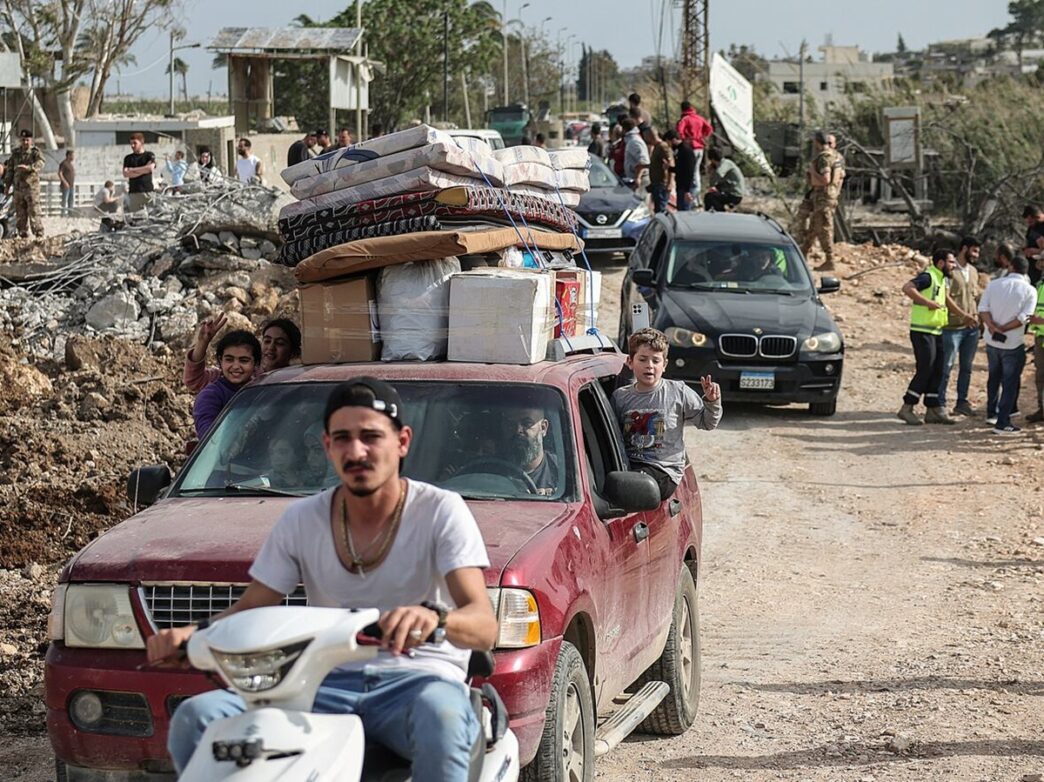
More than 800,000 people displaced by the war in Lebanon have begun returning to their hometowns following a reduction in violence, the United Nations (UN) said on Tuesday.
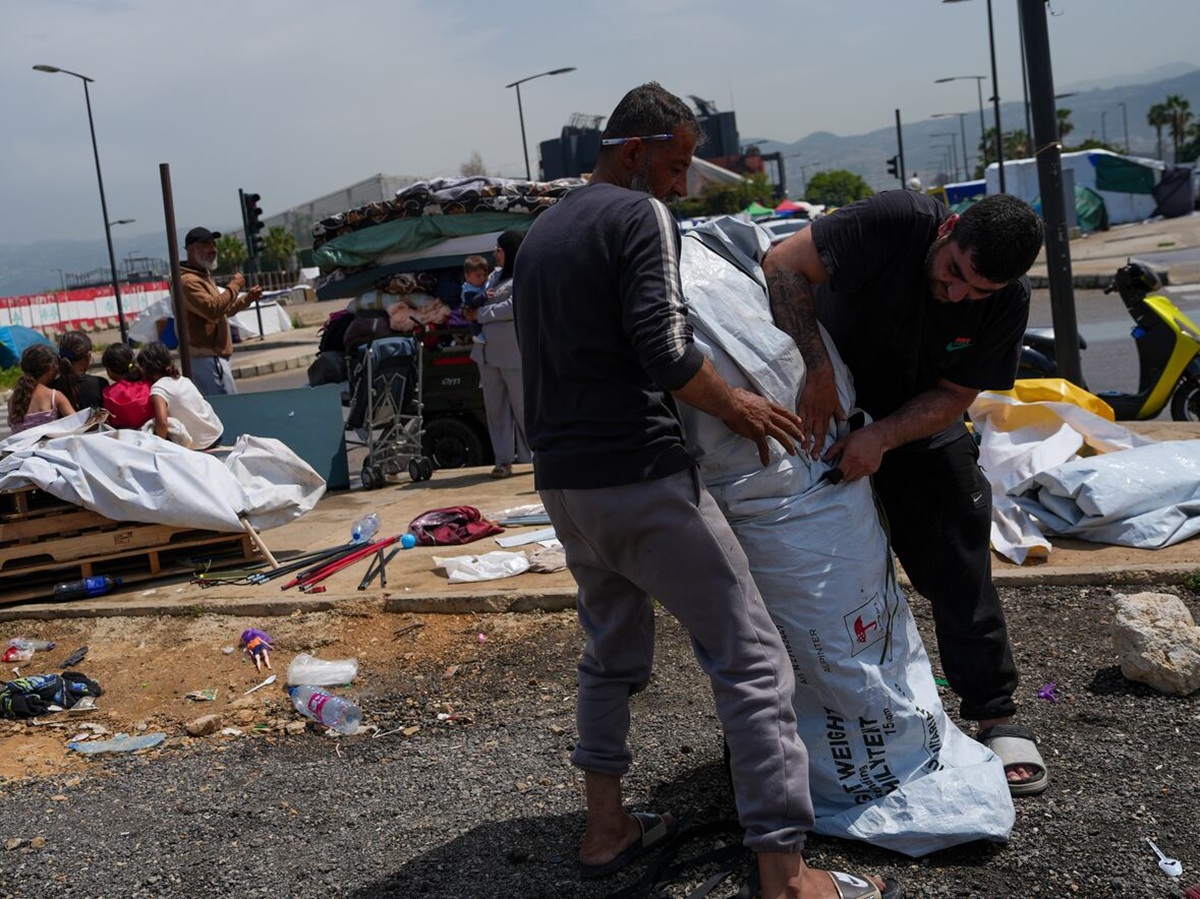
The UN humanitarian agency OCHA said 821,077 people had returned to their areas of origin as of July 30, while more than 360,000 remained displaced. About 26,000 of those still displaced were staying in government shelters.
The figures were released as Lebanon and Israel began a new round of US-sponsored talks in Rome to end the conflict. The discussions are expected to continue until Thursday.
Read More : Australia Launches UN Security Council Bid
Hezbollah became involved in the wider Middle East conflict in March by firing rockets at Israel in support of Iran. Israel responded with heavy airstrikes and a ground offensive that Lebanon says killed more than 4,300 people and displaced more than one million at the height of the fighting.
Violence has eased following a preliminary US-Iran agreement reached in June that included a ceasefire in Lebanon, as well as a separate US-backed understanding between Israel and Lebanon.
However, Lebanon continues to report intermittent Israeli strikes and shelling, along with explosions and demolitions in southern villages. Israeli troops also remain in parts of southern Lebanon.
Read More : Oil Prices Rise Over Middle East Tensions
OCHA said damage to water and electricity infrastructure caused by the conflict has severely disrupted access to water for more than 700,000 people in southern Lebanon, where most of those displaced by the war are from.
During negotiations in Washington in June, Israel and Lebanon agreed on a framework that includes the disarmament of Hezbollah, a gradual Israeli withdrawal from southern Lebanon and the deployment of Lebanese army forces in the area, initially through designated “pilot zones”.
Hezbollah has rejected the framework and refused to disarm. Its leader, Naim Qassem, said direct negotiations would bring Lebanon “nothing but shame, humiliation, and successive compromises.”