Trending
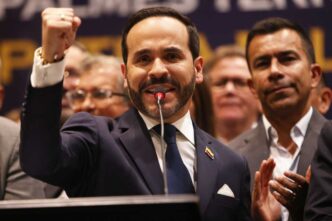
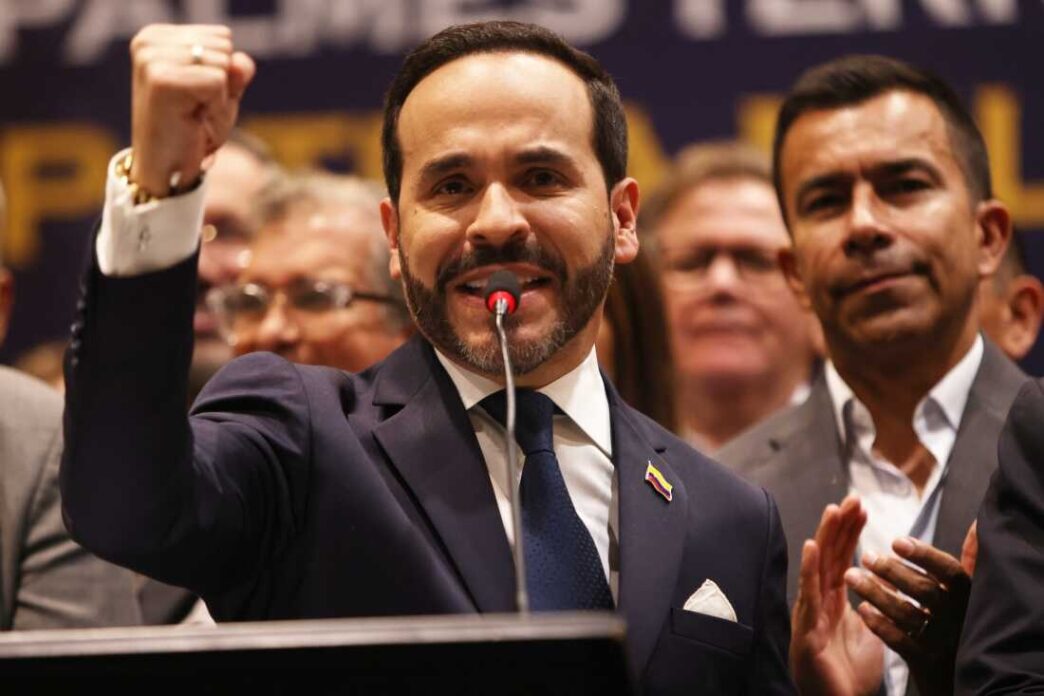
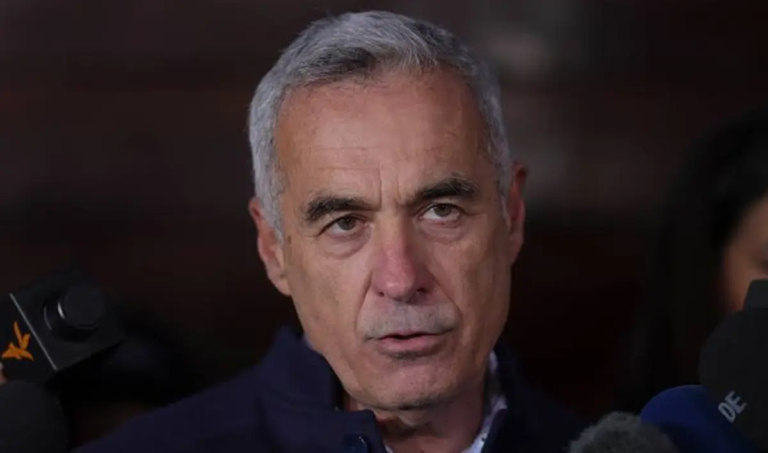
The 48-year-old president, who was inaugurated in the southwestern city of Cali on Friday, addressed hundreds of soldiers at a military garrison after the ceremony.
His inauguration marks a sharp shift to the right for Colombia, with de la Espriella promising closer ties with the United States and a tougher approach to the country’s armed groups.
“There will be no room for manoeuvres that undermine the stability of the nation,” he told the soldiers.
Read More : Russia Demands End To EU Sanctions
The president pledged to “relentlessly defeat narco-terrorism,” declaring that the option of dialogue with armed groups had been exhausted.
His comments were a clear departure from the peace negotiations pursued by his left-wing predecessor, Gustavo Petro.
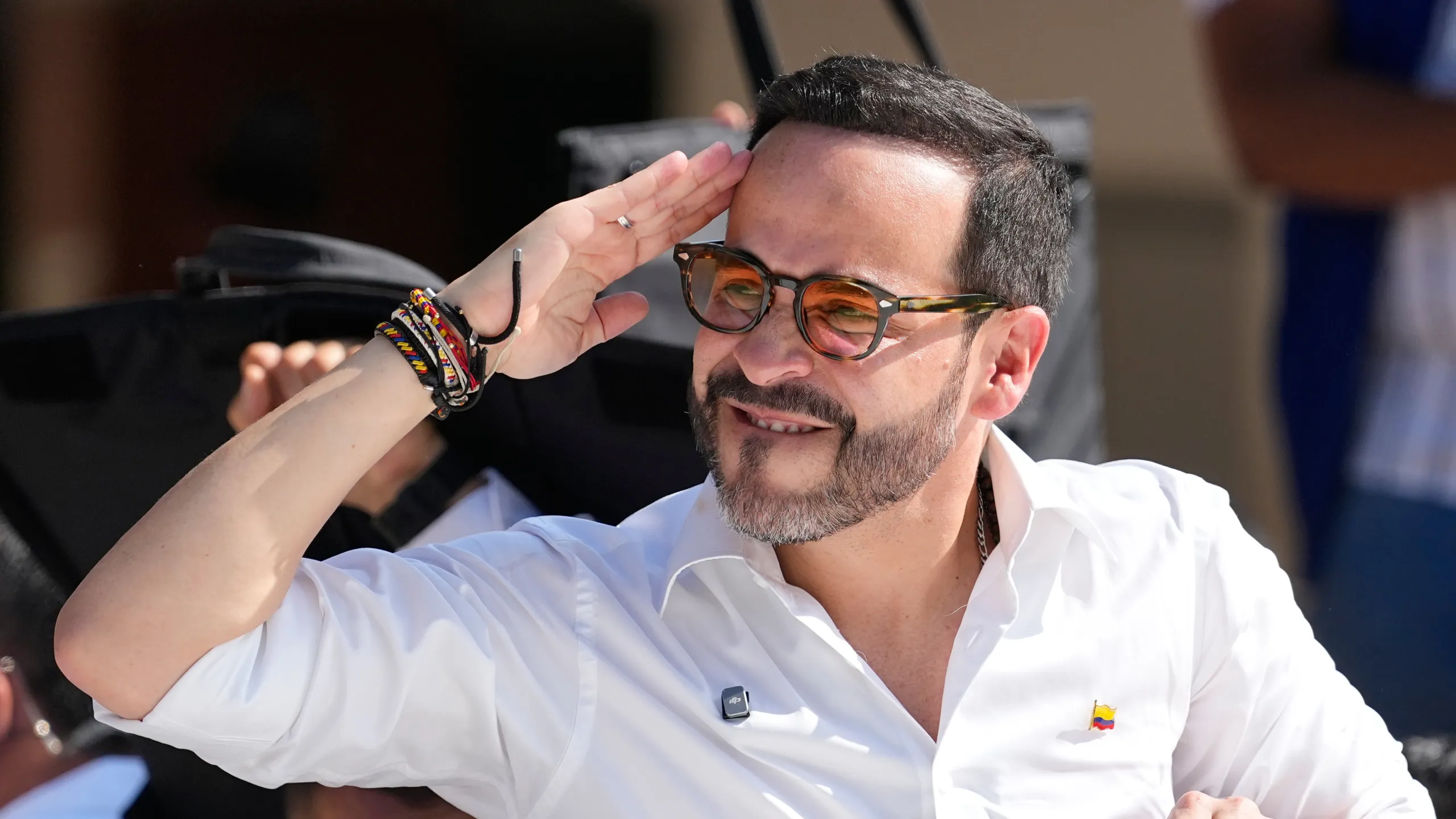
De La Espriella Seeks Closer US Ties
De la Espriella said his immediate priority would be joining United States President Donald Trump’s regional anti-cartel alliance, known as Shield of the Americas.
The move could further strengthen security cooperation between Washington and Bogotá.
The US State Department said on Friday that the Trump administration intended to work with Congress to announce $1 billion in assistance as part of a security package to support the new Colombian administration.
De la Espriella, who holds dual US and Colombian citizenship, has also offered to host US troops in Colombia and proposed bombing jungle cocaine laboratories.
He has further pledged to build “mega-prisons” and reduce the size of the Colombian government.
Unusual Inauguration
Breaking with tradition, de la Espriella’s inauguration was held in Cali, Colombia’s salsa capital, rather than at Congress in Bogotá.
Among those who attended was FIFA President Gianni Infantino, who has faced criticism over his now-shelved proposal to open the World Cup and other FIFA competitions to private investment.
Other high-profile guests included Argentina’s President Javier Milei and Todd Blanche, acting US Attorney General, who led the US delegation.
Petro did not attend the ceremony.
Security Challenges
Cali, which has suffered several guerrilla attacks in recent years, was placed under heavy security during the inauguration, with about 11,000 troops deployed alongside an anti-drone system.
De la Espriella won the presidential election by less than one percentage point, ending four years of Colombia’s first left-wing government.
He now faces a divided Congress where his administration lacks a majority.
His supporters expect the new government to take a tougher stance against criminal organisations and dissident armed groups.
Petro had sought to negotiate peace with several armed groups, but the process failed to deliver the expected results.
Security experts have said some criminal groups, which were once driven largely by political or ideological objectives, increasingly focused on cocaine trafficking and other illicit activities and used government truces to expand their operations.
Petro, who has alleged electoral fraud without providing evidence, called for mass protests in major cities on Friday. Hundreds of people demonstrated peacefully in Bogotá and Barranquilla.
‘Plan Colombia II’
De la Espriella’s victory adds to a series of electoral gains by right-wing political movements across Latin America, with security concerns featuring prominently in recent campaigns.
The former lawyer has pledged to eliminate coca crops used in cocaine production “by all means” and supports fracking despite its environmental concerns.
He also plans to reduce taxes on wealthy citizens and establish closer military cooperation with the United States and Israel in his campaign against armed groups.
His proposed “Plan Colombia II” is a reference to the multi-billion-dollar partnership between Colombia and Washington in the 2000s aimed at combating drug cartels and left-wing armed groups.
Read More : White House Launches Trump TV
Although the original Plan Colombia helped weaken major armed groups, it was also associated with allegations of serious human rights abuses.
For many Colombians, however, the new administration represents an opportunity for a tougher response to worsening insecurity.
“We have to support him so there won’t be so much crime,” said German Angulo, a 63-year-old contractor in Cali. “We need a complete change.”