Trending

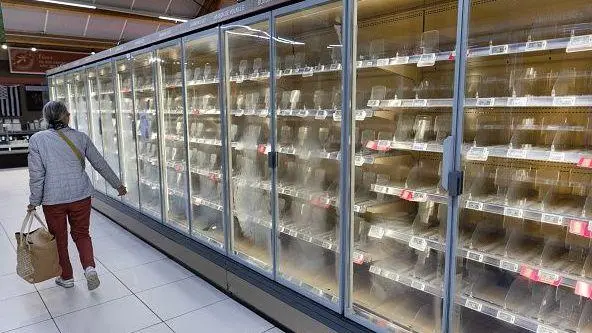
France has blamed Iran’s Islamic Revolutionary Guard Corps (IRGC) for cyberattacks that disrupted supermarket refrigerators across the country in October, threatening European sanctions against those responsible.
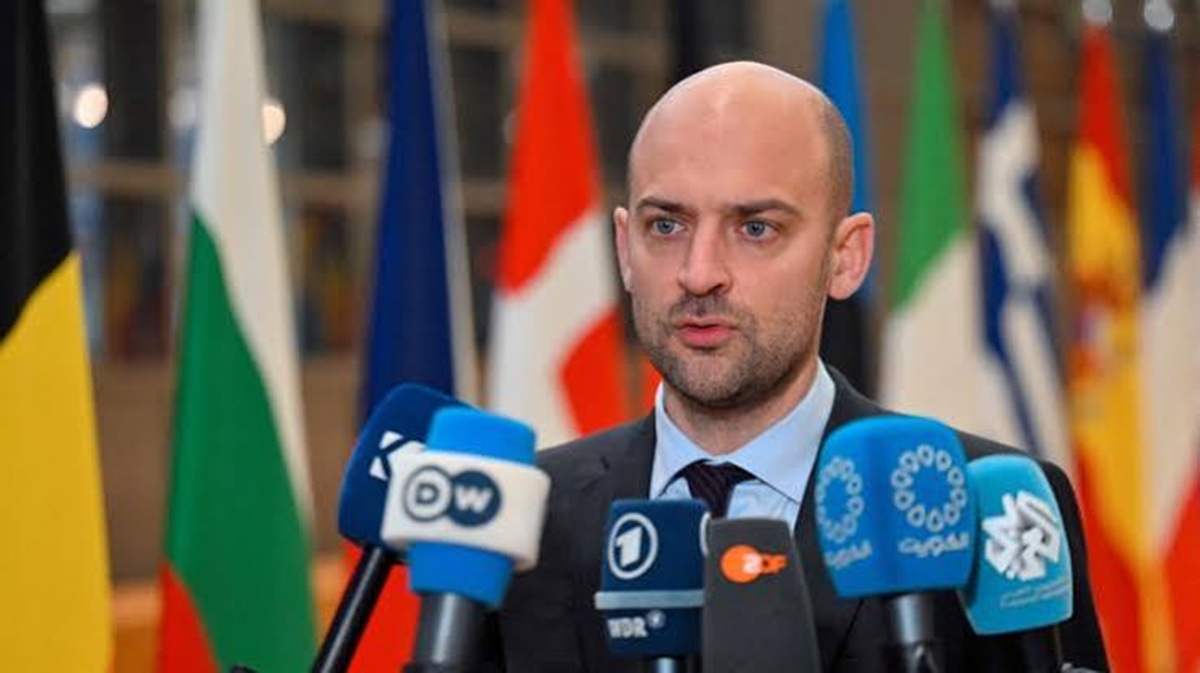
Foreign Minister Jean-Noël Barrot said on Monday that the October 11 and 12 attacks targeted about 700 supermarket sites. They remotely raised refrigerator temperatures, forcing some stores to throw away entire stocks of perishable food.
“I can confirm that this attack was carried out by the Islamic Revolutionary Guard Corps (IRGC) of the Islamic Republic of Iran,” Barrot said.
Read More : CJN Swears in Election Tribunal Judges
He described the incident as “unprecedented in both its scale and its level of aggression” while speaking on the sidelines of the G7 foreign ministers’ meeting in Paris.
Barrot said the attack was the first large-scale cyber operation targeted at sabotage on French territory. He added that it posed a serious threat to the country’s interests and its people’s security.
“We will implement sanctions at the European level against all those responsible,” he said.
The Paris prosecutor’s office has also opened an investigation into Shahid Kaveh, a cyber unit linked to the IRGC, over the attacks.
Prosecutor Laure Beccuau said the investigation targets the unit’s head and two deputies. She described Shahid Kaveh as an offensive cyber unit affiliated with the IRGC’s Electronic and Cyber Centre.
According to Beccuau, the attackers remotely accessed supermarket equipment through web interfaces and triggered unusual, continuous defrost cycles. They also disabled temperature sensors designed to alert store operators when refrigerators became too warm.
She said Persian-language settings and internet addresses linked to terminals in Iran were among the methods used to identify the suspected attackers.
Meanwhile, Barrot said France had summoned Iran’s ambassador to Paris to protest what he called an extremely serious act. He added that France would take other necessary and proportionate measures to prevent similar attacks.
Similar incidents have also been reported in other European countries. On November 2, grocery stores in at least nine other countries were hit by a suspected cyberattack targeting freezer systems. The incidents have raised concerns about the growing threat of cyber operations against European infrastructure.
European officials have also warned about possible cyberattacks linked to Russia as countries continue to support Ukraine in its war against Moscow. In recent days, false bomb alerts have disrupted air travel across Europe, although authorities have yet to establish who was behind the threats.
France has also accused Iran of spreading misinformation linked to protests that have affected the country over the past month.
Meanwhile, European Union foreign policy chief Kaja Kallas called for a strong response after learning of France’s attribution of the supermarket attacks to Iran.
“Our response should be strong,” she said.