Trending
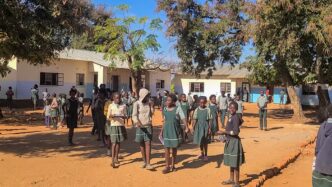
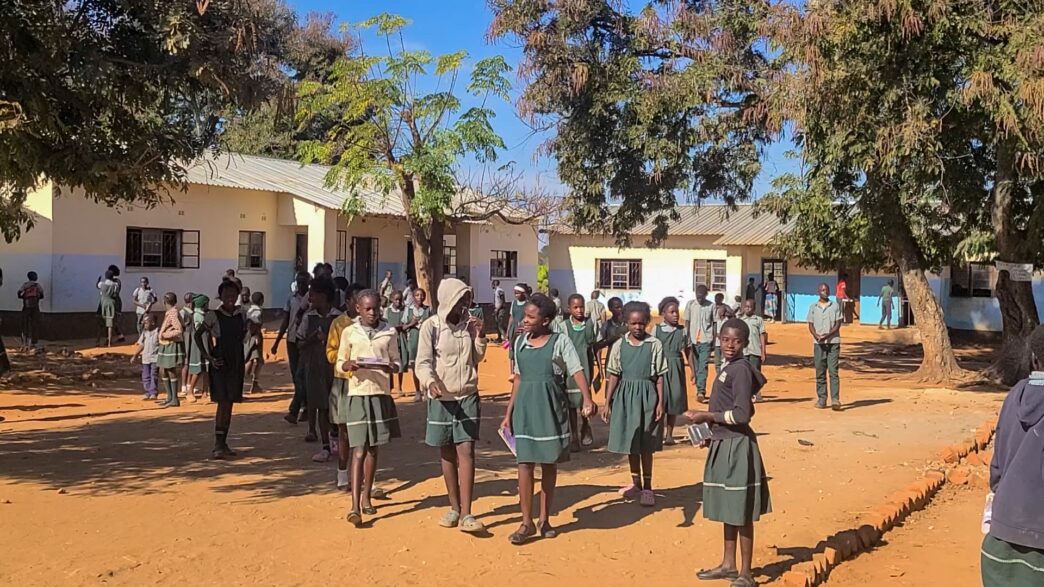
In a crowded classroom, children sit shoulder to shoulder at worn wooden desks, their heads bent over open exercise books. Brightly coloured pens move across pages of handwritten calculations as pupils work beneath faded blue-and-cream walls.
For farming families in Dumba Settlement, keeping children in classrooms like this often depends on the income they earn from cotton.
Dumba lies in the Magoye area of Mazabuka District in Zambia’s Southern Province, about 125 kilometres by road from the capital, Lusaka. Here, farmers grow food crops such as maize, but many describe cotton as their “bank” — the crop that provides the cash needed for school uniforms, books, food and other household expenses.
Zambia’s introduction of free education has helped drive a sharp rise in enrolment. The country had almost 6.83 million learners enrolled in 2025, according to the Ministry of Education’s 2025 Education Statistics Bulletin. This included 706,049 children in early childhood education, about 4.69 million primary school learners and approximately 1.43 million secondary school learners. Total enrolment was about 6.53 million in 2024.
But access remains uneven. UNICEF estimates that about 800,000 school-age children in Zambia are out of school. This figure includes children who have never enrolled as well as those who have left school; it should not be described as the number who dropped out because their families lacked income.
Although the government’s free education policy has removed tuition, Parent-Teacher Association and examination fees from preschool to secondary school, families must still meet costs such as uniforms, shoes, books, bags, transport and, later, tertiary education.
In rural farming communities, seasonal income can determine whether those costs are affordable.
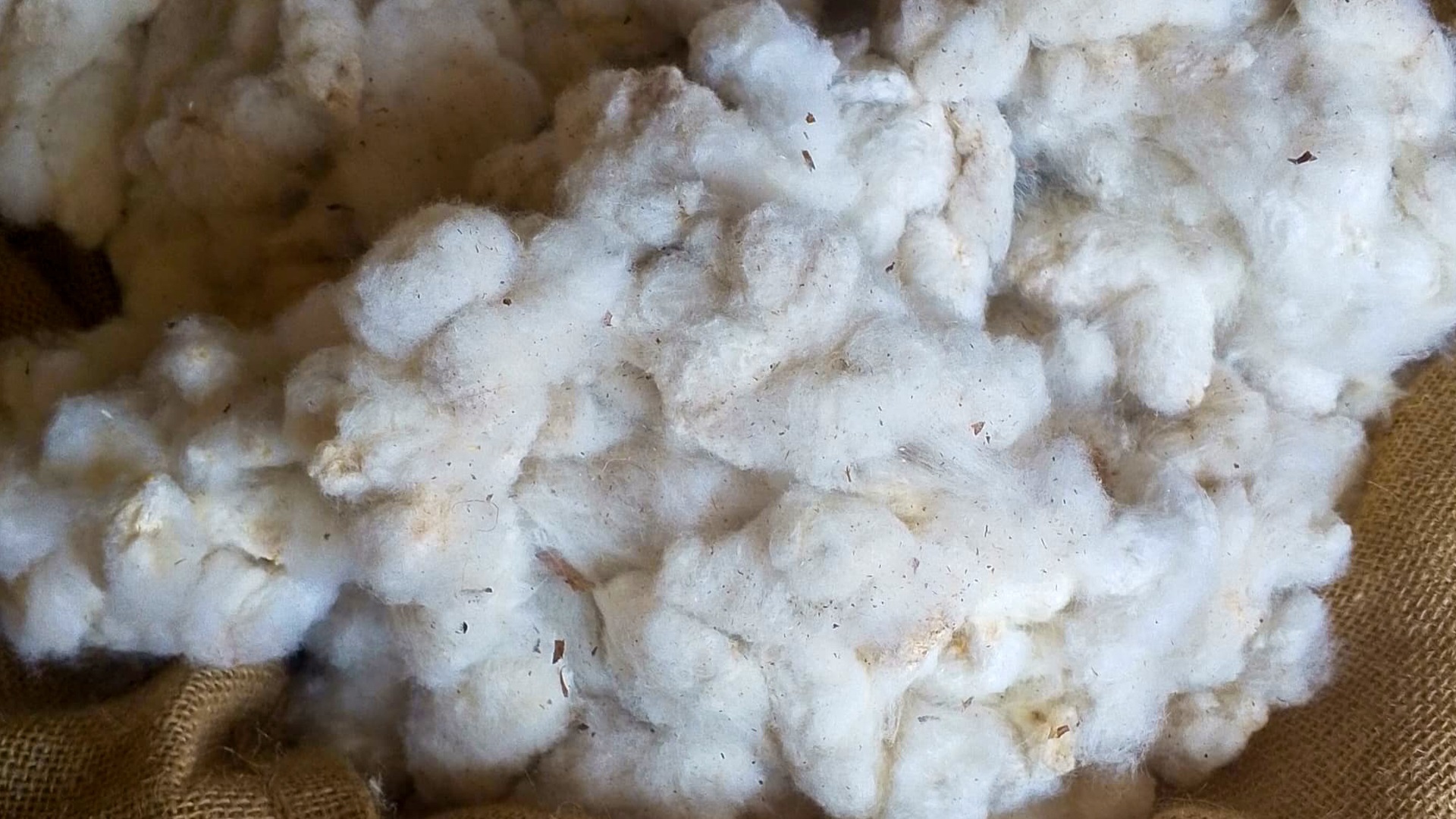
Cotton Helps Families Meet Education Costs
FIAN Zambia, part of the international human rights organisation advocating for the right to food, says cotton farming can improve rural children’s access to education.
Country coordinator Vladimir Chilinya pointed to Magoye in Southern Province, where cotton income helps families cover costs not included under free education, including books, uniforms and food.
“When you visit Magoye, you see many children attending school because of the free education policy but also because their parents are earning income from cotton. The crop has enabled families to educate their children from primary school right up to tertiary level,” he said.
Chilinya added that cotton provided a vital alternative during the 2023/2024 drought, when maize production was severely affected.
“When maize fails, farmers need an alternative source of income. Cotton becomes very important because it can sustain livelihoods even during difficult seasons,” he said.
For Benita Mainga, who has spent years cultivating cotton in Dumba, the connection between the crop and education is direct.
“I live here on my farm in Dumba; since I started growing cotton, it has really helped me in educating my children,” she said.
Although the family also grows maize, Mainga says cotton income helped one of her children attend college.
“Cotton is a cash crop, and no matter what happens, I will continue to grow it. I always know that with cotton I will have money for my children’s school fees,” she said.
Her experience reflects the financial role cotton plays in farming households. Food crops may feed a family, but farmers need cash to pay for education, healthcare, clothing and other expenses.
Mainga believes better seed and stronger prices would allow her family to earn more from the land it already cultivates.
“What we are asking for is quality seed so that we can have high yields; prices also need to improve because we spend a lot on inputs such as weed killers, yet the market price is not very good,” she said.
Her husband, Kenneth Mainga, says cotton also provides income more quickly than maize, which can remain in storage for months while farmers wait for buyers.
“I cannot do without cotton cultivation because it helps with many necessities, including buying clothes. You cannot rely on maize because it takes long to sell, but with cotton you get instant cash,” he said.
“If one cotton plant can give us 100 bolls, that is good enough; we need hybrid seed so yields can improve,” he added.
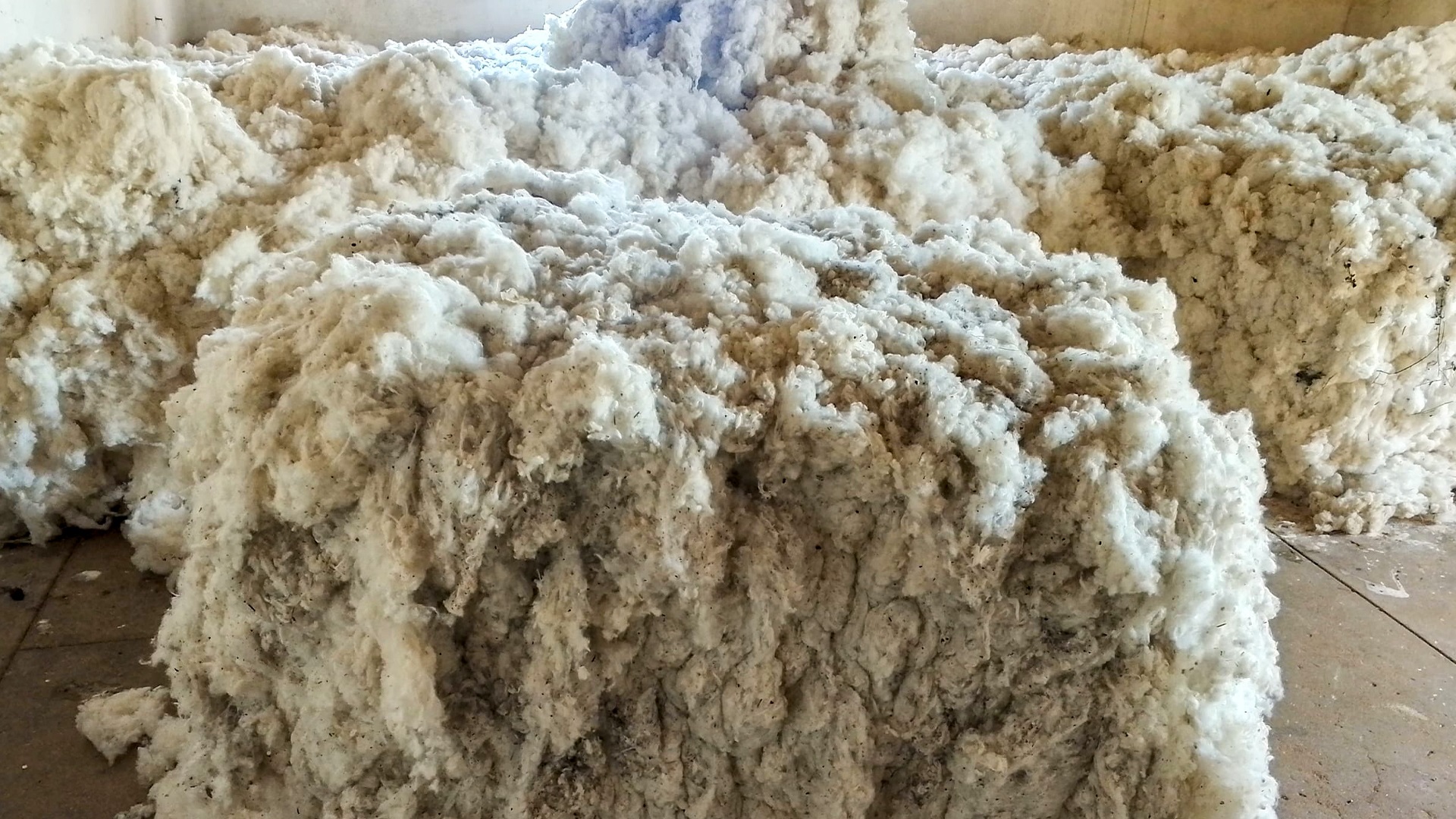
University Fees Paid From The Harvest
For Chompya Balewa, cotton income has made it possible to support two children through higher education.
“This year I have two children at university, and I managed to pay for both of them without challenges, using money from cotton,” he said.
Cotton has also proved more resilient than maize during periods of erratic rainfall, he said. During a recent drought, his maize crop was badly affected, but he still harvested cotton.
“From cotton I harvested about 1,000 kilograms, which I sold and used to buy food. From maize I only got 20 bags,” he said.
The timing of payment was just as important as the size of the harvest.
“Right now the maize marketing season has not yet started, but for cotton we have already delivered, and we have been paid,” he said.
That immediate access to cash enables families to respond to school requirements, healthcare costs and household emergencies instead of waiting for the maize-buying season.
Concelia Kalumba, 52, has grown cotton since 1990. She says it has remained an important source of household income for more than three decades.
“We started growing cotton in 1990, and we are still growing it up to now. It has been a good source of income, especially for taking care of family needs such as sending children to school and buying food,” she said.
“When you harvest cotton and take it to sell, you receive your payment immediately.”
Vista Bautu, who began growing the crop in 2013 and joined the Cotton Development Trust two years later, also points to the difference between the cotton and maize markets.
“Cotton really helps a lot; it is faster in terms of getting paid compared to maize.”
“Our maize is still stored, waiting for the Food Reserve Agency to buy it. But for cotton I was already paid, and I was able to do one or two things for the family,” he said.
From Cotton Income To School Supplies
Cotton Development Trust extension officer Catherine Chito says farmers commonly use their earnings to meet education costs.
“After harvesting, whatever farmers get helps them take their children to school; they buy uniforms, shoes, books, school bags and everything else using money from cotton,” she said.
Farmers also use the proceeds to build houses, buy bicycles and motorbikes, purchase food and improve their general standard of living, she said.
“In some households, people do not even grow maize; they grow cotton and use the money to buy maize meal,” she added.
Chito says cotton’s deep roots help it withstand periods of limited rainfall better than maize. That resilience is becoming more important as increasingly unpredictable weather threatens rural incomes and food production.
Cotton farming nevertheless carries risks. Farmers must pay for inputs while confronting pests, variable yields and prices they say are too low.
One current threat is the red spider mite, which damages leaves and can reduce production.
The Cotton Development Trust is advising farmers to plant early so crops can mature before infestations become severe. It is also multiplying a new variety, Simcot 1, which Chito says could produce up to 3,500 kilograms per hectare under good management. The seed has not yet been commercially released.
A Ready Market, But Too Little Production
Cotton Board of Zambia Executive Director Derrick Sichilima says cotton often provides the first substantial agricultural payment rural households receive during the marketing season.
“In many farming communities, the first money farmers receive comes from cotton; they use that money to buy school uniforms, books, shoes and other necessities,” he said.
Contract farming arrangements make the crop accessible to farmers who cannot afford to buy all their inputs upfront. Cotton companies may provide seed and chemicals on credit and recover the cost when they purchase the harvest.
“The market is available; there has never been a time when cotton produced in Zambia has failed to find buyers,” Sichilima said.
He says demand exceeds local production, creating room for more farmers to enter the sector.
Cotton companies have also supported some rural communities by constructing classroom blocks, drilling boreholes, donating books and assisting women’s and youth groups.
The Ministry of Agriculture says cotton supports smallholder farmers across Zambia’s Eastern, Central, Southern, Muchinga, Luapula, North-Western and Western provinces.
Principal public relations officer Balewa Zyuulu says its economic contribution extends beyond farms. The crop supports employment in transport, ginning, processing, marketing and manufacturing.
Cotton lint supplies textile producers, while cottonseed can be processed into cooking oil and livestock feed.
The reopening of the Zambia-China Mulungushi Textiles factory could strengthen domestic demand for Zambian cotton while creating more jobs beyond the farm.
“The revival of textile manufacturing offers Zambia an opportunity to move beyond exporting raw cotton and instead create jobs through value addition and industrialisation,” Zyuulu said.
He says the government will continue supporting the industry through better-quality seed, extension services, climate-smart farming, agricultural research and improved links between farmers and markets.
Back in Dumba, the importance of that support is visible in more than the number of kilograms farmers harvest.
It can be seen in children carrying exercise books to school, in parents able to buy uniforms when the new term begins and in university students whose fees have been paid from the family’s fields.
Read More : Traore at Four: Revolution or Repression?
For these households, the value of the harvest is measured not only in market prices, but also in report cards, graduation ceremonies and opportunities that once appeared beyond their reach.
Fumbe Chanda, Bird Story Agency.