Trending
Nigerians are struggling with a deepening cost-of-living crisis as the country’s upcoming presidential election approaches, putting immense pressure on President Bola Tinubu to prove that economic reforms will ultimately deliver relief.
Sharp inflation, currency devaluation, and the removal of fuel subsidies have severely eroded purchasing power across Africa’s largest oil exporter.
While foreign investors applaud the administration’s market-oriented overhaul, millions of citizens struggle to afford necessities, creating widespread frustration ahead of the vote.
Read More : Surging Ebola Outbreak Overwhelms Congo
Inside her modest two-room flat in Abuja, Grace Adama meticulously fastens her earrings, gathers her handbag, and steps out into the early morning light of Nigeria’s capital.
As a dedicated worker at a health NGO, Adama earns 135,000 naira ($99) each month—a sum that nearly doubles the national minimum wage.
Yet despite her relatively high salary, the relentless surge in inflation leaves her constantly struggling to make ends meet.
“If I’m paid today, my salary stays with me just for one week,” she told Reuters. “If you see the cost of living, the house, electricity, everything has gone up.”
Stripped of Longstanding Subsidies
Preparing staple dishes like jollof rice now costs citizens more than double what it did when Tinubu assumed office.
Stripped of longstanding subsidies, national petrol prices have skyrocketed sixfold.
World Bank estimates indicate that poverty has swept across the nation, rising from roughly 42 percent in 2022 to well over half the population.
The severe disconnect between struggling citizens and thriving global financial markets has added another layer of contrast to a nation already defined by economic divides.
“This is the most positive investors have been about Nigeria, probably in the last two decades,” said Thys Louw, portfolio manager at investment firm Ninety One. “They’re taking the tough medicine now.”
For Adama, however, this financial medicine carries a bitter taste. The soaring cost of survival forced her to move into a smaller apartment, cut meat from her diet, and rely on short-term loans.

“I can’t even send money to my aged mother at home… I can’t do a lot of things that I used to do before,” Adama said, reflecting the deep personal toll of the national crisis.
Economic Stagnation
Government officials insist these sacrifices are vital to break free from years of economic stagnation and unsustainable debt.
“We were living in fiscal illusions,” Nigeria’s Finance Minister, Taiwo Oyedele, said at a recent event in Abuja. “We needed to stop deceiving ourselves so the country can move forward.”
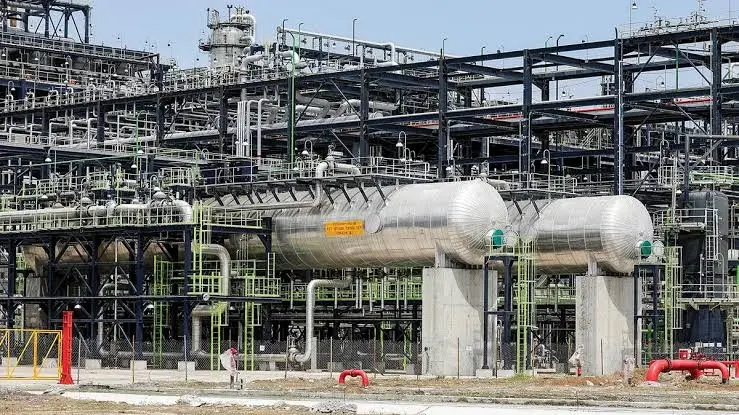
The administration points to surging foreign inflows, a booming stock exchange, and major infrastructure milestones like the Dangote refinery as proof of progress.
Yet, with fewer than 5 per cent of Nigerian adults holding stock market investments, financial relief remains distant for ordinary households facing elevated interest rates and high food costs.
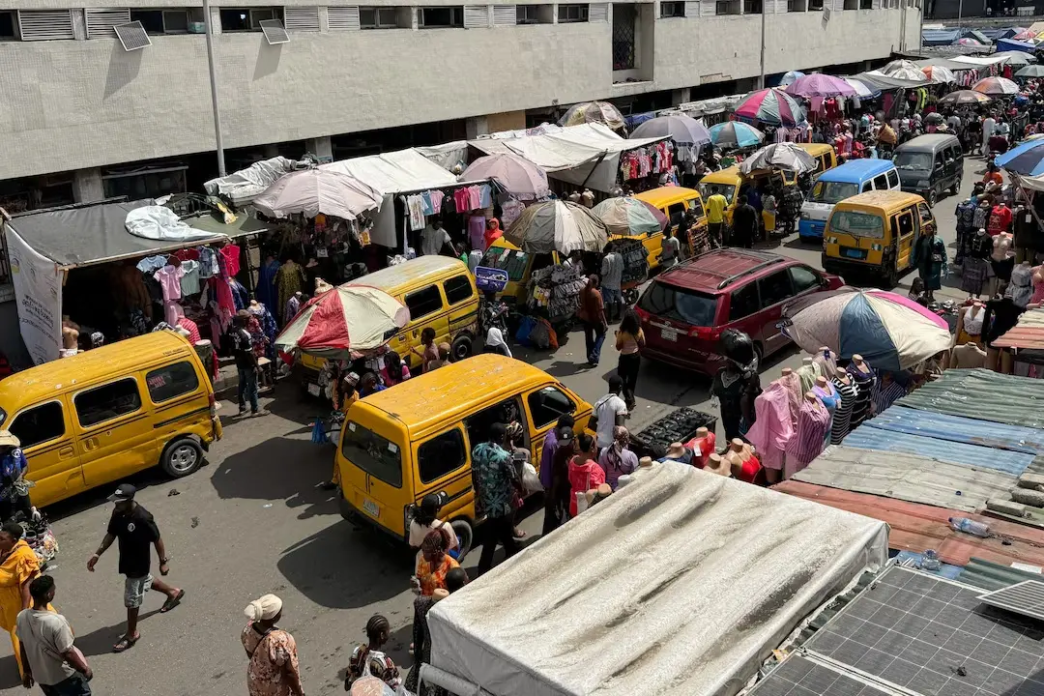
Local vendors like Lagos food seller Eji Uchenna see the strain daily as customers stop buying in bulk.
“The solution for me is for the government to bring the fuel price down,” Uchenna said.
As political tensions rise ahead of upcoming elections, the government faces increasing urgency to turn macroeconomic gains into everyday relief.
Oyedele acknowledged the danger of failing to bridge the divide: “When inequality persists, it becomes dangerous. It’s like sitting on gunpowder; it explodes.”