Trending
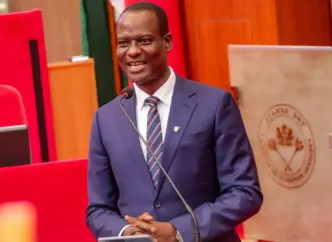
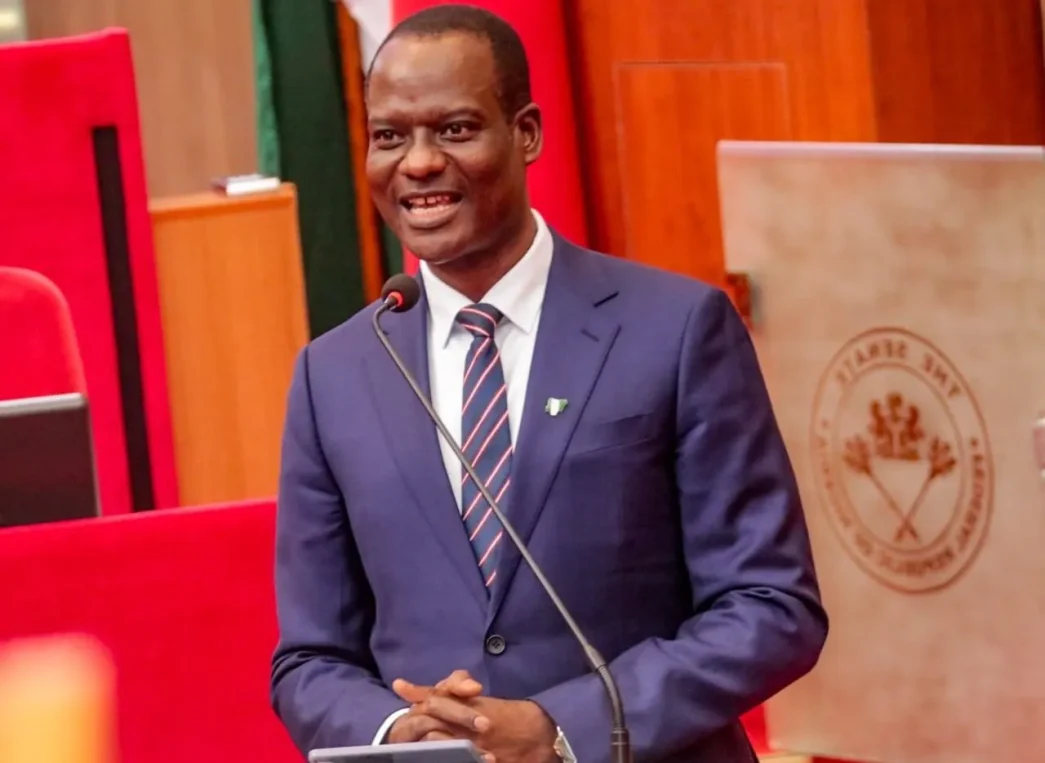
Nigeria’s Minister of Finance and Coordinating Minister of the Economy, Taiwo Oyedele, has revealed how the Nigerian Government is spending savings from the removal of the fuel subsidy, while outlining plans to reduce borrowing costs for businesses and responding to concerns over rising poverty.
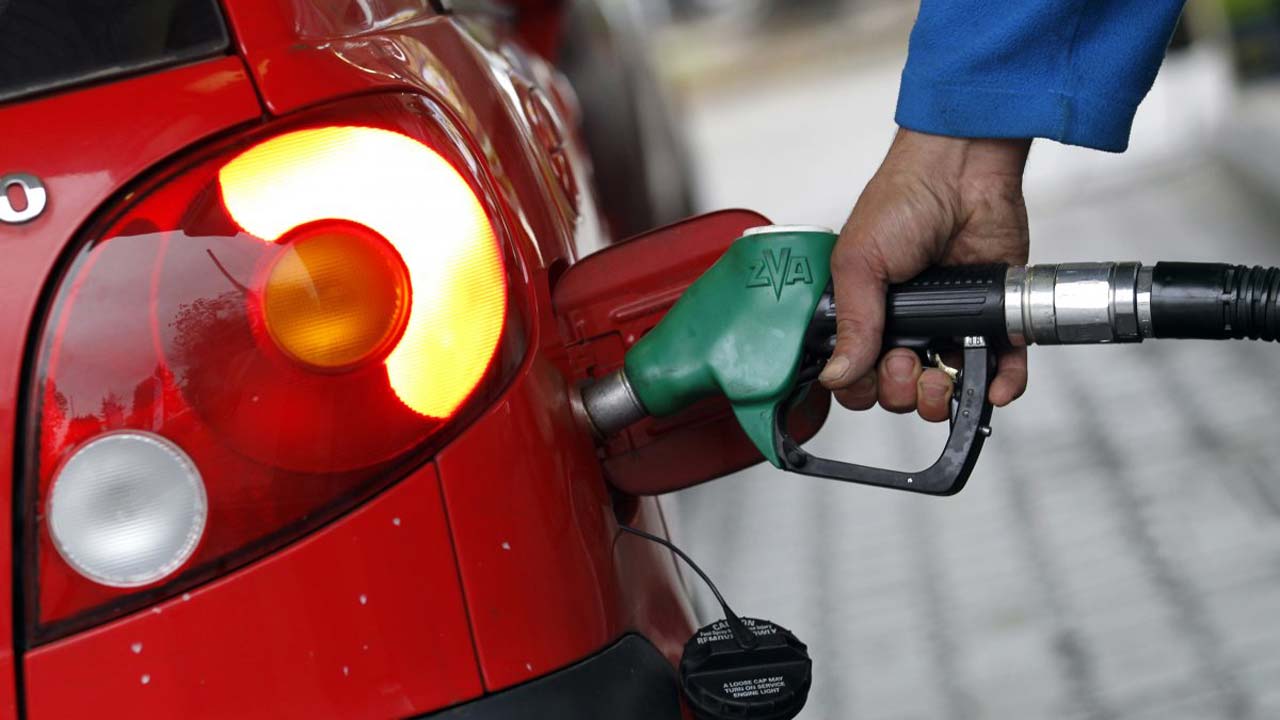
Speaking at the 7th African Emerging Markets Forum, organised by the Central Bank of Nigeria (CBN) in Abuja on Thursday, Oyedele said the primary goal of removing the fuel subsidy was to eliminate economic distortions and corruption, rather than simply save money.
“Saving money wasn’t the primary objective. It was eliminating the distortion and the corruption in the system, which is more fundamental. But the money saving is also important,” he said.
Read More : APC’s Yakubu Ali Wins Disina Bye-Election
The minister disclosed that the government would soon publish a detailed breakdown of how the subsidy savings have been spent.
“We believe that we owe a duty to explain what we do to the Nigerian people. That’s what transparency looks like,” he added.
According to him, part of the savings has been used to finance government spending previously funded by printing money, meet rising debt servicing obligations, implement the new ₦70,000 minimum wage, and support programmes such as the Nigerian Education Loan Fund (NELFUND).
Oyedele said more than 1.5 million students are now benefiting from tuition support and monthly stipends through the scheme, easing the financial burden on many families.
He also announced that the Ministry of Finance is developing a framework to lower the cost of capital for businesses without introducing new subsidies.
“Within the Ministry of Finance, we are working on a framework on how to bring down the cost of capital without introducing subsidies. We believe we can complement the work of the monetary authorities and bring down the cost of capital,” Oyedele noted.
Furthermore, he responded to the World Bank’s remarks that more Nigerians have fallen into poverty despite the reforms; Oyedele said the increase was an expected short-term consequence of the economic reset.
“Poverty has gone up because you cannot remove subsidy and people become richer. The reform itself was a reset,” he said.
However, he argued that the country is beginning to record positive results, saying Nigeria posted nearly 10 percent real per capita income growth in dollar terms in 2025.
“We want to measure our growth not just in terms of real GDP, but also in terms of shared prosperity,” Oyedele said.
Regarding unemployment, Oyedele said the official figures do not tell the full story because many Nigerians are employed but remain poor.
“If you have unemployment at five percent and poverty at close to 70 percent, then it doesn’t add up. It means you have a lot of working poor. So you don’t just need to create jobs, you create decent jobs,” he stated.
The minister also identified excessive bureaucracy and over-regulation as major obstacles to economic growth, saying preliminary government analysis showed their cost exceeded the country’s combined revenue from company income tax, personal income tax and Value Added Tax (VAT).
He said the ministry’s priorities remain revenue optimisation, economic growth and fiscal discipline, adding that a new public data portal would soon be launched to improve transparency and give Nigerians direct access to credible government economic data.
Read More : Bauchi Demands Release Of Three APM Supporters
“Revenue optimisation, growth and fiscal discipline. We will place Nigeria’s interest above every other interest, and we want to be accountable to Nigerians,” Oyedele said.
Finance Minister Taiwo Oyedele says the decision to remove fuel subsidy went beyond cost savings, adding that the government will provide details on how the funds have supported public services, wages and student programmes. pic.twitter.com/zDv4gkU58X
— News Central TV (@NewsCentralTV) July 30, 2026