Trending

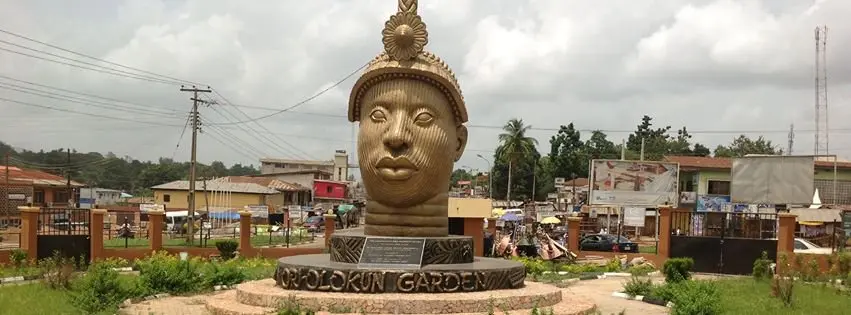
Osun State has entered the final stretch ahead of its governorship election on Saturday, August 15, with attention turning to the state’s history, people, political structure, economy and the issues shaping the contest.
The governorship election will determine whether incumbent Governor Ademola Adeleke secures a second term or hands power to a new administration.
The August 15, 2026 election has developed into more than a contest between candidates, with party realignments, old political rivalries, Adeleke’s move from the Peoples Democratic Party (PDP) to the Accord Party and a new dispute over the freezing of state government accounts adding to the political drama.
Read More : Obi Queries Tinubu’s UNGA Absence, Hails Mahama
Here are 10 things to know about Osun State ahead of the election.
1. Osun was created in 1991
Osun State was created on August 27, 1991, during the military administration of General Ibrahim Babangida.
It was carved out of the old Oyo State, with Osogbo becoming the state capital.
More than three decades later, Osun has grown into an important political and cultural centre in Nigeria’s South-West.
2. Osun is one of Nigeria’s six South-West states
Osun is located in Nigeria’s South-West geopolitical zone.
It shares boundaries with Ekiti and Ondo states to the east, Kwara to the north, Ogun to the south and Oyo to the west.
The state is predominantly Yoruba-speaking and has strong cultural and historical links with other South-West states.
3. Osun has 30 Local Government Areas
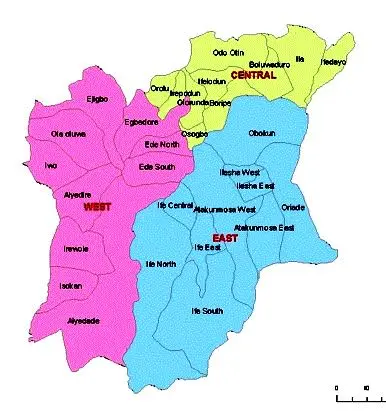
The state is divided into 30 local government Areas and three senatorial districts: Osun East, Osun Central and Osun West.
Osogbo, the capital, is also home to the Osun-Osogbo Sacred Grove, a UNESCO World Heritage Site and one of Nigeria’s major cultural landmarks.
4. Osun has deep Yoruba cultural roots
Osun is closely associated with Yoruba history and traditional institutions.
Ile-Ife, one of the state’s most prominent cities, is regarded as a major centre of Yoruba civilisation and traditional heritage.
The annual Osun-Osogbo Festival also attracts devotees, tourists and cultural enthusiasts from Nigeria and beyond.
5. Osun’s population figure of 4.7 million
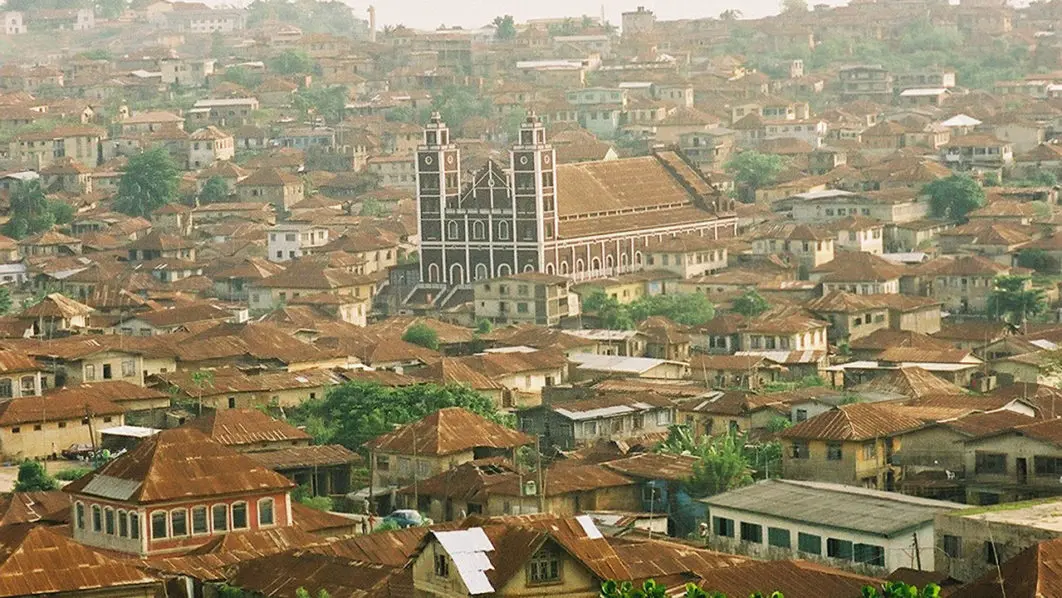
Osun State’s population has been estimated at about 4.7 million people, based on a 2016 population projection.
Data published by the National Bureau of Statistics (NBS), using estimates from the National Population Commission (NPC), put the state’s 2016 projected population at 4,705,589, comprising about 2.40 million males and 2.31 million females.
6. Adeleke’s political journey to a second term has been far from smooth
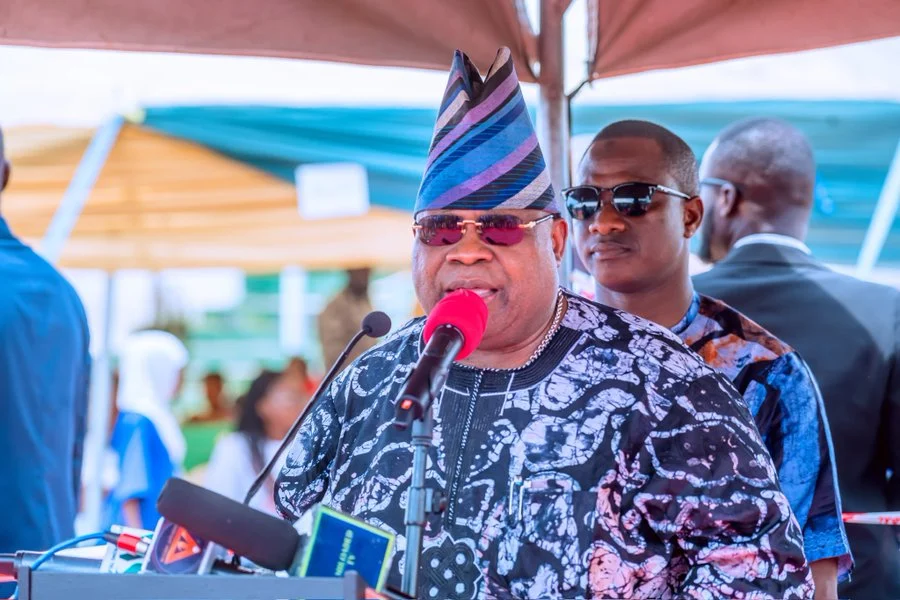
Governor Ademola Adeleke won the 2022 governorship election on the People’s Democratic Party (PDP) platform, defeating then-incumbent Governor Gboyega Oyetola of the All Progressives Congress (APC).
The victory ended the APC’s hold on the Osun Government House and followed a highly contested election.
Oyetola challenged the result in court, but the Supreme Court ultimately upheld Adeleke’s victory.
The political battle did not end there.
As Adeleke prepared for a second term, the PDP became swamped in internal disputes that disrupted its preparations for the 2026 election.
Ward congresses were stalled, delegate processes were affected, and the party’s governorship primary was suspended during the crisis.
The crisis eventually contributed to Adeleke’s decision to leave the PDP and join the Accord Party, under which he is seeking re-election.
That switch has turned his second-term bid into a major political test: can Adeleke retain the support of the political structure that helped him win in 2022 while building a new platform around Accord?
7. APC is fighting to reclaim Osun
The APC is seeking to return to power after losing the state to Adeleke in 2022.
The party has nominated Bola Oyebamiji, former Managing Director of the National Inland Waterways Authority, as its candidate.
Former Governor Oyetola, who lost his re-election bid to Adeleke in 2022, withdrew from the 2026 race but pledged to support the APC’s effort to regain control of the state.
The APC’s campaign has therefore become part of a wider effort to reverse its 2022 defeat.
8. ADC has emerged as another major contender
The African Democratic Congress (ADC) has also positioned itself as a serious challenger in the election.
Its candidate, Najeem Salaam, is a former Speaker of the Osun State House of Assembly.
The party has attracted prominent national figures, including presidential candidate Atiku Abubakar, National Chairman David Mark and Secretary Rauf Aregbesola, who have campaigned for Salaam across the state.
The presence of ADC means the contest is not simply an Adeleke-APC battle, with the opposition party seeking to attract voters looking for an alternative to the two established political camps.
9. The EFCC account-freezing controversy
Days before the election, the Economic and Financial Crimes Commission (EFCC) obtained an order freezing accounts belonging to the Osun State Government.
The EFCC said the action was connected to an investigation into the alleged mismanagement of about ₦11 billion in ecological and intervention funds.
Adeleke rejected the allegations and accused the anti-graft agency of politically motivated action, particularly because of the timing ahead of the August 15 election.
The controversy escalated after President Bola Tinubu directed the EFCC to return to court and seek the vacation of the order, saying the timing could affect public confidence in the credibility of the election.
The episode has therefore become one of the major political talking points of the 2026 Osun contest.
10. The August 15 election will test Osun’s political direction
The election will determine whether Adeleke remains in Government House for another term or whether the APC, ADC or another candidate can take control of the state.
It will also test the strength of political realignments that have taken place since 2022.
For Adeleke, victory would confirm his ability to overcome the PDP crisis, leave the party and successfully defend his administration under a new political platform.
For the APC, victory would mark a return to power after four years in opposition.
For the ADC, a strong performance or outright victory would establish the party as a significant political force in Osun.
What is at stake?
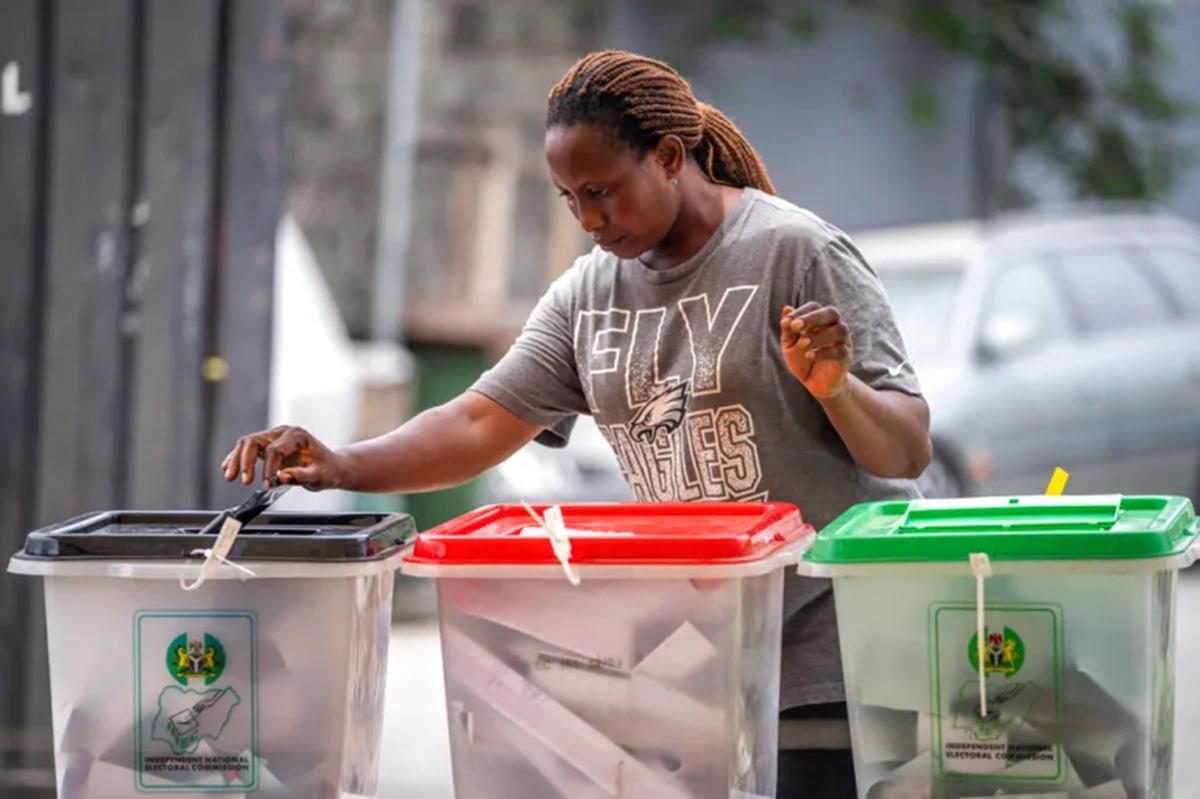
Beyond the political parties and personalities, voters will be deciding who they believe can best manage the state’s resources and address issues affecting their daily lives.
Read More : Shettima Reiterates Calls For UN Reform
Education, healthcare, infrastructure, agriculture, employment, workers’ welfare and local development remain central issues in the campaigns.
The election also carries significance beyond Osun because it is one of the major political contests ahead of Nigeria’s 2027 general elections.
On August 15, voters across the state will decide whether Adeleke gets another term or whether Osun begins another political chapter.