Trending
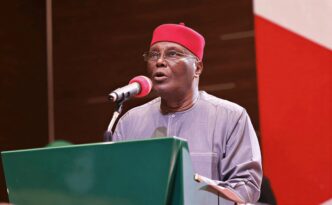
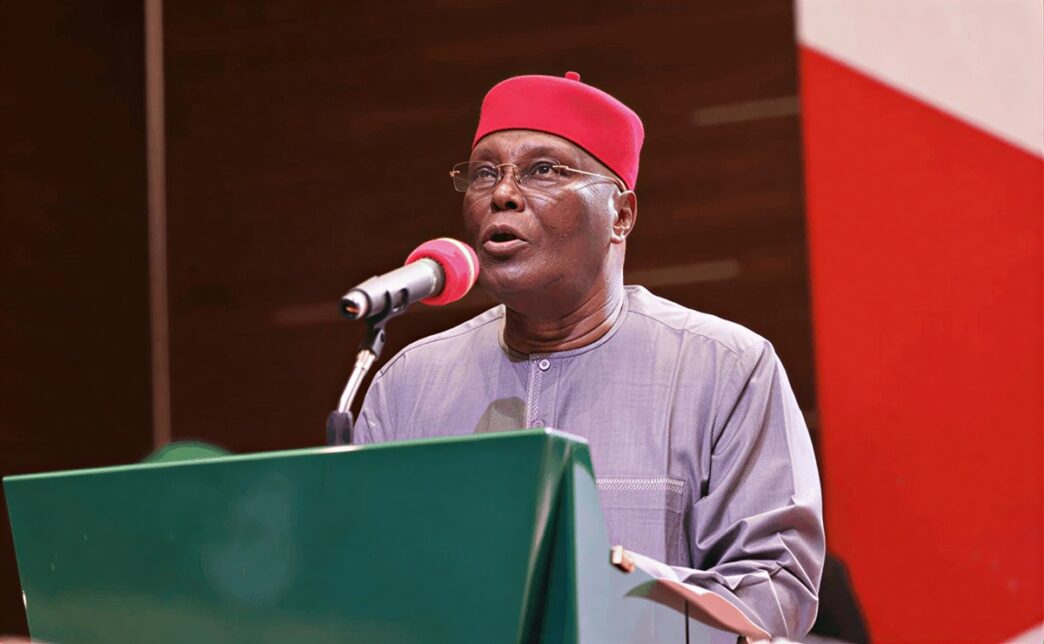
African Democratic Congress (ADC) presidential candidate Atiku Abubakar has said his proposed petroleum subsidy would focus on domestic refining and production, rather than a return to “Nigeria’s discredited import-subsidy regime”.
Atiku’s position was disclosed in a statement issued on Tuesday by his Senior Special Assistant on Public Communication, Phrank Shaibu, following comments attributed to another spokesperson, Paul Ibe, who suggested that an Atiku administration would restore the fuel subsidy before eventually removing it.
According to Shaibu, the comments were “an unauthorised, imprecise and materially misleading characterisation of Atiku’s policy position”.
Read More : Ekiti’s Oyebanji Sworn in for Second Term
He added that spokespersons were not authorised to redefine the candidate’s policies.
“For avoidance of the doubt, policy belongs to the candidate, not the spokesperson. Our responsibility as communicators is to explain Atiku’s position accurately, not create formulations capable of confusing Nigerians or handing opponents convenient talking points,” Shaibu said.
He clarified that the ADC presidential candidate was not proposing a return to the previous system in which government subsidised imported petrol and subsequently planned to withdraw the subsidy at a fixed date.
“Atiku has never proposed restoring the import-subsidy regime and subsequently removing it on some predetermined date. That is not his policy and should not be attributed to him,” he said.
According to Shaibu, Atiku’s proposed intervention would instead be “targeted, capped, transparently budgeted and independently audited,” with the objective of supporting domestic refining and production.
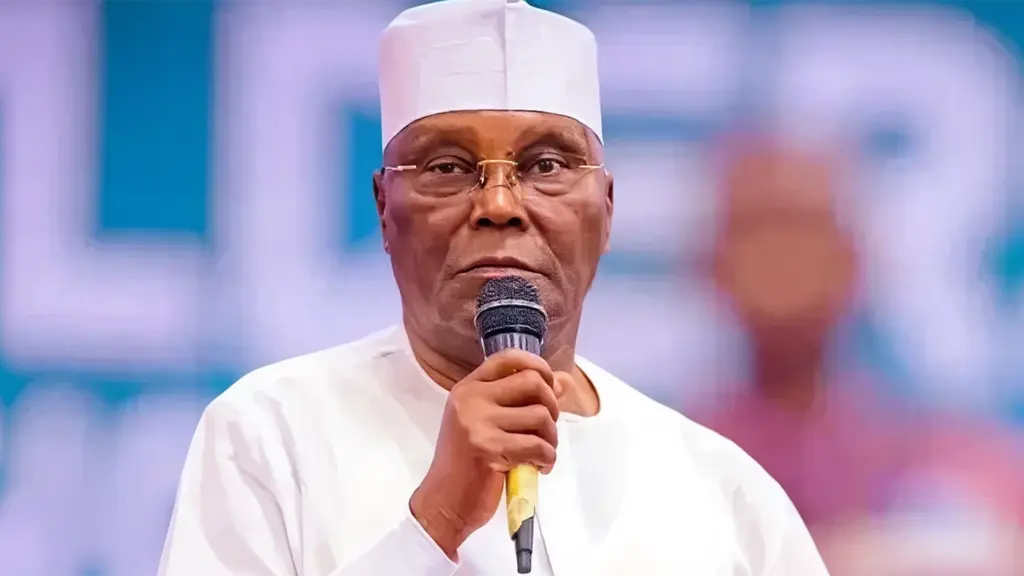
He explained that the intervention would not have an arbitrary end date but would gradually become unnecessary as domestic production improves and market conditions stabilise.
“There is no arbitrary withdrawal date. As domestic refining expands, supply stabilises, competition deepens, and the market becomes capable of delivering affordable prices without government support. The intervention progressively becomes unnecessary,” Shaibu said.
He likened the proposed intervention to temporary structural support, saying: “You do not remove scaffolding because the calendar says so. You remove it when the building can stand securely on its own.”
Shaibu said the focus should be on how government policies can reduce the financial pressure on households rather than on the terminology surrounding the intervention.
“The real question is simple: Why has everything become so expensive, and what will Atiku do to make life affordable again?” he said.
He also criticised President Bola Tinubu’s economic reforms, arguing that they had increased pressure on households.
“Tinubu transferred the shock of his reforms to Nigerian families. Atiku will reduce production and transportation costs, strengthen domestic refining, and restore purchasing power,” Shaibu said.
He framed the policy choice as one between the current high cost of living and Atiku’s proposed approach.
“The choice is not removal of subsidy versus restoration of subsidy. It is Expensive Nigeria versus Affordable Nigeria,” he said.
Atiku’s clarification comes as the 2027 presidential race gathers momentum, with political parties and candidates increasingly outlining economic policies they say would address inflation, energy costs and declining household purchasing power.
PRESS STATEMENT
ATIKU: I WILL RESTORE SUBSIDY TO CUT YOUR COSTS, NOT TO FEED TINUBU & FRIENDS
*Clarifies intervention will be targeted and capped, with measurable exit conditions — not arbitrary dates — built in from day one*
Read More : INEC Decries Exclusion of PwDs in Akwa Ibom
Former Vice President and Presidential Candidate…
— Abdul Rasheeth (@Rasheethe) August 25, 2026