Trending
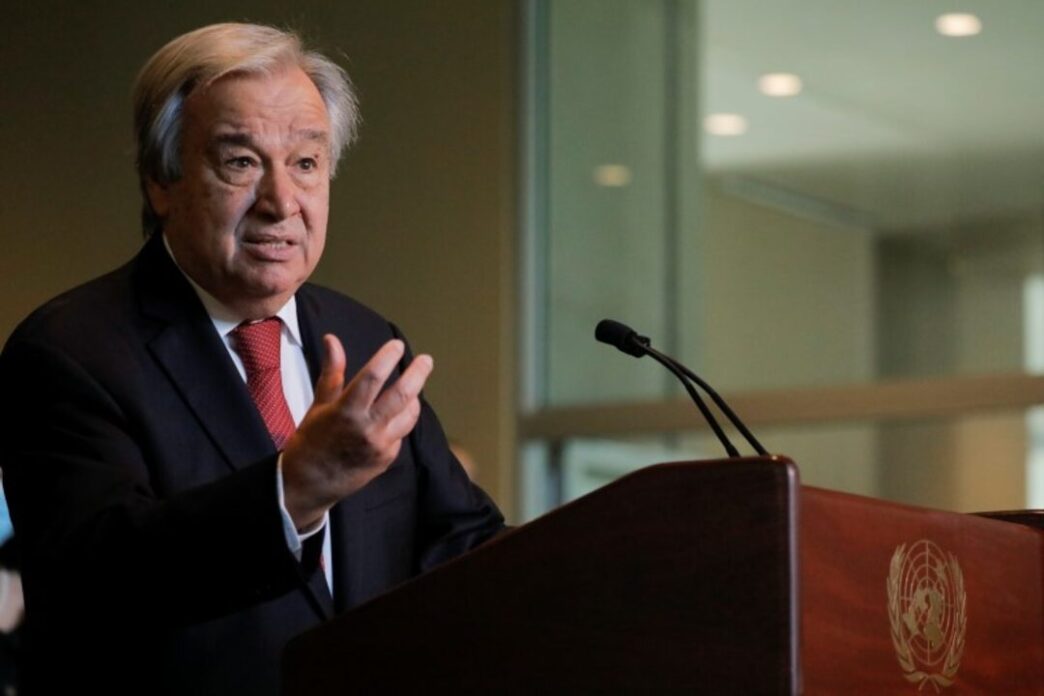
United Nations (UN) Secretary-General António Guterres has urged nuclear-armed states to suspend nuclear testing, warning that renewed tests could fuel a new nuclear arms race and erode global trust.
Guterres made the appeal in a post on X, marking the International Day against Nuclear Tests, observed on August 29.
“Nuclear tests shatter trust, fuel a nuclear arms race & betray every community still living with the legacy of past nuclear tests,” Guterres said.
Read More : Canada Begins Free Trade Talks With Turkey
He urged all countries possessing nuclear weapons to maintain existing moratoriums and take steps to bring the Comprehensive Nuclear-Test-Ban Treaty (CTBT) into force.
“Let’s re-commit to ending nuclear testing,” he said.
The UN chief’s warning comes as the international community marks 35 years since Kazakhstan closed the Soviet Union’s Semipalatinsk nuclear test site, one of the world’s largest nuclear testing grounds.
The site was permanently closed on August 29, 1991, a date that later became the basis for the UN’s annual observance against nuclear testing.
Nuclear testing began on July 16, 1945, when the United States conducted the first atomic bomb test at the Trinity site in New Mexico.
More than 2,000 nuclear tests have been carried out worldwide since then, with the United States conducting 1,032, the Soviet Union 715, France 210, Britain 45 and China 45, according to the UN.
The tests have left a lasting legacy of radioactive contamination and health and environmental damage in communities around former testing sites
The CTBT was adopted by the UN General Assembly in 1996 and prohibits all nuclear explosions, whether conducted for military or other purposes.
However, the treaty has not yet entered into force. As of the UN’s latest figures, 188 countries have signed it and 179 have ratified it.
Entry into force requires ratification by all 44 countries listed in the treaty’s Annex 2, which comprises states that participated in negotiations on the treaty and possessed nuclear power or research reactors at the time. Several of those countries have yet to ratify the treaty.
Although the CTBT is not legally in force, it has helped establish a powerful international norm against nuclear explosive testing.
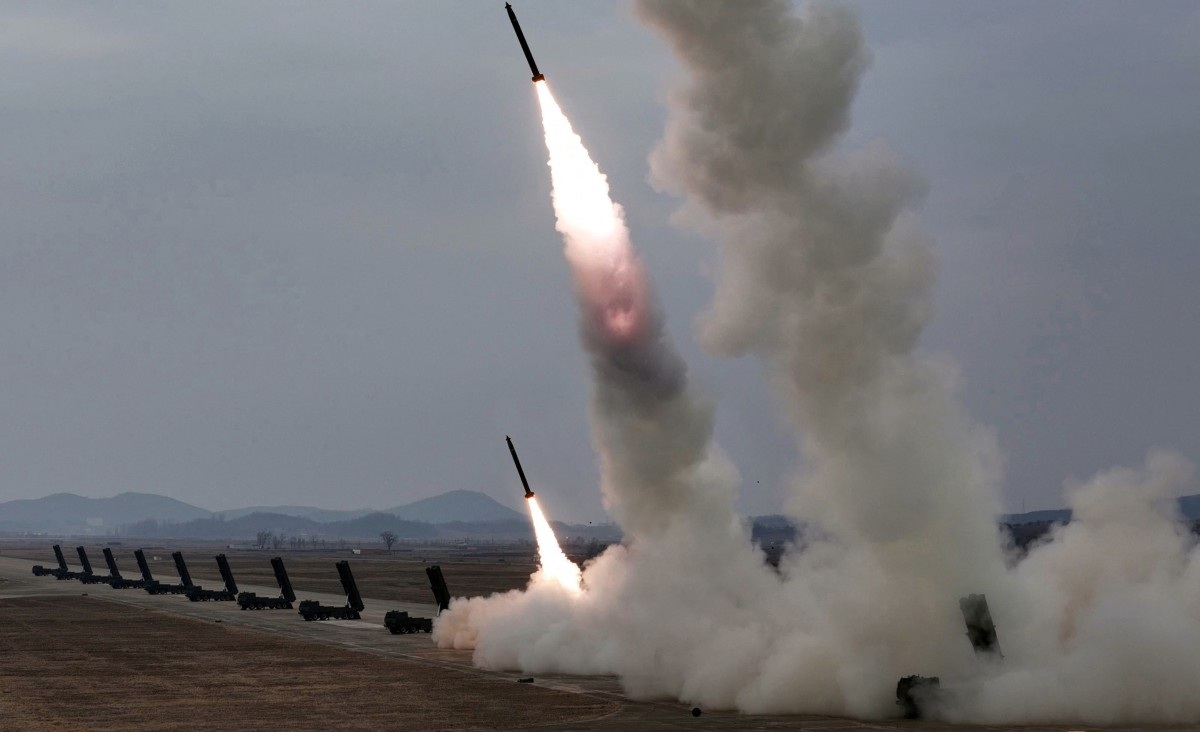
The UN says only 10 nuclear tests have been conducted since the treaty opened for signature in 1996.
India and Pakistan conducted tests in 1998, while North Korea carried out six tests between 2006 and 2017.
India and Pakistan subsequently declared unilateral moratoriums and have conducted no further nuclear tests since 1998, while North Korea’s 2017 test remains the most recent confirmed nuclear explosion.
The treaty’s verification system has also continued to develop despite its delayed entry into force.
The CTBTO’s International Monitoring System is designed to detect nuclear explosions worldwide using seismic, hydroacoustic, infrasound and radionuclide monitoring.
The UN says more than 300 monitoring facilities are already certified and transmitting data.
United Nations
Guterres has consistently argued that ending nuclear testing is both a disarmament and non-proliferation measure, because preventing explosive tests can constrain the development of new and more sophisticated nuclear weapons.
His latest appeal follows the 2026 review of the Nuclear Non-Proliferation Treaty, where nuclear disarmament and non-proliferation remained central issues for the international community.
Nuclear tests shatter trust, fuel a nuclear arms race & betray every community still living with the legacy of past nuclear tests.
Read More : Poland Faces New Abortion Rights Protests
I call on all countries possessing nuclear weapons to maintain existing moratoria & bring the Comprehensive Nuclear-Test-Ban Treaty into force.…
— António Guterres (@antonioguterres) August 29, 2026