Trending

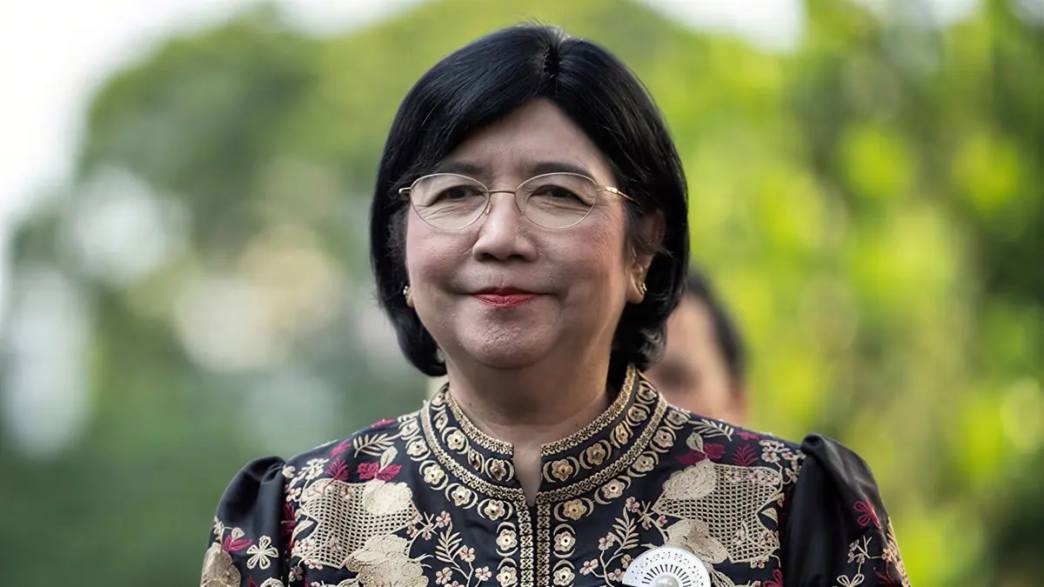
Indonesia’s parliament has approved Destry Damayanti as the new governor of the country’s central bank, Bank Indonesia, following the unexpected resignation of Perry Warjiyo in July.
Damayanti was the only candidate nominated by President Prabowo Subianto last month and had been serving as acting governor since Warjiyo stepped down.
Her appointment had been closely watched for indications of possible political influence over the central bank. Prabowo’s nephew, Thomas Djiwandono, who is a deputy governor at Bank Indonesia, had previously been mentioned as a possible successor.
Read More : Two Dead in Houthi Strike on Saudi Airport
The 62-year-old economist joined Bank Indonesia’s senior leadership as deputy governor in 2019 and took over as acting governor following Warjiyo’s departure.
Fitch Ratings said her nomination pointed to continued expectations of stability and consistency in the central bank’s policies.
During her confirmation hearing before parliament last week, Damayanti pledged to preserve Bank Indonesia’s credibility and independence while ensuring it remains responsive to economic challenges and supports sustainable growth.
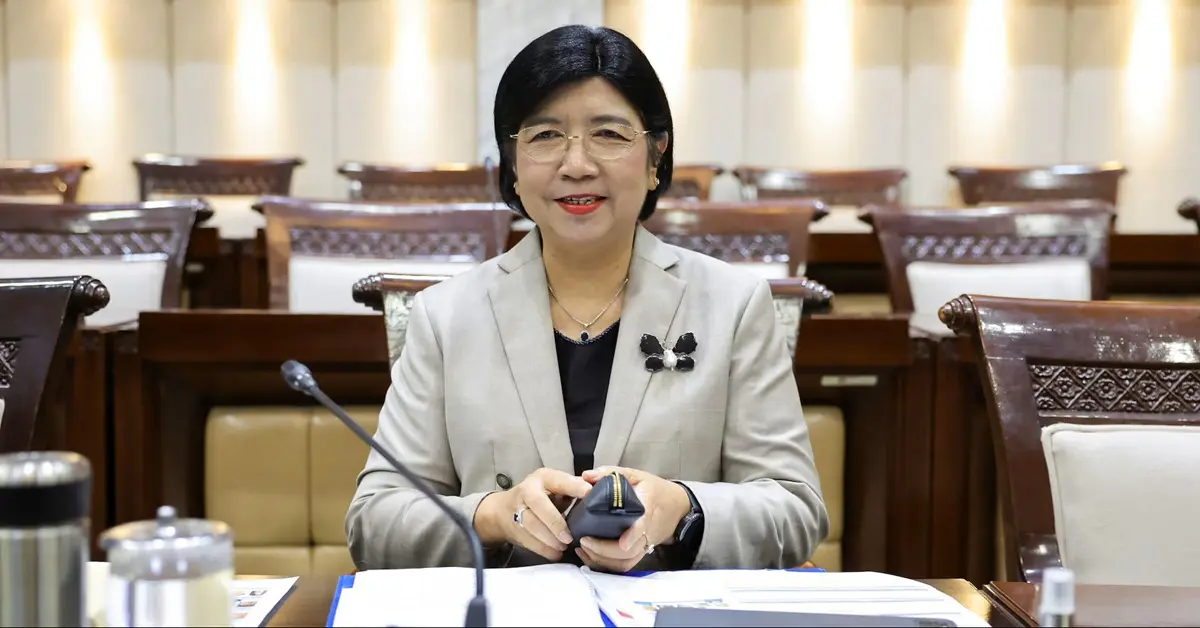
Warjiyo’s resignation was the second unexpected departure of a senior economic policymaker since Prabowo became president in October 2024. His exit prompted speculation that he had faced pressure to align monetary policy more closely with the government’s growth agenda, according to Capital Economics and other analysts.
Concerns about the central bank’s independence also increased after parliament passed a bill in June giving lawmakers greater powers to assess Bank Indonesia’s performance and assigning it a role in promoting economic growth, a key priority for Prabowo’s administration.
Warjiyo resigned as the Indonesian rupiah weakened sharply and the country’s stock market came under pressure.
Read More : Saudi Airport Attack Kills One, Injures Eight
Bank Indonesia’s board of governors, made up of the governor and several deputies, is responsible for setting monetary policy and interest rates.
At Warjiyo’s final policy meeting in July, the central bank kept its benchmark interest rate at 5.75 per cent after cutting rates by a cumulative 100 basis points earlier in the year. Capital Economics said the decision may have disappointed the government, which had been seeking stronger support for economic growth.
The central bank also kept borrowing costs unchanged at its subsequent policy meeting.