Trending


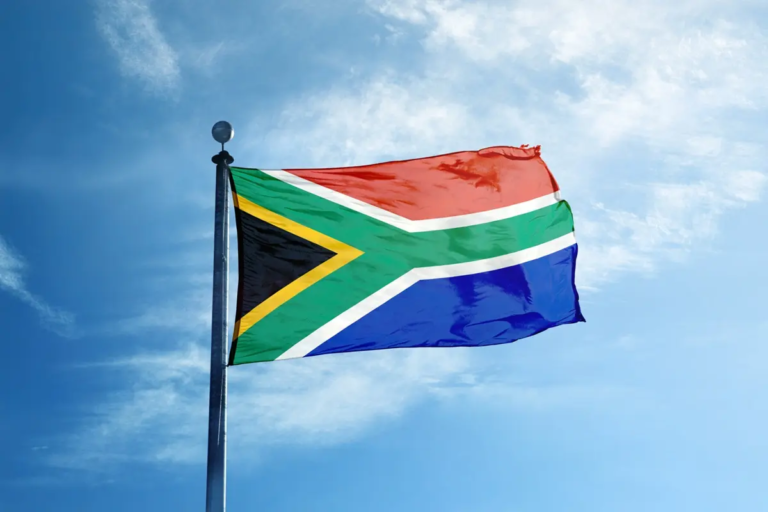
South Africa’s economy has contracted for the first time in nearly two years, ending a period of steady growth as the impact of the Iran war and weak domestic demand weighed on economic activity.
The country’s national statistics agency, StatsSA, said on Tuesday that gross domestic product (GDP) declined by 0.2 per cent in the second quarter of 2026 compared with the previous quarter, after adjusting for seasonal factors.
The downturn comes less than two months before local government elections, putting economic performance at the centre of political debate as voters prepare to choose new municipal leadership.
Mining recorded the biggest decline, shrinking by three per cent as output of key commodities, including platinum-group metals, manganese, gold and iron ore, fell. The trade sector also contracted by 1.9 per cent, ending six consecutive quarters of growth, while manufacturing recorded its third straight quarterly decline.
StatsSA said seven of the manufacturing sector’s 10 divisions reported lower production during the period, adding to concerns about the strength of industrial activity.
The economy also faced pressure from rising imports, weaker investment and reduced capital spending by businesses and public corporations. Exports recorded only modest growth during the quarter.
In June, StatsSA warned that the Middle East conflict, which began in late February and contributed to higher fuel prices earlier in the year, could affect economic activity in the second quarter.
The slowdown has added to existing economic challenges, with unemployment remaining above 33 per cent, one of the highest rates globally. South Africa lost 345,000 jobs during the quarter, with most losses recorded in the community and social services sector.
The economic decline is expected to influence political discussions ahead of the November local government elections, as years of weak growth have increased public frustration.
The ruling African National Congress (ANC) has faced growing pressure over its economic record after losing its national majority in 2024 for the first time since the end of apartheid.
The party was forced to form a coalition government with opposition groups, creating a new political environment as economic concerns remain a major issue for voters.