Trending
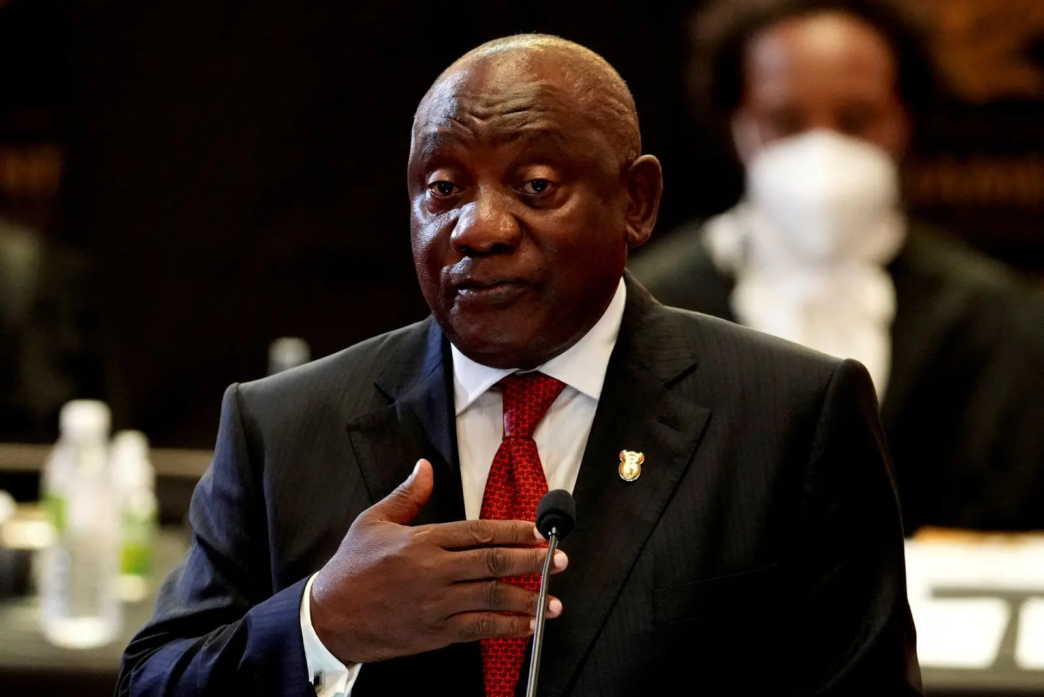
South Africa has condemned the recent US visa restrictions linked to its racial equity policies, accusing the Trump administration of misrepresenting its laws and of worsening tensions between the two nations.
The latest dispute comes as disagreements over race, trade and diplomacy have strained relations between Washington and Pretoria.
The United States has cut aid to South Africa, imposed tariffs, expelled the country’s ambassador, and boycotted a G20 summit hosted in Johannesburg, as both sides continue to grapple with issues stemming from South Africa’s history of white minority rule.
US Secretary of State Marco Rubio said the new visa restrictions would target people accused of promoting race-based discrimination, inciting violence or enabling land confiscation without compensation in South Africa.
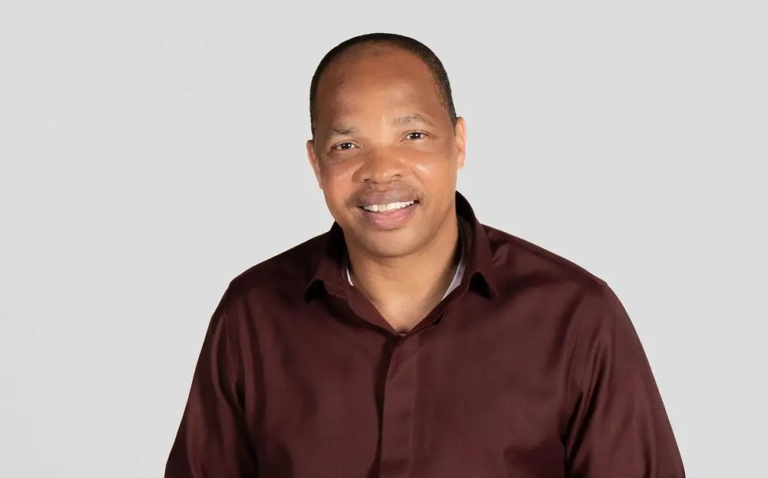
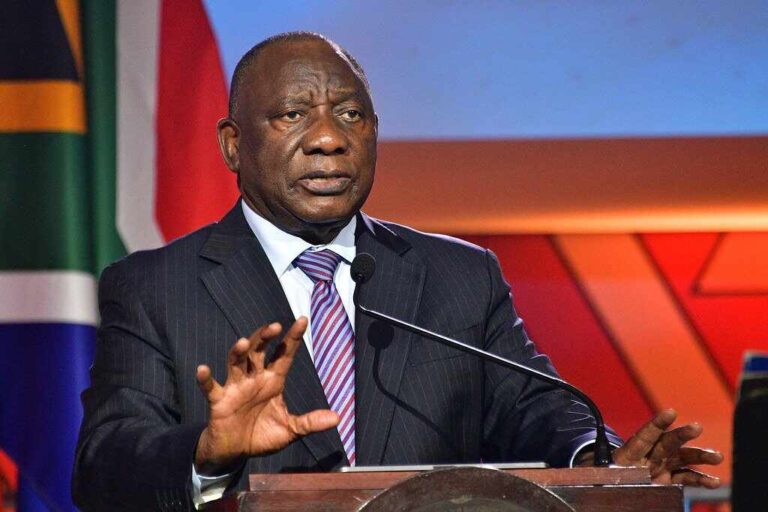
South Africa’s Foreign Minister Ronald Lamola said Pretoria is concerned by the move and accused Washington of repeating narratives promoted by fringe groups opposed to the country’s post-apartheid reforms.
Lamola said South Africa remains committed to addressing the divisions created by its past and building a society based on democratic values, social justice and fundamental human rights, in line with its constitution.
“We reiterate that healing the divisions of the past and establishing a society based on democratic values, social justice and fundamental human rights is a constitutional imperative,” Lamola said in a statement.
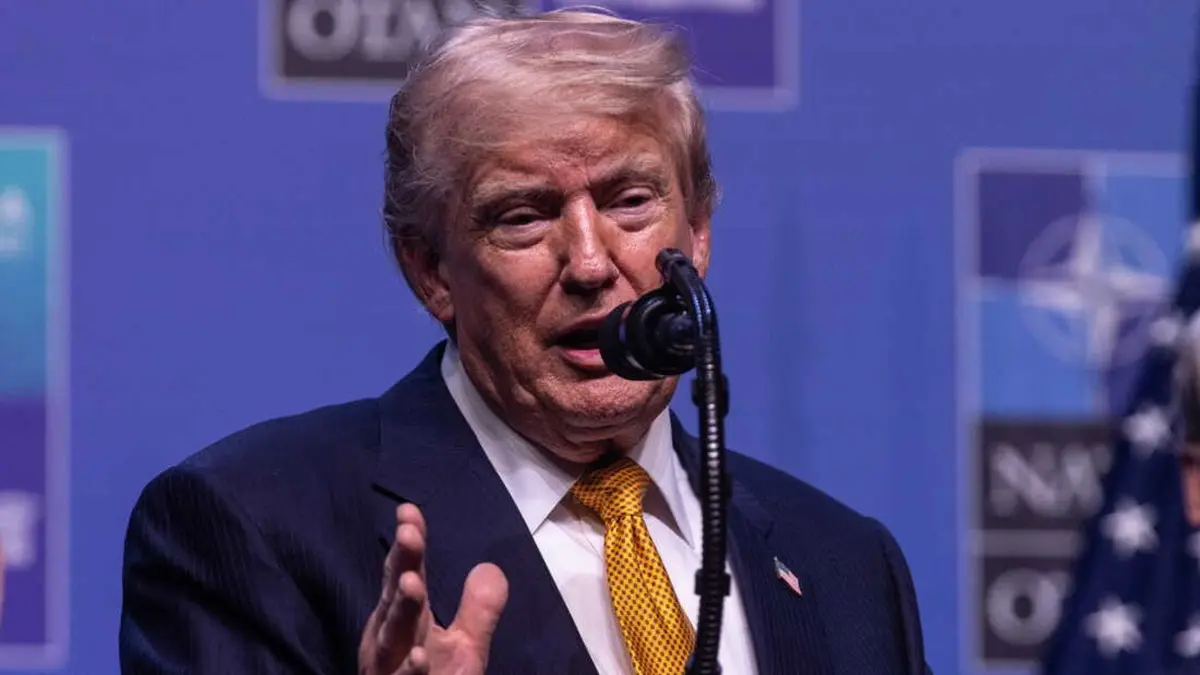
The United States has not identified anyone targeted by the restrictions but warned that further severe measures could follow.
US Ambassador to South Africa Brent Bozell described the visa restrictions as the first in a series of escalating measures intended to demonstrate Washington’s position on the issue.
“This visa restriction policy is only the first step in a series of escalatory measures that will show America’s firm resolve in this matter,” Bozell said.
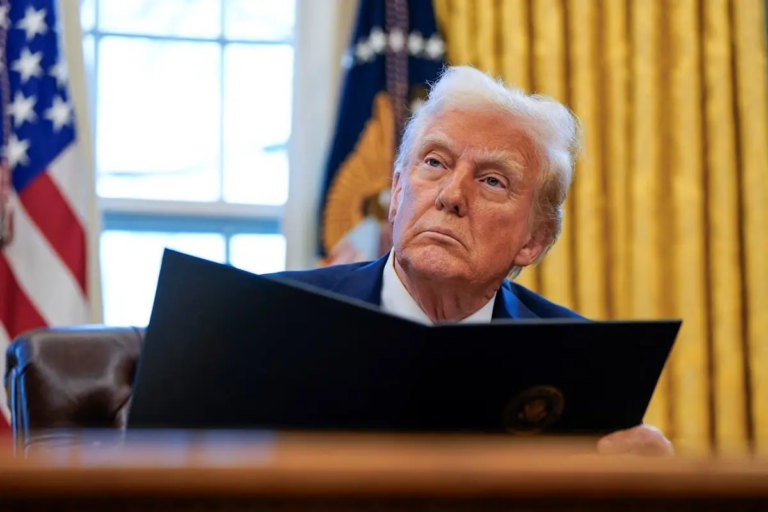
President Donald Trump has repeatedly criticised South Africa’s land reform and employment equity laws, which were introduced after apartheid to address racial disparities.
Trump has argued that the policies discriminate against Afrikaners, the white minority largely descended from Dutch settlers, a position rejected by the South African government.
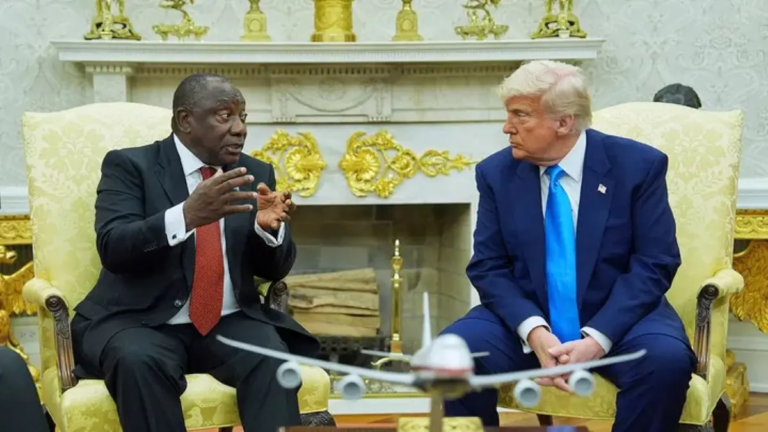
In 2025, Trump confronted President Cyril Ramaphosa at the White House over claims of a “white genocide” in South Africa, which have been discredited.
While the Trump administration has broadly tightened immigration policies, it has also offered refugee status to thousands of white South Africans it says face persecution.
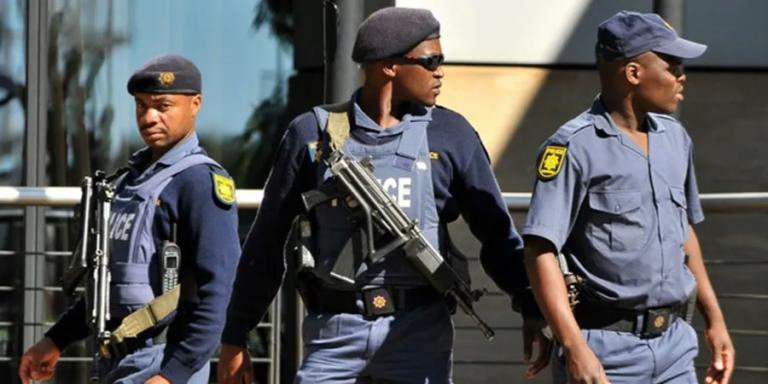
Lamola rejected suggestions that South Africa’s government was targeting a particular racial group, saying crime remained a national problem affecting people across the country.
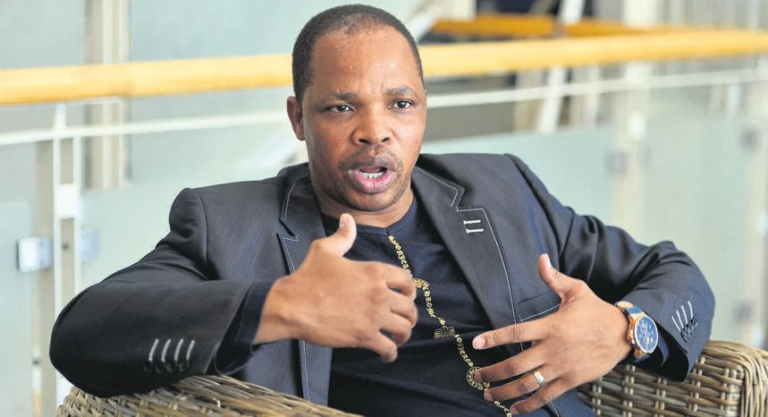
South Africa’s opposition uMkhonto we Sizwe party, led by former President Jacob Zuma, also condemned the US restrictions as an infringement on the country’s sovereignty.
The party accused Washington of hypocrisy, pointing to US support for Israel while citing reports of more than 73,000 Palestinians killed in Gaza.
Despite the tensions, South Africa and the United States have continued discussions to improve relations.
Lamola said the talks showed the need for any solution to recognise South Africa’s circumstances and respect its democracy, constitution, sovereignty, and the will of its people.
South Africa is the United States’ largest trading partner in Africa, with more than 500 US businesses and about 30,000 US citizens based in the country.
Pretoria said last month it would offer the United States a “generous” new trade deal as it seeks to avoid high tariffs that could lead to job losses in a country already facing a severe unemployment crisis.