Trending
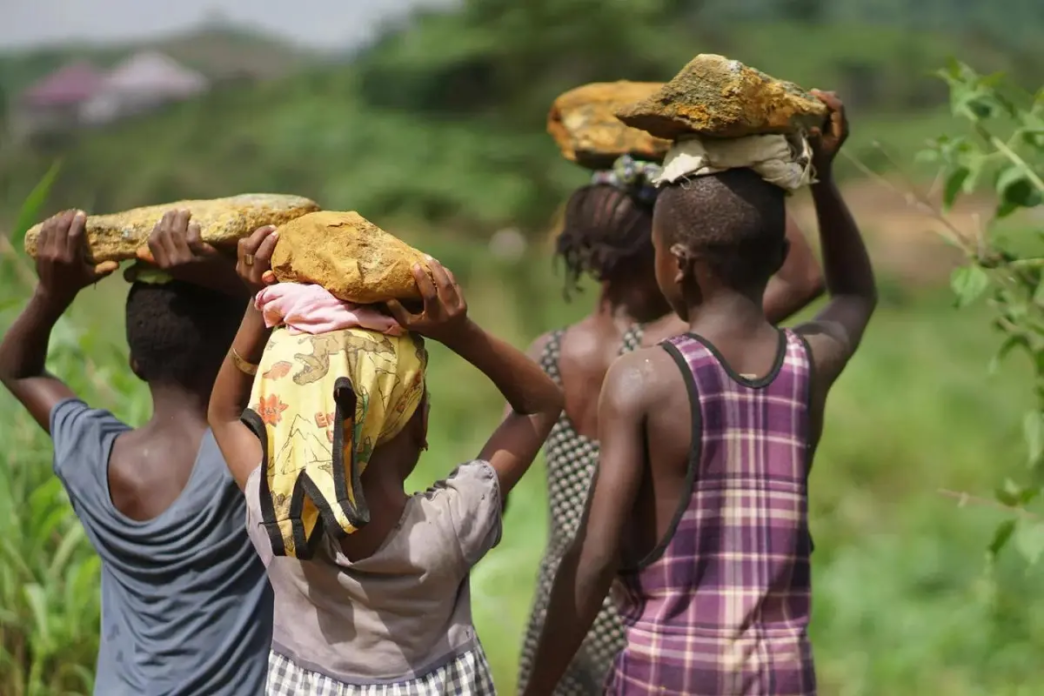
The Nigerian Government has made the elimination of child labour one of its national development priorities, pledging stronger measures to protect children from exploitation.
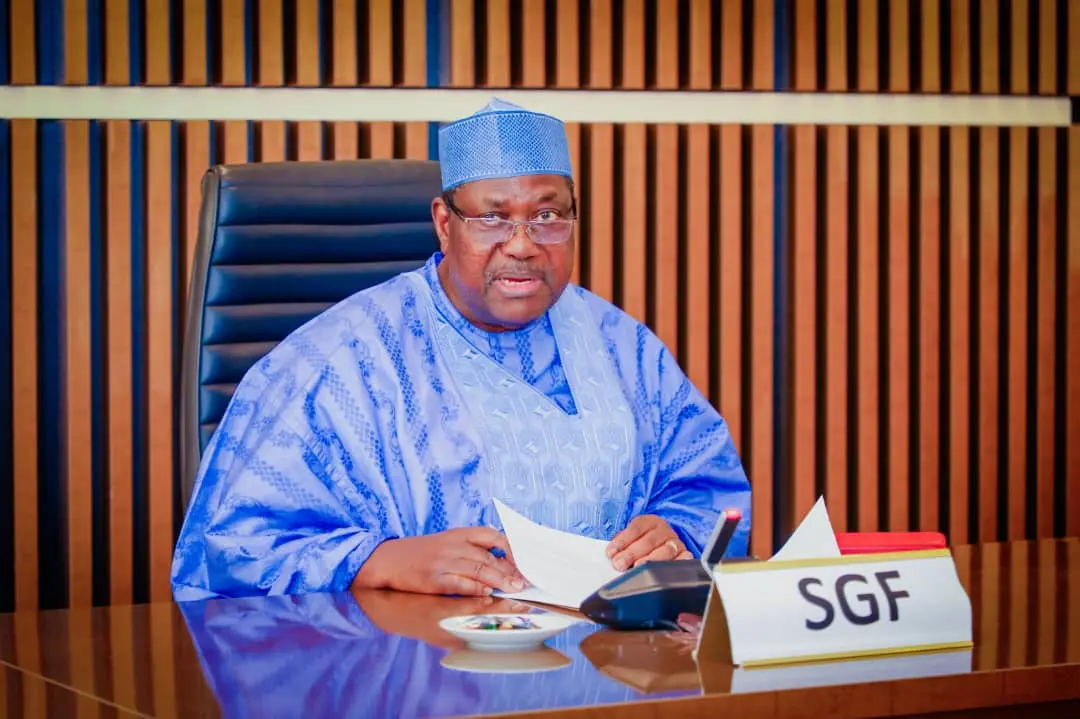
Secretary to the Government of the Federation (SGF), George Akume, made the commitment on Wednesday in Abuja at a national dialogue on implementing Nigeria’s National Child Labour Policy and National Action Plan.
Akume linked the fight against child labour to education, social protection, economic growth and human capital development.
The International Labour Organisation (ILO) Country Director for Nigeria, Ghana, Liberia and Sierra Leone, Dr Vanessa Phala, described child labour as both a child protection and labour market challenge.
Phala identified poverty, vulnerability, inadequate access to education, weak social protection systems and limited livelihood opportunities as major drivers of child labour.
Akume said the Nigerian Government would strengthen labour administration, improve inspection systems and enhance child protection mechanisms while addressing poverty, unemployment and inadequate access to quality education.
“Every child belongs in school, not in hazardous workplaces. Every child deserves protection, not exploitation,” he said.
The Cable.
Minister of Labour, Muhammad Dingyadi, said child labour remains a major obstacle to human dignity, social justice and sustainable development, depriving children of education and opportunities.
Dingyadi said findings from the National Child Labour Survey showed that millions of children were still engaged in hazardous work across various sectors.
He identified agriculture, mining, domestic work, street vending and construction as key areas where children face exploitation and dangerous working conditions.
The minister reiterated the government’s commitment to enforcing laws including the Labour Act and Child Rights Act, as well as international standards, particularly International Labour Organisation Conventions 138 and 182.
He added that the revised National Policy on Child Labour and National Action Plan 2026–2030 provide a framework for prevention, protection, enforcement, rehabilitation and accountability.
“Ending child labour cannot be achieved by government alone. It requires a whole-of-government and whole-of-society approach,” Dingyadi said.
Akume appealed to state governments to support implementation of the National Action Plan and urged employers to ensure their supply chains were free from child labour.
He also called on parents and guardians to keep children in school, while urging workers’ organisations, communities and other stakeholders to promote decent work and social justice.