Trending
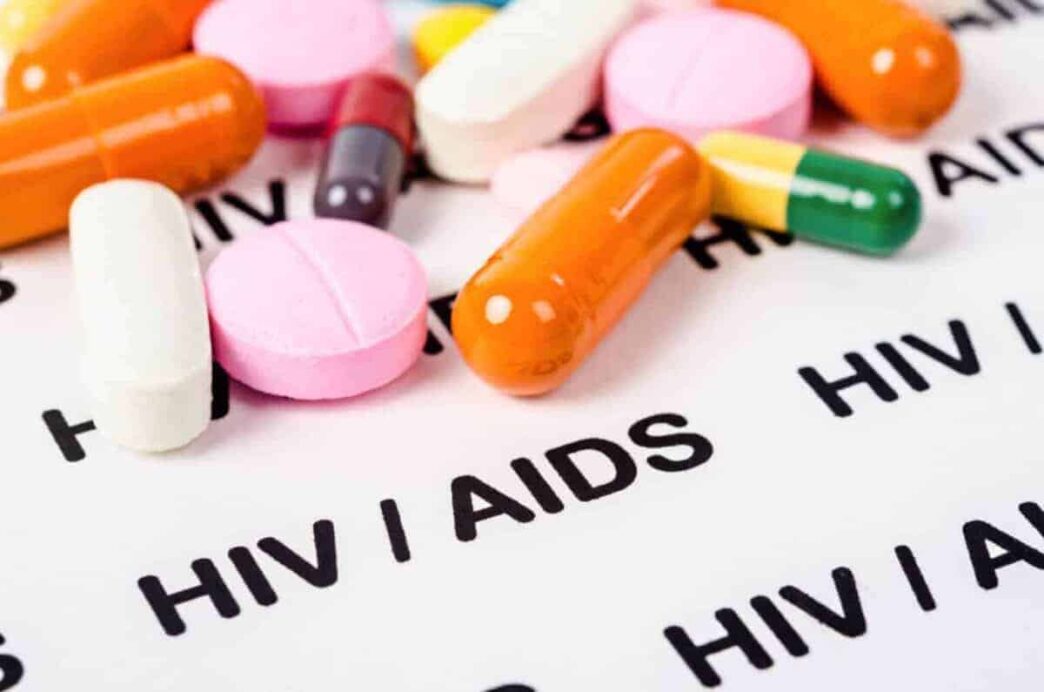
Fiji has declared HIV a national crisis following a sharp rise in cases, with an estimated one in 60 adults now living with the virus in the Pacific island nation.
Authorities said HIV diagnoses rose to 2,016 in 2025, 16 times higher than the number recorded in 2019.
“I am formally declaring a national HIV emergency in Fiji,” Health Minister Atonio Lalabalavu told reporters on Wednesday.
“This decision recognises the seriousness of the epidemic and the urgent, coordinated response our country now needs.”
The government said the estimated HIV prevalence had risen from one in 167 adults five years ago to one in 60.
It added that two in every 100 pregnant women are living with HIV. Of the 59 babies born with HIV in 2025, 18 died before their first birthday.
To curb the spread of the virus, the government said it was expanding access to free HIV testing, prevention services and treatment.
“This includes rapid testing, prevention medicine for people at higher risk, harm-reduction measures for people who inject drugs, and free treatment for people diagnosed with HIV,” the government said.

Fiji said it was receiving external support, including from Australia, New Zealand, India, the Global Fund and the United Nations.
According to UNAIDS, more than half of the new HIV cases with a known mode of transmission were linked to sexual transmission, while more than 42 per cent were linked to injecting drug use.
The UN agency welcomed Fiji’s plans to introduce legislation supporting a needle and syringe programme.
“Fiji still has an opportunity to change the course of this epidemic,” said Eamonn Murphy, UNAIDS director for regions including Asia and the Pacific.
“Stronger cooperation across the Pacific and sustained international solidarity can reinforce the national effort and help accelerate action,” he said in a statement.
UNAIDS country director in Fiji, Renata Ram, said earlier this year that HIV transmission rates began rising around 2019 with the emergence of a group of “very high-risk” injecting drug users, mainly within the sex worker community.
Pacific island countries, including Fiji, serve as transit points for drugs from Latin America and Asia destined for lucrative markets in Australia and New Zealand.
The flow of addictive substances, including methamphetamine and cocaine, increased significantly after the disruption caused by the COVID-19 pandemic, according to the Global Initiative Against Transnational Organised Crime.
The organisation said these drugs were increasingly entering local Pacific markets, partly because foreign criminal syndicates were compensating local facilitators with drugs.