Trending


The Nigeria Labour Congress (NLC) has urged the government to introduce emergency wage awards for workers and to allocate crude oil to local refineries in naira, as petrol prices continue to rise.
In a statement on Wednesday titled “Save the Situation Now,” NLC President Joe Ajaero also called for an expansion of Nigeria’s national storage capacity to strengthen the country’s ability to respond to energy emergencies.
The labour union warned that the latest petrol price increase would deepen the economic hardship facing households and businesses.
Checks showed that petrol is now selling for about N1,430 per litre in major cities, with prices reportedly higher in less accessible locations.
Ajaero said the rising cost of petrol would have wider consequences because higher transportation costs typically drive up the prices of food, rent, school fees, tariffs and other essential goods and services.
He also questioned why the government would allow marketers to increase the burden on Nigerians through deregulation while it seeks re-election in the coming months.
According to the NLC president, the current surge has come at a time when government pressure on marketers to reduce petrol prices in line with lower international crude prices was beginning to yield results.
He said the latest increase was linked to the resurgence of conflict in the Gulf, but argued that Nigeria’s status as an oil-producing country and its local refining capacity should protect it from external shocks.
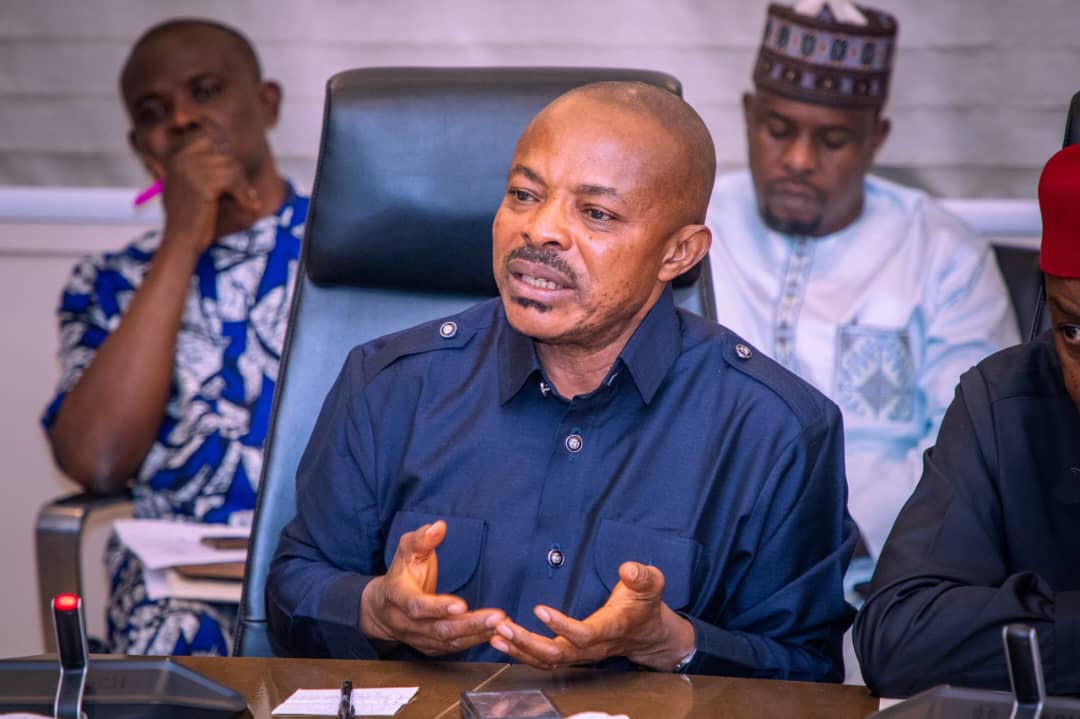
The statement read: “We are seriously concerned by the rising cost of the pump price of petrol across the country. In mega cities where petrol is readily available, the cost ranges from N1,430. In less accessible areas, the cost is much worse. This has inflicted incalculable damage not only on wages but also on our state of being as a people and as a nation.
“It is an established fact that when transportation costs go up, everything else follows, including school fees, rents, tariffs, foodstuffs, etc.
“These new costs continue to inflict or deepen poverty among the populace, stressing the quality of life to the limits.
“This new surge has come at a time when the government’s pressure on marketers to reduce the pump price to reflect crude prices in the international spot market was beginning to yield dividends.
“Yet, even as this new wave of costs is caused by the resurgence of the conflict in the Gulf, our situation need not be this bleak.
“Coupled with the fact that we are an oil-producing country, we have sufficient local refining capacity, even as this substantially resides with the private sector
“As a nation and as a people endowed with enormous fossil resources, we are deserving of a certain level of protection or buffer against the gales from the Gulf and, indeed, other gales.”
Ajaero said the government should urgently introduce measures to cushion the impact of the higher fuel prices on workers, households and businesses.
The NLC called for reasonable wage awards for workers, the sale of sufficient crude oil to local refineries in naira and an expansion of national storage capacity to strengthen energy security and emergency preparedness.
It said the measures would also support job creation, generate economic value and help address emerging security challenges.
The labour union maintained that government intervention through subsidies or other forms of support was justified in emergency situations, arguing that oil-producing countries were taking measures to protect citizens from the impact of current economic pressures.
Ajaero also pointed to the government’s additional earnings from international crude prices, which he said were between $35 and $40 per barrel above the budgeted figure.
He estimated that the difference translated to trillions of naira in additional monthly revenue and described it as a windfall that should allow the government to provide relief to citizens.
“As part of the process of creating this buffer, we urge the government to immediately give reasonable wage awards to workers; sell sufficient crude in naira to our local refineries; and expand our national storage capacity in pursuance of meeting energy emergencies and security.
“These measures will create jobs and economic value, as well as deal with mutating security challenges.
“There is nothing wrong with the government subsidising the needs of citizens, especially in emergency situations like this.
“At the moment, there is no oil-producing country we know of that has not intervened or come up with sustainable palliatives in one way or another in these perilous times.
“These measures are all the more necessary and urgent because the government is making extra money in the international spot market, between USD35 and USD40 per barrel above the budgeted figure. This translates to trillions of naira a month. The government ought to be satisfied with this, as it is a windfall,’’ he said.