Trending
Nigeria’s creative economy is increasingly being spoken of as more than a cultural success story.
The harder question is whether the country can build the institutions, trade relationships and investment structures needed to convert that cultural strength into sustained economic value.
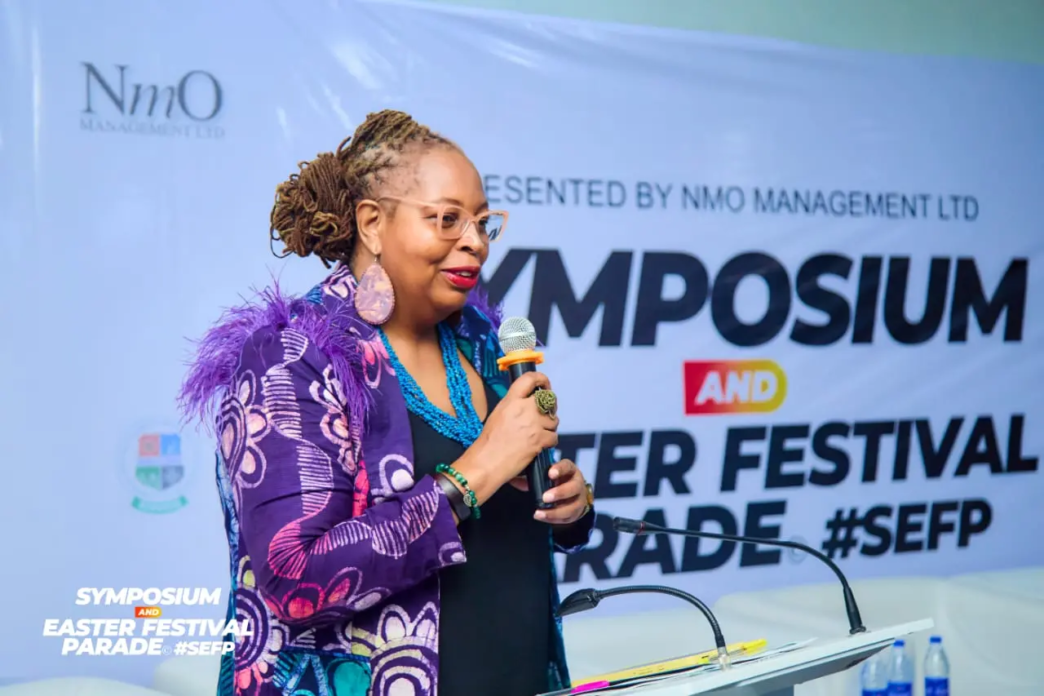
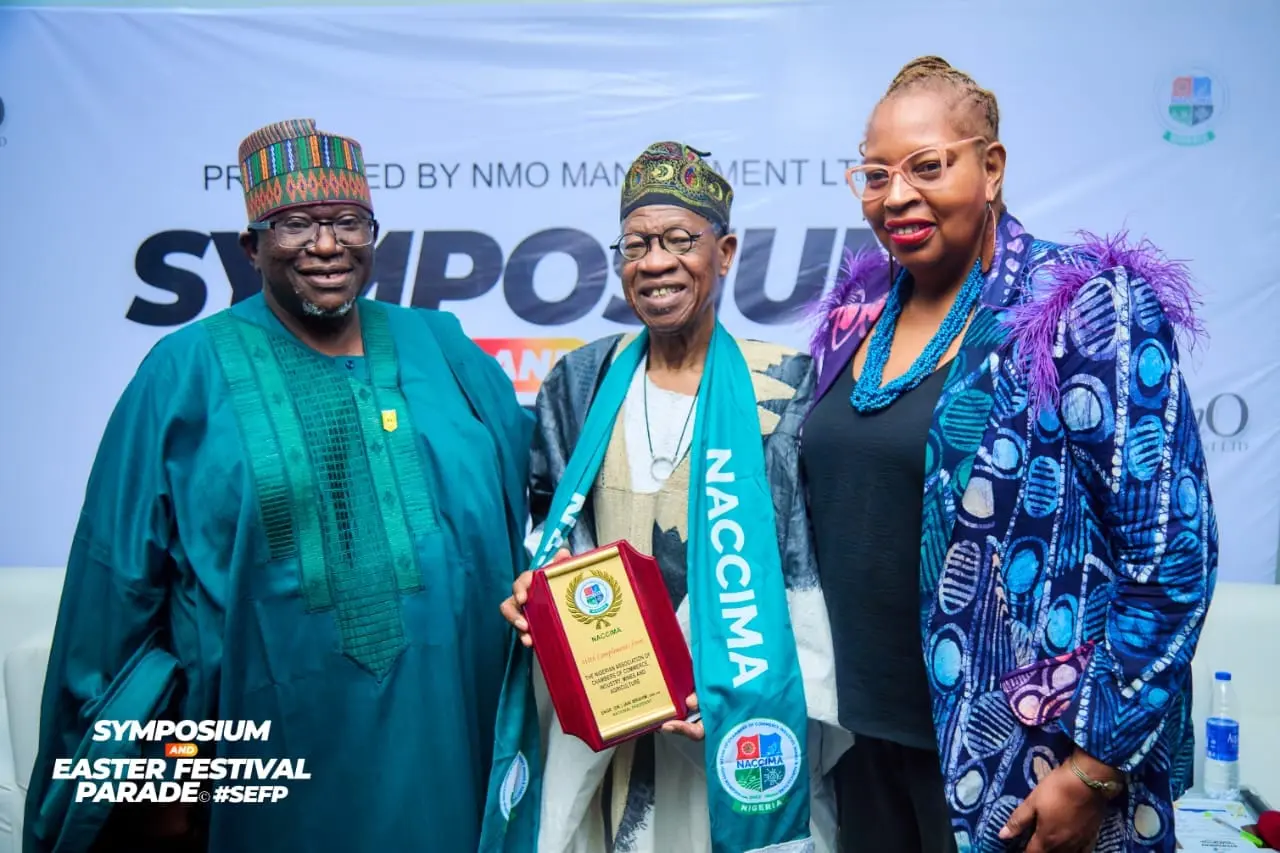
That question sits behind the latest move by the Nigerian Association of Chambers of Commerce, Industry, Mines and Agriculture (NACCIMA), which has reappointed Dr Ngozi Omambala as Vice Chairman of its Creative Economy Trade Group for the 2026/2027 tenure.
The appointment took effect on September 1 following a decision by the NACCIMA Council at its second-quarter meeting in Port Harcourt and subsequent approval by the association’s National President, Engr. Jani Ibrahim, OON.
On its own, the reappointment is an institutional development.
But its significance becomes clearer when placed alongside NACCIMA’s emerging collaboration with the Migration Observatory Lab of the Centre of African Studies at the University of Porto in Portugal.
The two developments point to a broader ambition: to move Nigeria’s creative economy from largely domestic visibility and cultural influence towards a more structured framework of trade, international partnerships, knowledge exchange and investment.
NACCIMA’s Creative Economy Trade Group has a wide remit.
It covers investment promotion across the creative economy, travel, tourism, hospitality and entertainment sectors, while also contributing to policy development, identifying constraints to growth and working with stakeholders including Nollywood, NANTAP and creative entrepreneurs.
That mandate matters because Nigeria’s creative industries have for years demonstrated their ability to produce globally recognised music, film, fashion and cultural content.
What has been less developed is the institutional architecture around that success: access to finance, export structures, intellectual-property commercialisation, professional networks, data, market access and international business partnerships.
It is in that context that the Portugal engagement becomes potentially more consequential than a routine institutional memorandum.
NACCIMA said that on September 7 it formally communicated its readiness to proceed with implementation of its collaboration with the University of Porto following the signing of a Letter of Intent.
The proposed next phase includes the preparation of a joint 12-month work plan, pilot design, resource mobilisation and coordinated stakeholder engagement.
That shift from a Letter of Intent to an implementation framework is important.
International partnerships involving African institutions are often announced with considerable optimism but produce limited commercial outcomes.
The test for this initiative will therefore be whether it creates programmes that creative businesses can actually use.
Omambala, who is representing the NACCIMA Creative Economy Trade Group in the engagement with the University of Porto, has framed the partnership in precisely those terms.
“The creative economy is increasingly becoming an important driver of enterprise, trade, investment, innovation, employment and international engagement,” she said, adding that her renewed mandate creates an opportunity to connect Nigerian creative businesses with wider domestic and international markets, institutions and investment opportunities.
Her emphasis on markets is significant.
For Nigeria, the challenge is no longer simply demonstrating that its cultural industries have international appeal.
Nollywood has audiences far beyond Nigeria. Nigerian music has established an extraordinary global footprint. Fashion, visual art, digital content and other creative sectors are also increasingly internationally visible. But visibility and commercial infrastructure are not the same thing.
A musician streaming globally, a filmmaker reaching diaspora audiences or a designer gaining international attention does not automatically translate into an efficiently functioning creative economy.
Sustainable growth requires institutions capable of connecting talent to capital, skills, distribution channels, export opportunities and international partners.
The proposed Nigeria–Portugal framework could therefore become useful if it operates at that level.
Omambala said the engagement should move beyond dialogue towards “practical programmes, knowledge exchange, institutional partnerships and resource mobilisation” capable of delivering measurable value to creative entrepreneurs and the wider economy.
That language sets a measurable standard for the initiative.
A 12-month work programme will eventually have to demonstrate what has been created: the number of participating businesses, partnerships formed, markets accessed, investment opportunities developed, knowledge transferred or projects financed.
Portugal also presents an interesting strategic connection.
For Nigerian creative businesses seeking deeper European engagement, institutional relationships can provide an entry point into new markets, research networks and cultural-exchange platforms.
The potential value is not merely in promoting Nigerian culture abroad, but in treating creative output as an economic asset capable of participating in international commerce.
NACCIMA’s involvement may prove particularly relevant in that respect.
As a chamber organisation, its natural focus is commerce rather than cultural promotion alone.
That distinction could help shift conversations around Nigeria’s creative industries towards enterprise development.
The Creative Economy Trade Group’s inclusion of tourism, hospitality and entertainment also suggests an attempt to view the sector as an interconnected economic ecosystem rather than as a collection of isolated artistic disciplines.
Film can drive tourism. Music festivals generate hospitality spending. Fashion intersects with manufacturing and retail.
Cultural events create opportunities in transport, food, technology, advertising and professional services.
Building those connections is one way creative industries can generate economic value beyond individual artists or productions.
Omambala brings that broader institutional perspective to the role.
She is also Founder and Festival Director of the Artistic Pulse Festival & Trade Fair 2026 and Group Managing Director and Chief Executive Officer of NMO Management Ltd.
Her work, according to the announcement, spans the creative economy, enterprise development, trade, cultural diplomacy and international stakeholder engagement.
But the larger story is less about one appointment than about the direction Nigeria’s creative-economy conversation is beginning to take.
For years, much of the international attention surrounding Nigerian culture has focused on its extraordinary creative output.
The next phase will require stronger attention to the commercial systems behind that output.
NACCIMA says the reappointment and University of Porto implementation process are intended to support efforts to position the creative economy as a platform for enterprise growth, trade, investment, knowledge exchange and sustainable economic development.
Whether that ambition produces measurable results will depend on execution.
The real opportunity in the Nigeria–Portugal engagement is therefore not another international endorsement of Nigerian creativity.
Read More : Tinubu Congratulates By-Election Winners
Nigeria already has considerable cultural visibility.
The opportunity is to build something more durable around it: institutions, commercial pathways and partnerships capable of turning creative influence into sustained economic activity.
That is the test that will ultimately determine whether the latest NACCIMA initiative becomes another diplomatic engagement—or a meaningful step towards making Nigeria’s creative economy a stronger part of its trade and investment architecture.