Trending
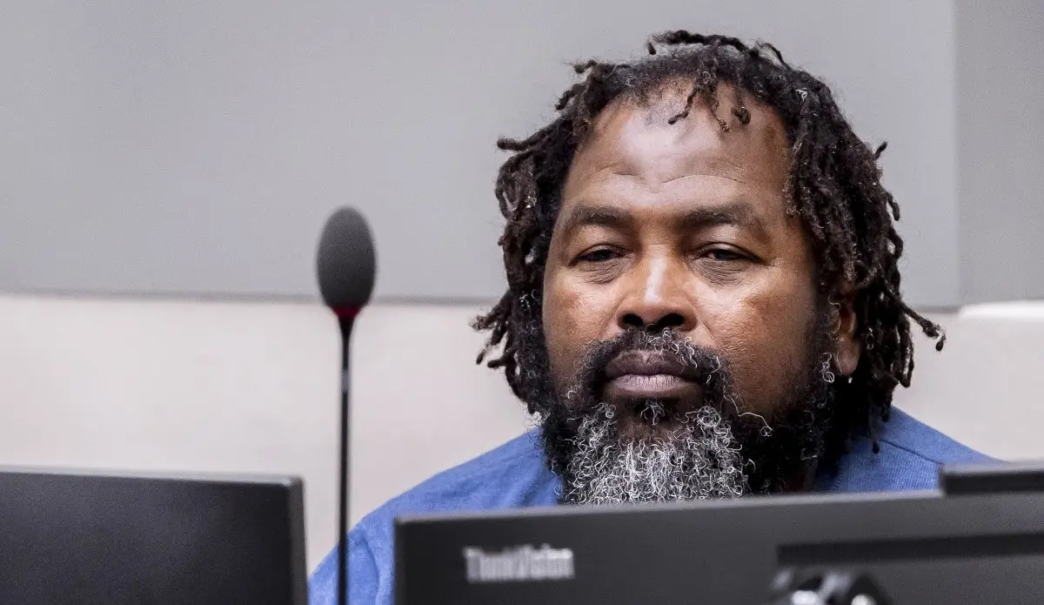
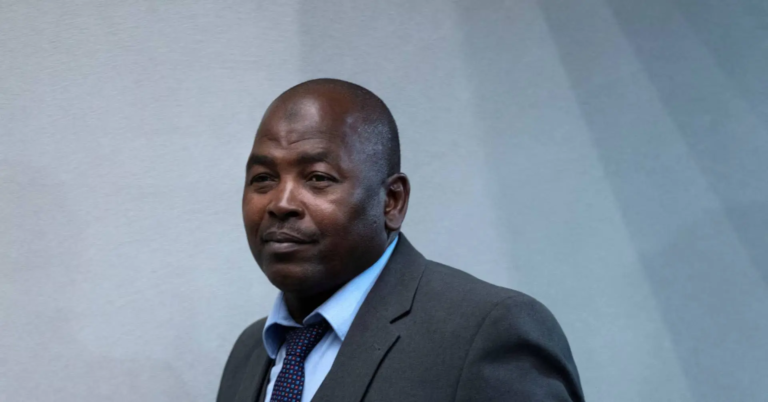
The International Criminal Court (ICC) has convicted former Central African Republic rebel commander Mahamat Said Abdel Kani on four counts of crimes against humanity, including torture and unlawful imprisonment.
The court found that Said, 56, oversaw the beating and mistreatment of detainees while running a feared detention centre in the capital, Bangui, as the country descended into civil war in 2013.
Said was also acquitted of three war crimes charges. The ICC will determine his sentence at a later date.
Presiding Judge Miatta Maria Samba said Said was involved in interrogating and mistreating detainees and was present when some of them were tortured.
The court found that Said ran the Central Office for the Repression of Banditry (OCRB) detention centre, where prisoners were subjected to torture and severe deprivation.
One method of torture identified by the court was “arbatachar”, in which detainees’ hands, elbows and feet were tightly bound behind their backs.
Other prisoners were beaten with ropes and whips and sprayed with water, according to the ruling.
Said also kept some detainees in a cramped underground cell beneath his office that had no sanitary facilities.
Judge Samba said detainees had to urinate and defecate inside the cell, which was dark, dirty, poorly ventilated and filled with waste, with a strong smell of faeces and urine.
The court recognised the lasting trauma suffered by victims, including the impact of the mistreatment on their families and lives.
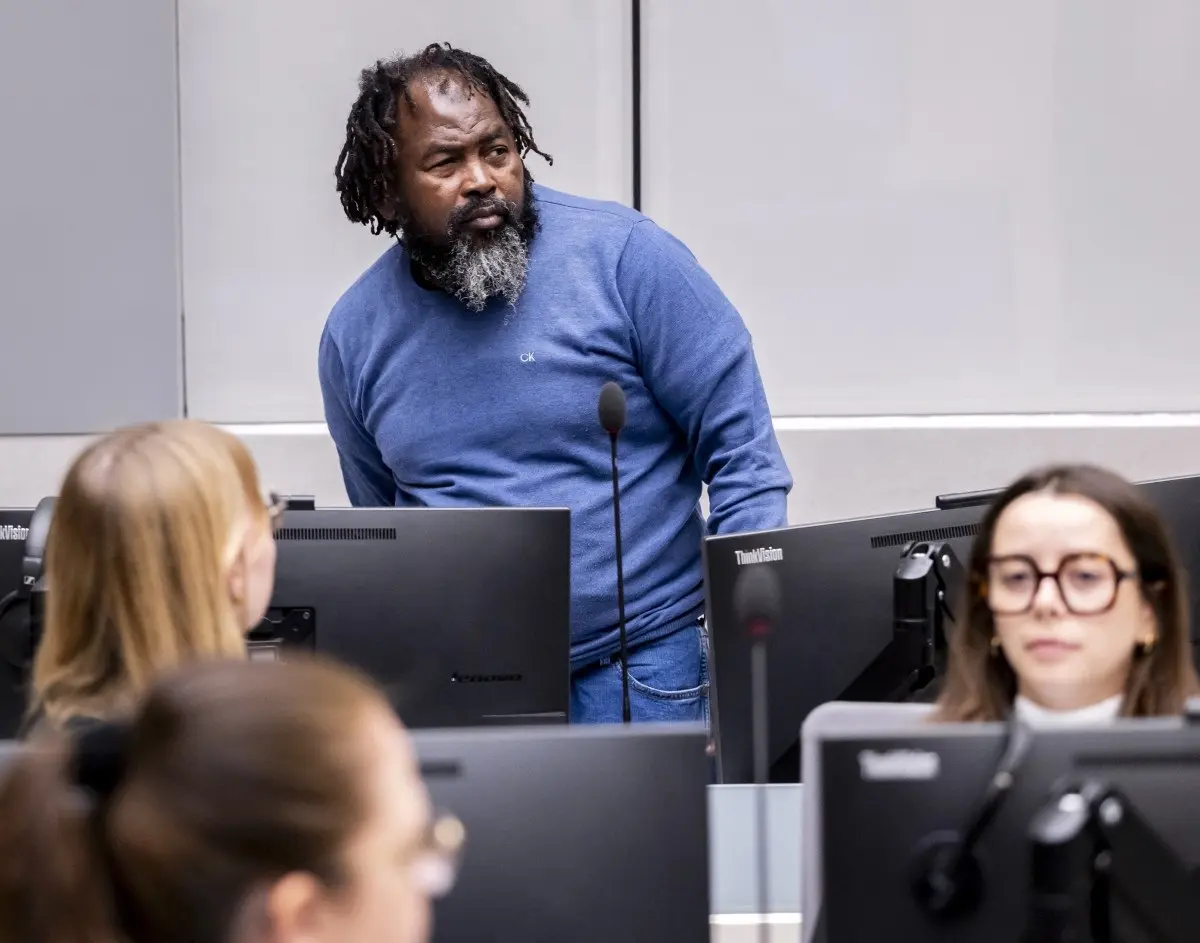
Samba cited one victim who said the experience had left him completely unbalanced and destroyed his life.
During Wednesday’s hearing, Said, wearing a blue sweatshirt and jeans, repeatedly shook his head as the judge read details of the findings.
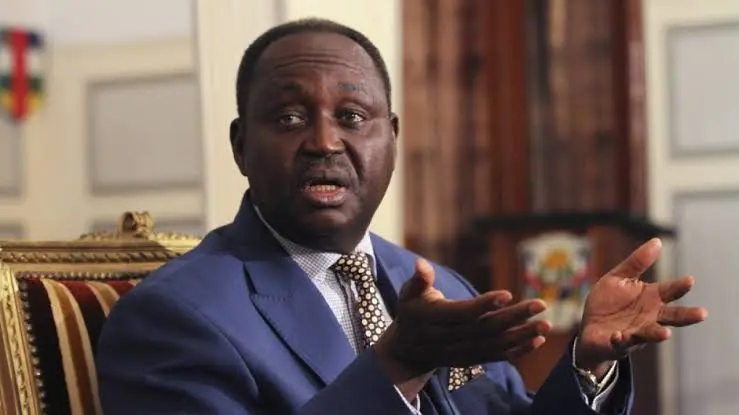
Said was a senior commander of the mainly Muslim Seleka rebel group, which overthrew then-President Francois Bozize and helped trigger a sectarian conflict in the Central African Republic.
The Seleka takeover plunged the country, which has a population of about five million, into a devastating civil war that killed thousands of civilians, with war crimes also alleged against both sides.
After Bozize was ousted, he backed militias made up largely of Christians and animists known as anti-Balaka forces in an effort to regain power.
French troops operating under a United Nations mandate helped government forces regain control of major cities from 2014.
The country later stabilised following a peace agreement reached in Khartoum in 2019.
President Faustin-Archange Touadera has since won three terms in office, highlighting his efforts to restore stability after decades of conflict.
The ICC convicted two senior anti-Balaka figures last year. Former sports minister Patrice-Edouard Ngaissona was described as a senior anti-Balaka leader, while former lawmaker Alfred Yekatom was a field commander.
Read More : Five Abducted Teachers Released in Cameroon
Yekatom was sentenced to 15 years in prison for 20 war crimes and crimes against humanity, including murder and torture.
Ngaissona received a 12-year sentence for 28 counts of war crimes and crimes against humanity.
Established in 2002, the ICC is the only independent international court with jurisdiction to prosecute individuals accused of genocide, war crimes, crimes against humanity and aggression.