Trending


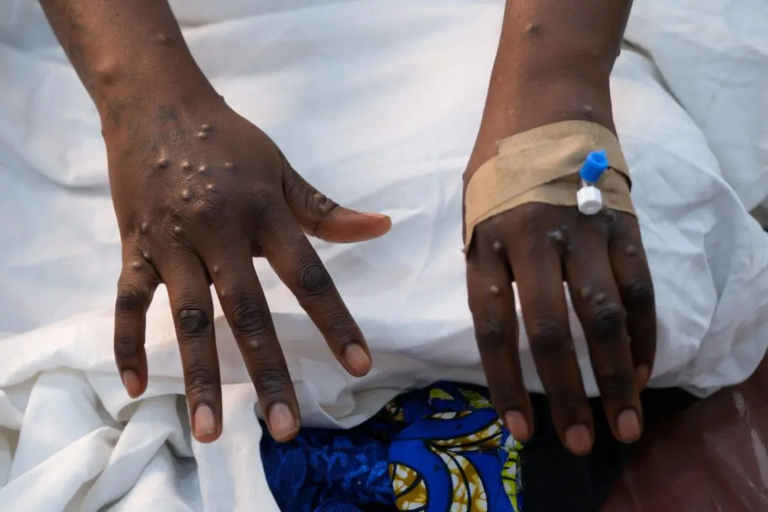
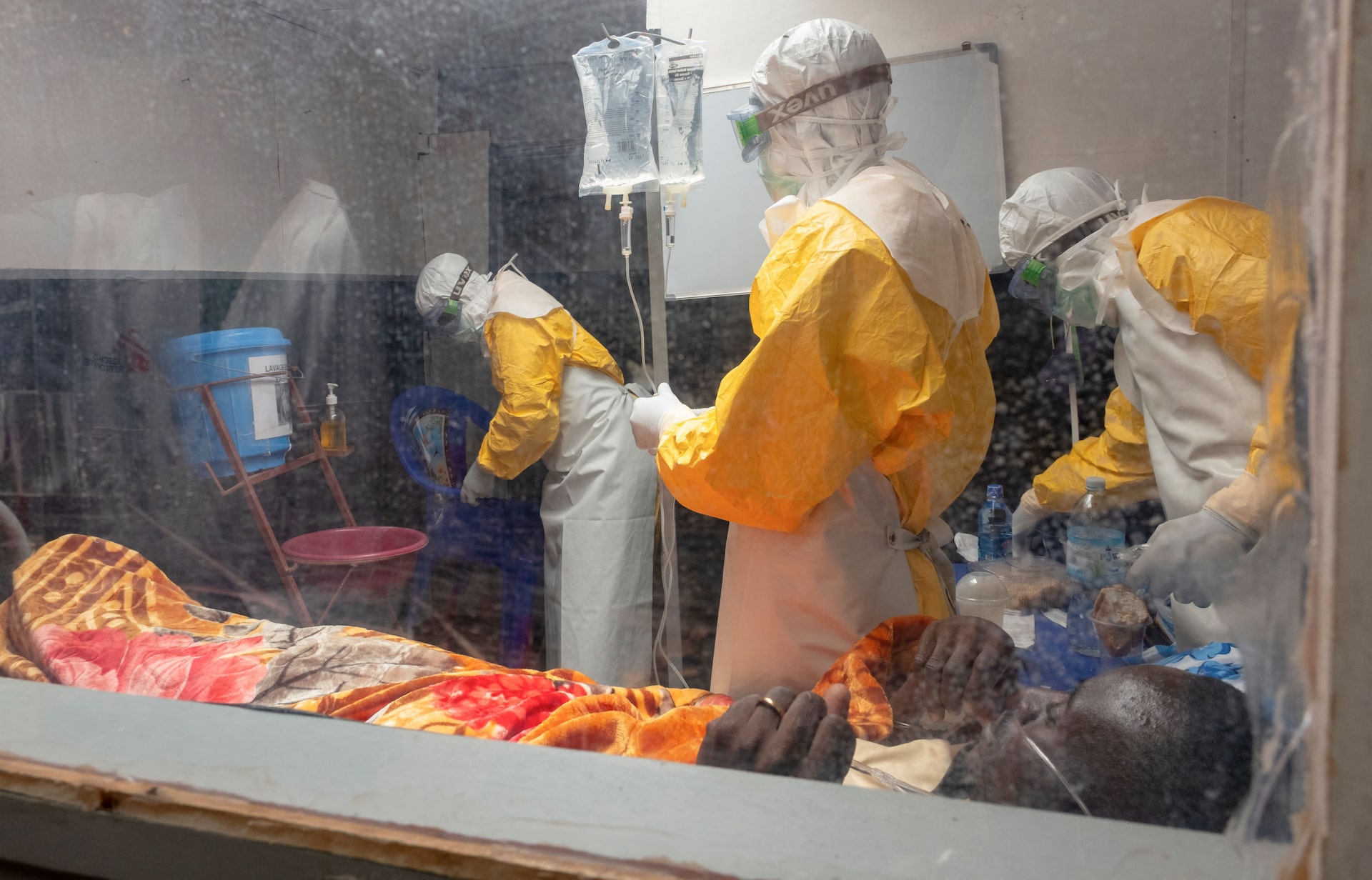
Inside the Kitatumba Ebola treatment centre in Butembo, a commercial hub of two million people, medical staff in full protective gear rush past overflowing wards where all 29 beds remain occupied.
Outside, desperate families search for space as a severe surge in cases overwhelms health facilities across the Democratic Republic of Congo’s North Kivu province.
Stephanie Hoffmann, project coordinator for Médecins Sans Frontières (MSF), noted that workers have seen a very sharp increase in admissions, leaving some individuals who know they have Ebola unable to find an open bed.
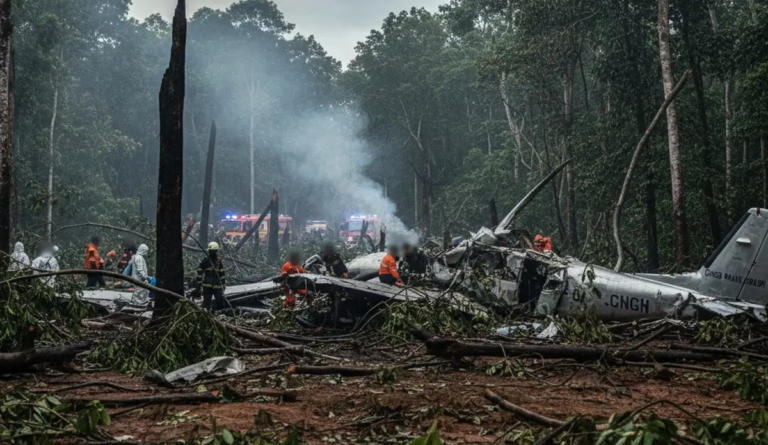
Read More : DR Congo Plane Crash Kills 17
While health authorities report stabilising transmission in neighbouring Ituri province, the outbreak is rapidly migrating across eastern Congo. Government data reflects a devastating toll, with Congo recording 7,820 confirmed cases and 3,779 deaths nationwide.
North Kivu now accounts for roughly one-third of all new infections and deaths, with a regional mortality rate climbing to 60 percent—significantly higher than the national average of 48 per cent.

Early Symptoms
Anthony Kergosien, MSF’s emergency coordinator in Congo, warned that assuming the outbreak is under control because certain treatment centres admit fewer patients would be a mistake, emphasising that the virus is not shrinking but moving.
The surge involves the rarer Bundibugyo species of the virus, which presents distinct medical and operational hurdles compared to past outbreaks.
Early symptoms often mimic common illnesses like malaria and typhoid fever, prompting patients to delay seeking care until the disease reaches advanced stages.
Furthermore, unlike the Zaire species responsible for the 2018–2020 outbreak, no approved vaccines or targeted treatments exist for the Bundibugyo strain.
Pepin Kavota, a civil society coordinator in nearby Beni, explained that residents remember the 2018 outbreak and frequently question why vaccines and treatments existed then but remain unavailable today.
This lack of medical countermeasures, compounded by lingering trauma and past misconduct from foreign response teams, has fuelled deep-seated public mistrust and denial.
Resisting Containment Efforts
Many residents avoid medical facilities altogether, while others actively resist containment efforts.
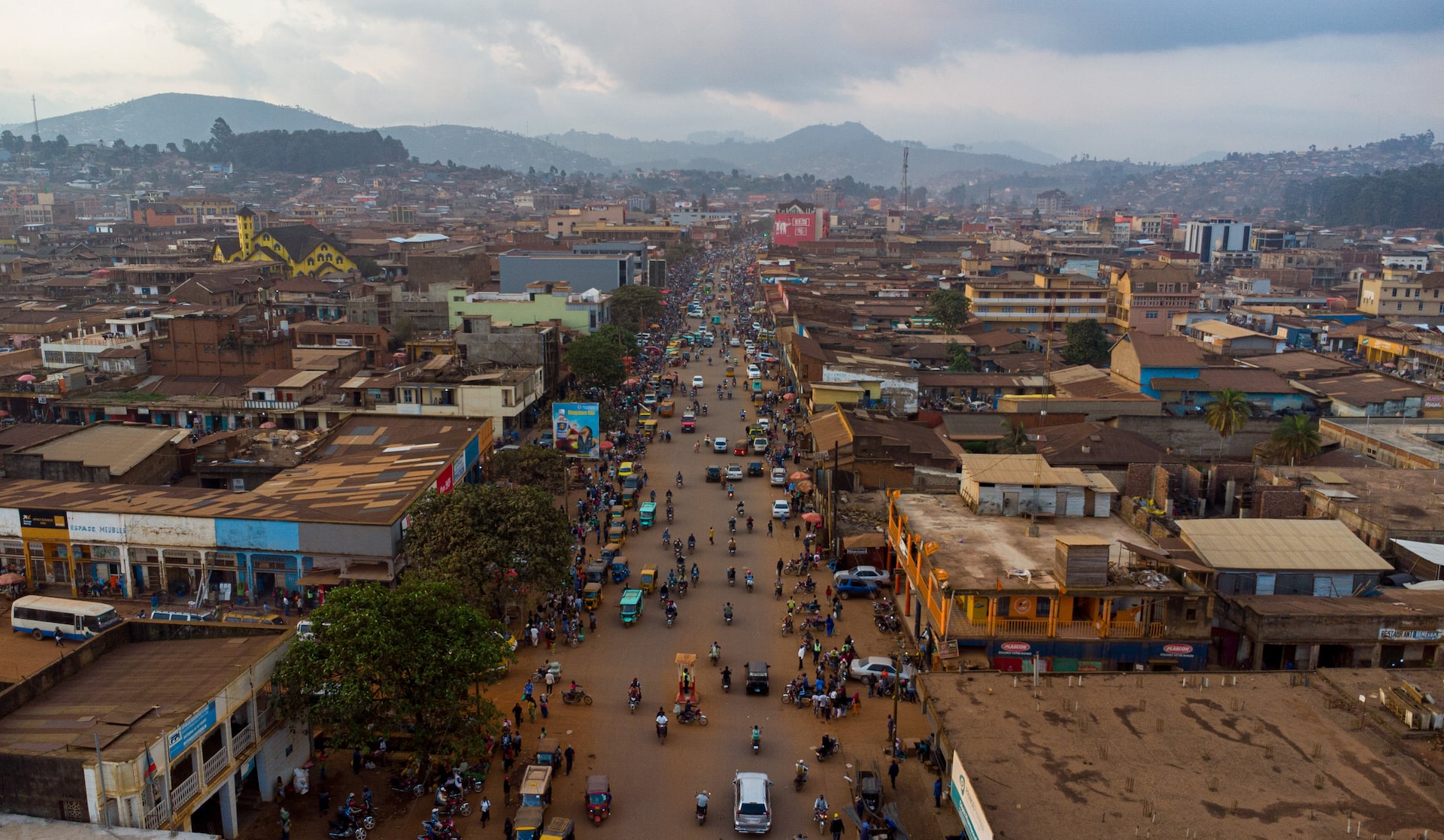
Dr Michel Paluku Mukuloli, a hospital physician in Butembo, observed that patients often believe that arriving at a hospital guarantees they will be sent straight to a treatment centre to die.
Consequently, frightened community members have violently targeted responders, physically attacking safe burial crews and setting fire to health posts, which destroys vital medical equipment and drives infected patients back into the population.
In an effort to maintain order, provincial authorities recently deployed pro-government Wazalendo fighters to protect health workers and enforce sanitary protocols at armed checkpoints.
However, local medical leaders caution that coercive enforcement could backfire.
Pablo Paluku Lwanzo, the head doctor in the Butembo health zone, stressed that health authorities should not need to rely on the police or the military, maintaining that the population must be sensitised so that residents willingly adopt protective measures.
As the virus expands into its seventh province, responders continue partnering with traditional, religious, and civic leaders to rebuild community trust and expand treatment capacity before the crisis deepens further.